
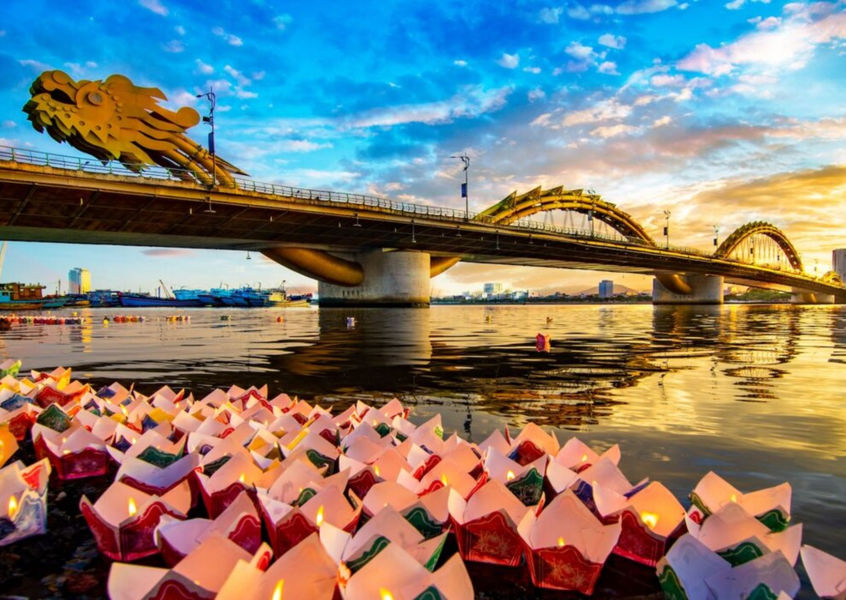
Da Nang sits at the heart of Central Vietnam, offering golden beaches, mountain jungle, and ancient culture that converge in less than an hour’s drive. But ask any experienced travel planner when to book, and they’ll tell you: timing your Da Nang trip correctly makes all the difference between a perfect getaway and a rain-soaked itinerary.
March to May is the sweet spot with warm, dry weather and before the summer surge in prices. But the best time truly depends on what you’re coming for. This guide answers the question “When is the best time to visit Da Nang Vietnam”, with honest advice for beach lovers, festival seekers, budget travelers, and Indian FIT travelers planning their first Vietnam holiday.
1. Da Nang’s climate at a glance
Da Nang, located on Vietnam’s central coast at approximately 16°N latitude, experiences a tropical monsoon climate with two sharply defined seasons: a dry season and a rainy season. Unlike northern Vietnam (Hanoi) or southern Vietnam (Ho Chi Minh City), Da Nang’s seasonal calendar is distinctly its own.
| Season | Months | Temperature | Rainfall | Crowd Level |
| Dry Season | March – August | 25°C – 35°C (77°F – 95°F) | Low to minimal | High (peak: June–Aug) |
| Rainy Season | September – February | 18°C – 28°C (64°F – 82°F) | High (peak: Oct–Nov) | Low to moderate |
The dry season delivers clear skies, calm seas, and the energy of a full resort city operating at its best. The rainy season brings typhoon risk and heavy downpours from October to November, though January and February are surprisingly pleasant, with cooler, drier, and quieter weather than most travelers expect.
2. Month-by-month weather breakdown
Understanding Da Nang’s weather month by month helps travel agents and independent travelers schedule with precision, not guesswork.
| Month | Avg. Temp | Rain Days | Sea Condition | Traveler Suitability |
| January | 20–24°C | 10–12 days | Rough | Budget travel, city exploration |
| February | 21–26°C | 6–8 days | Calming | Shoulder season, post-Tet charm |
| March | 23–28°C | 5–6 days | Calm | Best overall |
| April | 26–31°C | 4–5 days | Calm | Beach season opens |
| May | 28–33°C | 5–6 days | Calm | Pre-festival period |
| June | 29–35°C | 5–6 days | Calm | DIFF Fireworks Festival |
| July | 29–35°C | 5–6 days | Calm | Peak season, highest prices |
| August | 28–34°C | 6–7 days | Slightly choppy | Hot, early typhoon risk |
| September | 27–31°C | 14–16 days | Rough | Rainy season begins |
| October | 24–27°C | 18–20 days | Very rough | Wettest month, typhoon risk |
| November | 22–26°C | 16–18 days | Rough | Heavy rain continues |
| December | 20–24°C | 12–14 days | Calming | Off-season, cultural travel |
3. Best time for beach lovers: March to August
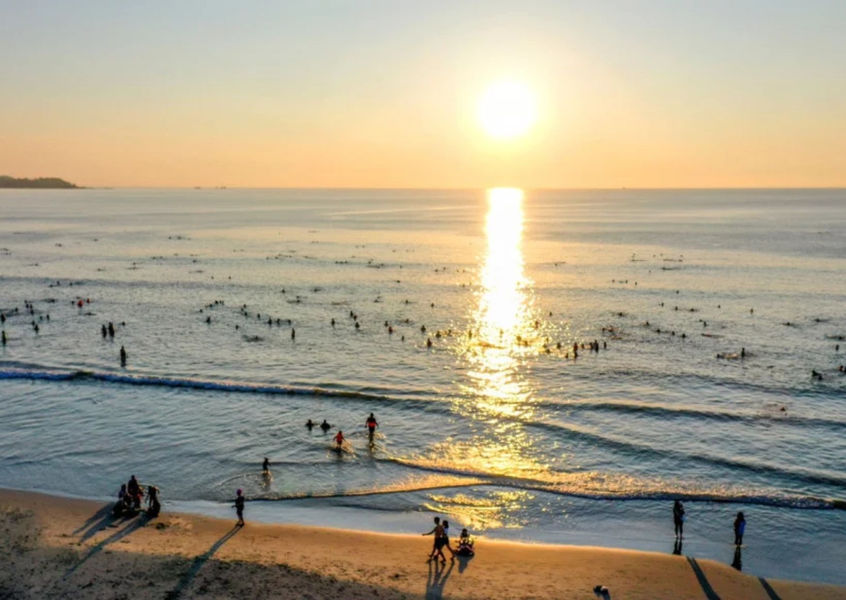
For travelers whose Da Nang itinerary revolves around My Khe Beach, Non Nuoc Beach, and Bac My An Beach, the dry season from March to August delivers exactly what beach holidays are made of: clear skies, calm turquoise water, and comfortable conditions for swimming and water sports.
March to May is the most balanced window. Temperatures sit between 23°C and 31°C, sea conditions are calm, and the beaches have not yet reached peak-season saturation. Snorkeling off Son Tra Peninsula, paddleboarding along My Khe, or simply spending a full day on the sand. All of these are at their best during this period.
June to August marks the true summer peak in Da Nang. Temperatures regularly hit 33–35°C, the sun is relentless, and the city buzzes with Vietnamese domestic tourists and international visitors alike. Hotels raise rates by 40–60% compared to shoulder months, and beachfront properties book out weeks in advance. If you plan to travel during this window, reservations should be locked in at least three to four months ahead.
A practical note: August marks the beginning of Da Nang’s typhoon exposure. While actual typhoon landfalls are infrequent, the probability increases from late August onward. Travel agencies managing group departures during this month should build contingency days into the itinerary.
4. Best time for the Da Nang International Fireworks Festival (DIFF)
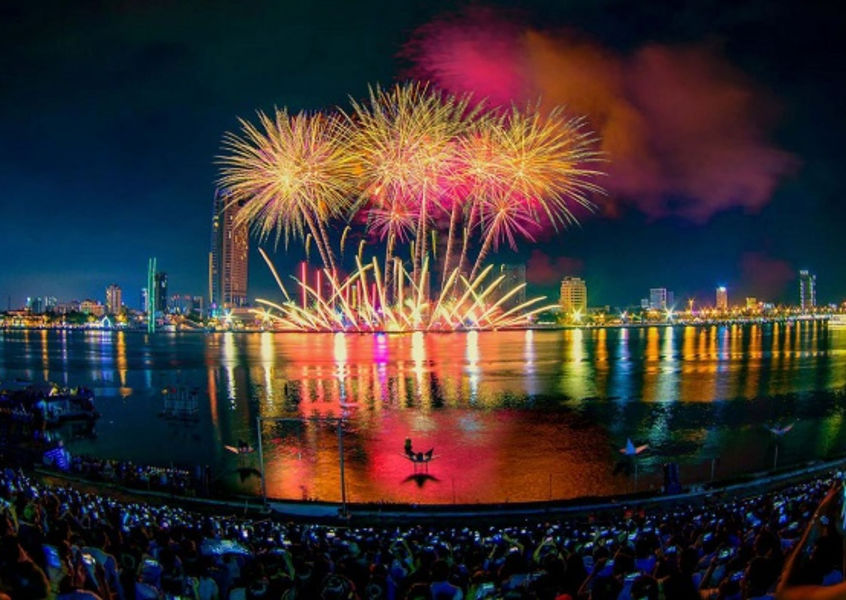
The Da Nang International Fireworks Festival (DIFF) is one of Southeast Asia’s most spectacular annual events. This is a competition where world-class pyrotechnic teams from 8 to 10 countries battle across the Han River sky in a program that combines music, narrative, and light.
DIFF 2026 runs from May 30 to July 11, 2026, themed “Da Nang – United Horizons.” The festival features 10 teams from Vietnam, China, France, Japan, Italy, Germany, Macau, Australia, and Portugal, competing across six Saturday nights starting at 20:00. The final showdown is scheduled for July 11, 2026, along the Han River Port area and Tran Hung Dao Street grandstand.
Travel planning advice for DIFF seasons:
- Book hotels in central Da Nang (near Han River or My Khe) at least 2 months before the festival opens.
- Riverside and rooftop venues offer viewing alternatives to the main grandstand.
- The quietest competition nights are typically the opening and closing; middle rounds attract the most seasoned festival crowds.
- Day trips to Hoi An (30 km south) or Ba Na Hills provide contrast activities between competition evenings.
5. Best time for budget travelers: January-February and September
Traveling to Da Nang on a tighter budget opens up two distinct windows:
- January and February sit at the tail end of the rainy season. Rainfall has significantly decreased by this point, temperatures are mild (20–26°C), and hotels offer their lowest rates of the year. The sea is too rough for safe swimming at most beaches, but this period suits cultural itineraries well such as visits to Marble Mountains, the Museum of Cham Sculpture, Lady Buddha Statue at Linh Ung Pagoda, and day trips to Hue (90 km north) or Hoi An (30 km south).
- September offers a narrow budget-friendly window just as the high season closes. Crowds have thinned considerably, hotel rates drop, and the first weeks of September can still deliver decent beach weather before the rainy season intensifies.
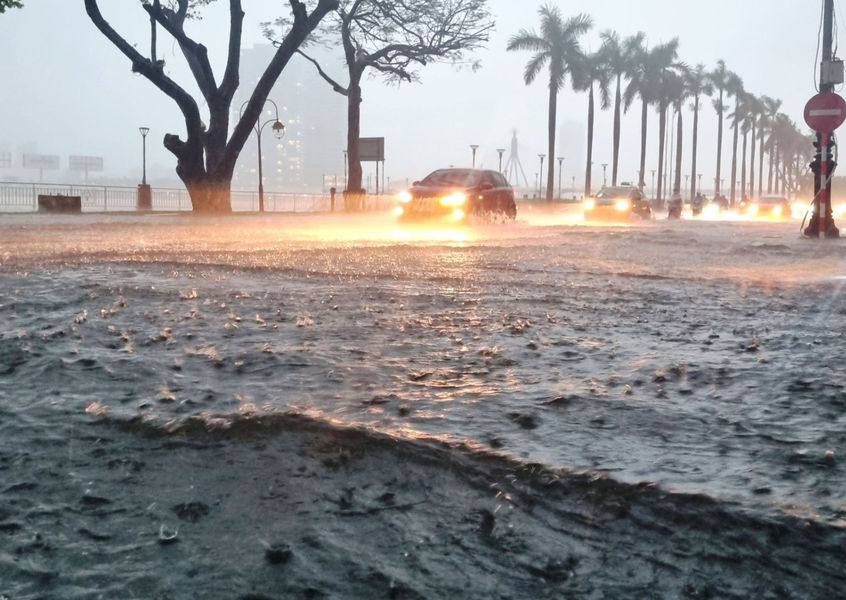
What to avoid: October and November are the two wettest months of the year in Central Vietnam. Typhoons are most frequent during this window. Travelers who arrive in late October risk extended disruptions to flight schedules and outdoor plans. Regional flooding, while not certain, is historically associated with these months in and around Da Nang.
6. Best time to visit Da Nang for Indian travelers
Indian travelers, particularly those arriving on direct flights from Delhi, Mumbai, Kolkata, Bangalore, or Chennai, have specific seasonal preferences that differ from Western tourist patterns.
March to May aligns well with Indian school vacation windows and is increasingly popular with Indian FIT couples and families. The weather is hot but not unbearably so by Indian standards, and prices remain reasonable before the June–July peak. Vegetarian food availability is excellent in this period, as Da Nang’s beachfront restaurant scene is fully operational and increasingly aware of dietary preferences from the Indian subcontinent.
October to December (Diwali / year-end holidays) is where Indian group travel traditionally concentrates. Unfortunately, this window overlaps with Da Nang’s rainiest months. Travel agents booking Indian group tours to Da Nang during this period should plan itineraries that front-load outdoor activities (beaches, Ba Na Hills) in the first days, with indoor and cultural activities (Marble Mountains interiors, cooking classes, and city tours) held in reserve for rainy afternoons. Hoi An Ancient Town, while occasionally flooded in November, is often manageable and atmospherically beautiful in light rain.

Key considerations for Indian travelers planning Da Nang:
- Visa: Indian passport holders require an e-Visa for Vietnam (apply at evisa.immigration.gov.vn), processing typically within 3 business days
- Flights: Direct routes from India to Da Nang operate seasonally; connections via Hanoi (HAN), Ho Chi Minh City (SGN), or Kuala Lumpur (KUL) are more consistent year-round
- Food: Vegetarian options are readily available at most mid-range and luxury hotels; Indian restaurants are concentrated near My Khe Beach and in the Han River area
- Heat tolerance: Indian travelers from warmer regions (Chennai, Hyderabad, Ahmedabad) generally adapt well to Da Nang’s summer heat; visitors from cooler climates (Shimla, Dehradun, Darjeeling) may prefer March–April conditions
7. What to pack for Da Nang by season
Packing light and packing right are equally important in Da Nang’s variable climate.
Dry season (March – August): Light cotton or linen clothing is ideal for the heat. Sunscreen with SPF 50+ is strongly recommended because beach UV levels in Central Vietnam are high between 10:00 and 15:00. A wide-brim hat, UV-protection sunglasses, and a refillable water bottle should be standard inclusions. For evenings at rooftop bars or riverside restaurants, a light layer suffices.
Rainy season (September – February): A compact waterproof jacket or packable rain poncho is essential, particularly in October and November. Quick-drying clothes reduce discomfort during sudden afternoon showers. Waterproof sandals or shoes with grip are recommended for wet marble temple steps and wet market alleys. A small dry bag protects electronics and documents from unexpected downpours.
8. Practical planning tips for Da Nang

Book accommodation early for peak months. Da Nang’s best beachfront properties, from five-star resorts at Non Nuoc Beach to mid-range serviced apartments along My Khe sell out quickly during DIFF season and Vietnamese school holidays (late June to mid-August). Three to four months’ advance booking is the minimum for premium rooms.
Build in a Hoi An day trip regardless of season. Hoi An Ancient Town is 30 km from Da Nang city center (approximately 45–60 minutes by private car) and functions as a complementary destination across all seasons. The lantern-lit ancient town is particularly atmospheric in the evening; Da Nang-based travelers routinely combine a morning beach session with an afternoon Hoi An walking tour.
Consider the extended Central Vietnam circuit. Da Nang serves as the natural hub for a Central Vietnam itinerary that connects Hue (Imperial Citadel, royal tombs, and Perfume River boat trip) to the north and Hoi An (Ancient Town and My Son Sanctuary) to the south. This circuit covers three UNESCO-related sites in a single trip and is one of Vietnam’s most requested itineraries for Indian cultural travelers.
For B2B travel partners: Viet Dan Travel operates as a specialist DMC across all Central Vietnam destinations and provides private vehicle transfers between Da Nang, Hoi An, and Hue with English, Hindi, and multilingual guide options. Group itineraries for Indian travel agencies can be fully customized by season.
9. FAQs
What is the absolute best month to visit Da Nang?
March or April. Both months fall within the dry season but before the intense summer heat of July and August. Temperatures are comfortable (23–31°C), rainfall is minimal, beaches are calm, and hotel prices have not yet hit peak-season levels. If you can only pick one month, March offers the most balanced conditions across weather, crowds, and value.
Is Da Nang worth visiting in the rainy season?
Yes, with adjusted expectations. October and November are genuinely challenging for outdoor-focused trips. Typhoon risk is real and rainfall heavy. But January, February, and early September can be very pleasant for travelers interested in culture, food, and indoor experiences. Hotel rates in the rainy season are significantly lower, and popular attractions like Marble Mountains and the Museum of Cham Sculpture are far less crowded.
When does the Da Nang International Fireworks Festival happen?
DIFF takes place annually in late May through mid-July. DIFF 2026 runs from May 30 to July 11, 2026, with six competition nights across the Han River. Check the official schedule at diff.vn for ticketing and grandstand seat availability.
Is Da Nang suitable for Indian vegetarian travelers?
Da Nang has improved its vegetarian and vegan food scene considerably in recent years. Most luxury and mid-range hotels can accommodate vegetarian dietary requests with advance notice. Dedicated vegetarian-friendly restaurants are available near the beach strip and Han River area. Indian restaurants serving North and South Indian cuisine operate year-round in the city.
What is the weather like in Da Nang in December and January?
Both months are mild (20–24°C) and relatively dry compared to October and November. Rainfall is lower, the seas begin to calm, and the city has a quieter, more local atmosphere. These months suit city exploration and cultural travel more than beach holidays. January marks the beginning of the Tet preparation period in Vietnam, which brings a festive energy to local markets and street food scenes.
How far is Da Nang from Hoi An, and can they be combined?
Da Nang and Hoi An are 30 km apart, approximately 45 to 60 minutes by private transfer. They are almost universally combined in Central Vietnam itineraries. Most travelers base themselves in Da Nang for beach access and spend one or two full days in Hoi An for the Ancient Town, My Son Sanctuary, and local cooking classes.
Can Indian citizens get a visa for Vietnam easily?
Yes, Indian passport holders can apply for an e-visa for Vietnam at the official portal. The e-visa is valid for 90 days with single or multiple entry options and typically processes within 3 business days. No embassy visit is required.
Viet Dan Travel is a Vietnam B2B DMC specializing in private and luxury tour programs across Da Nang, Hoi An, Hue, and the broader Central Vietnam circuit. We work directly with travel agencies, tour operators, and MICE coordinators to design itineraries calibrated to your group’s travel window, preferences, and budget.
Whether your clients are planning a beach escape during peak fireworks season or a quieter cultural journey in the shoulder months, our team provides ground-level expertise, vetted accommodation partnerships, and private transfers with multilingual guides, including Hindi-speaking guides for Indian travel groups.