
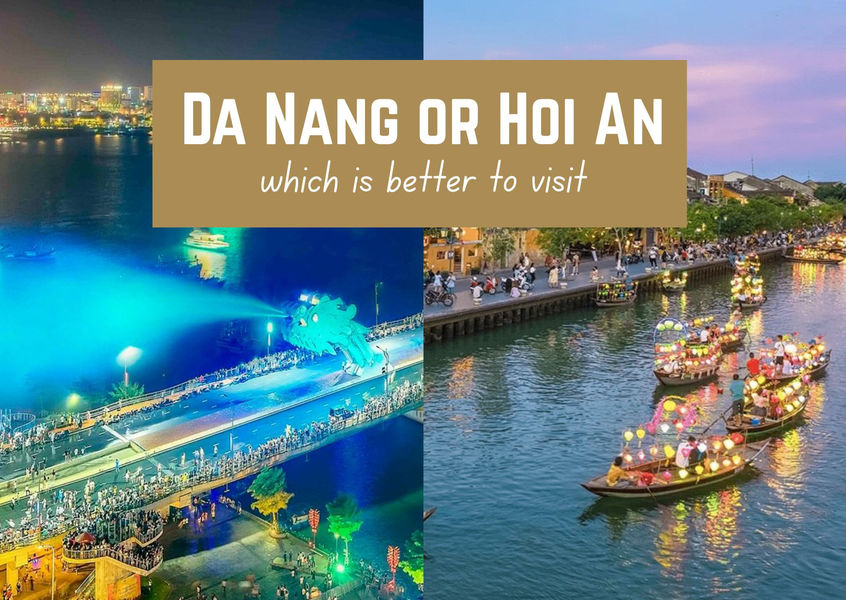
Every year, thousands of travelers planning a Central Vietnam trip arrive at the same crossroads: Hoi An or Da Nang? It is one of the most common questions fielded by destination management companies operating in the region. And the honest answer is rarely a simple one because Hoi An and Da Nang are not interchangeable alternatives. They are two entirely different experiences separated by just 30 kilometers of coastal highway.
This guide offers a ground-level comparison from the perspective of a B2B travel specialist. At Viet Dan Travel, we work with tour operators and travel agencies to design private itineraries across Central Vietnam year-round. What follows reflects what we know from building hundreds of those itineraries, not from a single visit.
1. Hoi An and Da Nang at a glance
Hoi An is a UNESCO World Heritage-listed ancient town situated in Quang Nam Province, approximately 30 kilometers south of Da Nang city center. Its historic trading port, which was active from the 15th to the 19th century, is remarkably preserved, giving the town a layered character that is part living museum, part artisan village. Hoi An’s population is around 150,000, but its ancient core is compact, pedestrian-friendly, and unmistakably oriented toward cultural tourism.
Da Nang is Central Vietnam’s largest city, with an urban population of approximately 1.25 million people as of 2024. It is the region’s commercial and transport hub, home to Da Nang International Airport (DAD), and a rapidly modernizing coastal metropolis that has emerged as one of Vietnam’s top domestic tourism destinations. Da Nang offers 30 kilometers of continuous beachfront, a developing fine dining scene, and a range of luxury resorts that rival any in Southeast Asia.
| Feature | Hoi An | Da Nang |
| Character | Historic, atmospheric, slow-paced | Modern, energetic, cosmopolitan |
| UNESCO Status | World Heritage Site (1999) | No (but houses Museum of Cham Sculpture) |
| Size | Small town (~150,000 residents) | Major city (~1.25 million residents) |
| Best for | Culture, romance, heritage, tailoring | Beaches, adventure, luxury resorts, nightlife |
2. Key Differences Between Hoi An and Da Nang
2.1. Atmosphere and Character
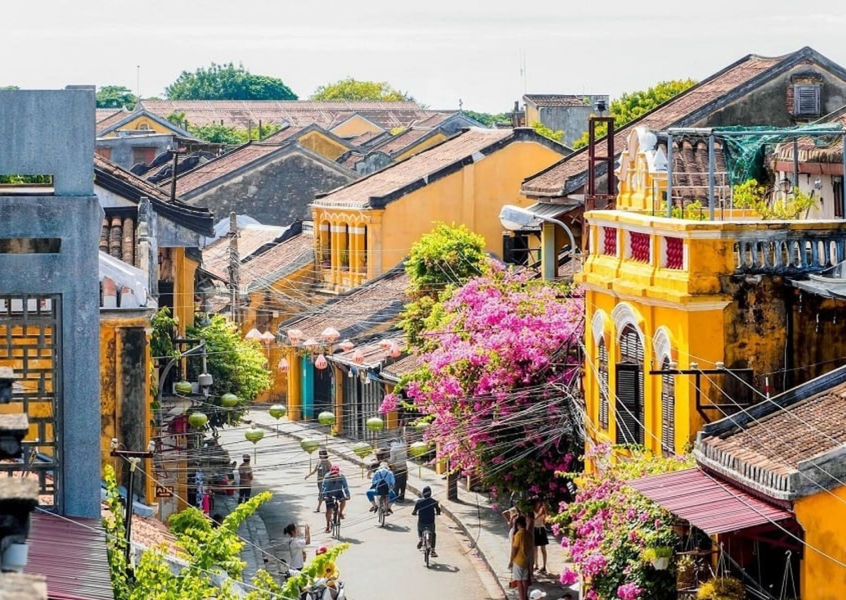
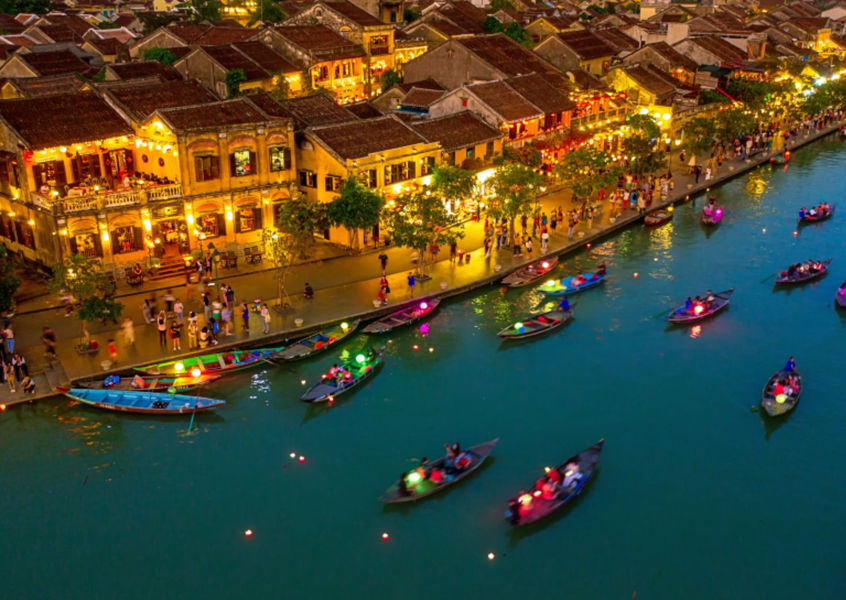
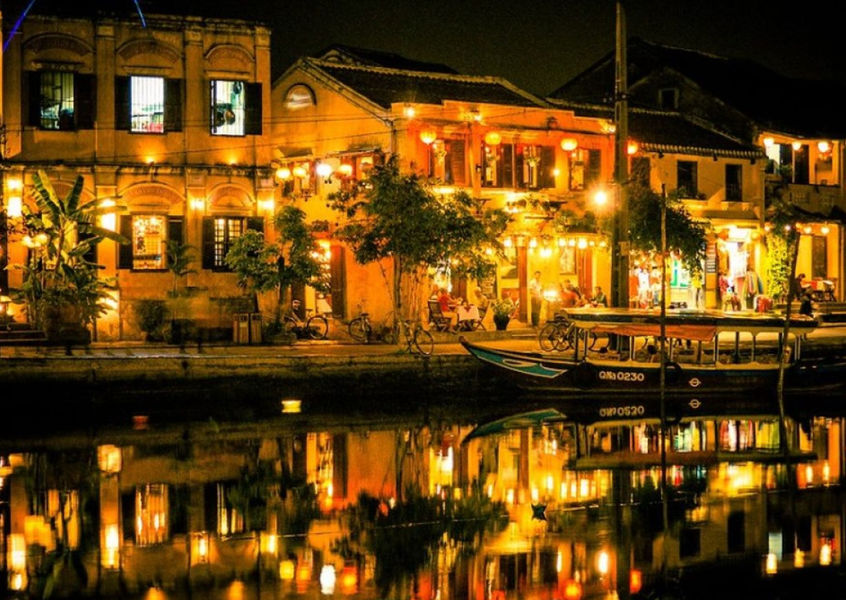
Hoi An Ancient Town is one of the most visually cohesive heritage districts in Southeast Asia. Its signature yellow-painted merchant houses, Chinese assembly halls, and the iconic Japanese Covered Bridge (Cầu Nhật Bản, built in the early 17th century) create a streetscape that has changed little in two centuries. After sunset, the old town is illuminated by thousands of silk lanterns, making evening walks a distinctly cinematic experience.
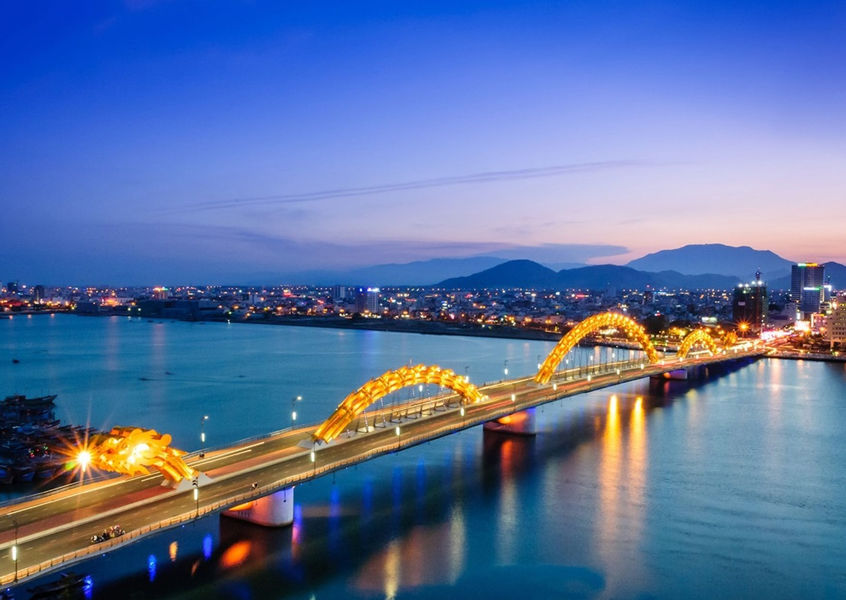
Da Nang reads differently. It is a functioning Vietnamese city with wide boulevards, riverside promenades, and a skyline of contemporary hotels and bridges, including the Dragon Bridge (Cầu Rồng), which breathes actual fire and water on weekend nights. Da Nang is not trying to recreate the past; it is building its own future as a beach city with serious culinary and cultural ambitions. In 2025, the Michelin Guide recognized Da Nang as one of the world’s top 10 most exciting culinary destinations, a designation that signals how quickly the city has matured.
The key distinction: Hoi An invites you to step back in time while Da Nang invites you to live well in the present.
2.2. Beaches
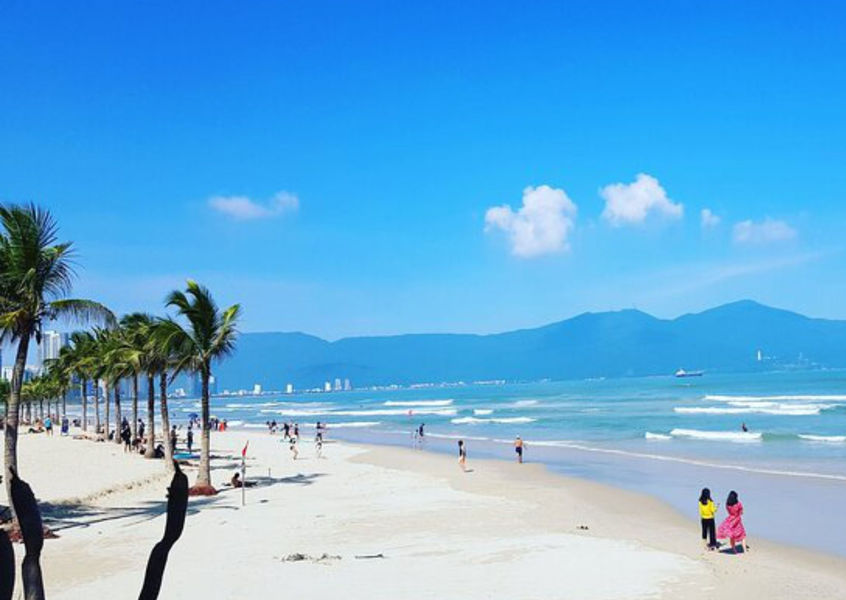
Da Nang has the stronger beach infrastructure of the two cities. My Khe Beach stretches for approximately 30 kilometers along Da Nang’s eastern edge, with consistently clean sand, lifeguard services, beachfront clubs, and direct access from the city center. Additional beaches including Non Nuoc Beach (8 km southeast) and the Son Tra Peninsula coastline offer quieter alternatives within the same city.
Hoi An has two main beaches: An Bang Beach and Cua Dai Beach. These two beaches are located approximately 4–5 kilometers from the ancient town, requiring a short motorbike or bicycle ride. An Bang, in particular, has developed a loyal following for its laid-back beach bar culture and relative lack of high-rise development. These are not party beaches; they are places to settle in for an afternoon.
Verdict on beaches: Da Nang wins on scale, infrastructure, and convenience. Hoi An wins on character and quietude.
2.3. Attractions and Experiences
Hoi An’s primary draw is the Ancient Town itself, but the surrounding area offers genuine depth. Key attractions in and around Hoi An include:
- Hoi An Ancient Town (Phố Cổ Hội An): The UNESCO-listed core, covering the Japanese Covered Bridge, Phung Hung Old House, Fukian (Fujian) Assembly Hall, Tan Ky Old House, and the Hoi An Museum. Entry to the ancient town heritage site cluster costs 120,000 VND (approximately USD 5 / ₹420) per person as of 2025.
- My Son Sanctuary: A Cham Hindu temple complex dating to the 4th century, located 40 kilometers from Hoi An, one of only two UNESCO World Heritage Sites in Central Vietnam.
- Tra Que Vegetable Village: A working organic farming community 3 kilometers from the ancient town, popular for half-day cooking and farming experiences.
- Hoi An Lantern Festival: Held monthly on the full moon, this festival sees the ancient town lit entirely by lanterns, with motor vehicles prohibited.
- Custom tailoring: Hoi An hosts dozens of bespoke tailoring workshops producing made-to-measure clothing in 24–48 hours — a niche that has become a legitimate travel reason in itself.
Da Nang’s signature attractions include:
- Ba Na Hills (Golden Bridge): A French-era hill station at 1,489 metres altitude, home to the internationally famous Golden Bridge, a pedestrian walkway held by two giant stone hands. Located 40 kilometres west of Da Nang city centre.
- Marble Mountains (Ngũ Hành Sơn): Five limestone and marble hills housing Buddhist sanctuaries, caves, and tunnels, located 9 kilometres south of Da Nang city centre.
- Hai Van Pass (Đèo Hải Vân): One of Vietnam’s most scenic mountain passes, connecting Da Nang to Hue. A highlight for private car or motorbike journeys north.
- Son Tra Peninsula: A forested peninsula immediately northeast of Da Nang city, home to the Linh Ung Pagoda (with its 67-metre Lady Buddha statue) and one of Vietnam’s last populations of red-shanked douc langurs.
- Museum of Cham Sculpture (Bảo tàng Điêu khắc Chăm): The world’s largest collection of Cham artefacts, located in the city centre of Da Nang.

For travellers visiting Da Nang between 30 May and 11 July 2026, the city also hosts the Da Nang International Fireworks Festival, one of the largest pyrotechnic events in Southeast Asia. Viet Dan Travel’s Fireworks, Heritage and Culture Danang Tour is a dedicated private program combining festival access with Hoi An heritage and Central Vietnam cultural experiences, designed for groups of 2–20 adults.
2.4. Food Scene
Hoi An’s culinary identity is hyperlocal. Three dishes originated in or are intrinsically associated with Hoi An:
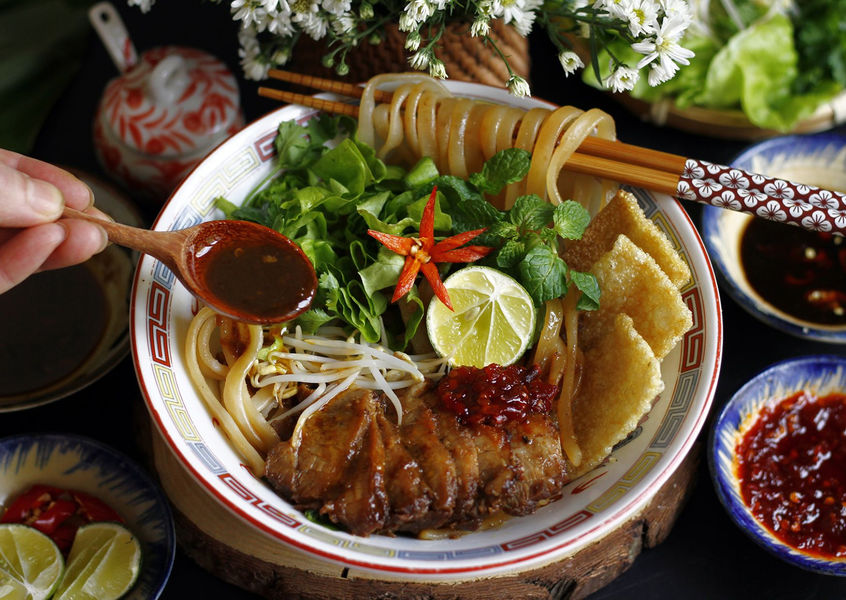
- Cao Lầu: A noodle dish made with pork slices, rice noodles, and local herbs, using water drawn specifically from the Ba Le Well in the ancient town, a dish that cannot be authentically replicated elsewhere.
- White Rose Dumplings (Bánh Bao Bánh Vạc): Delicate steamed shrimp dumplings produced by a single family, sold exclusively through licensed restaurants in Hoi An.
- Bánh Mì Hội An: The Hoi An version of the Vietnamese bánh mì, notable for its unusually crisp baguette and generous herb garnish. Bánh Mì Phượng, located at 2B Phan Châu Trinh Street in Hoi An, has been named by Anthony Bourdain as serving one of the world’s best sandwiches.
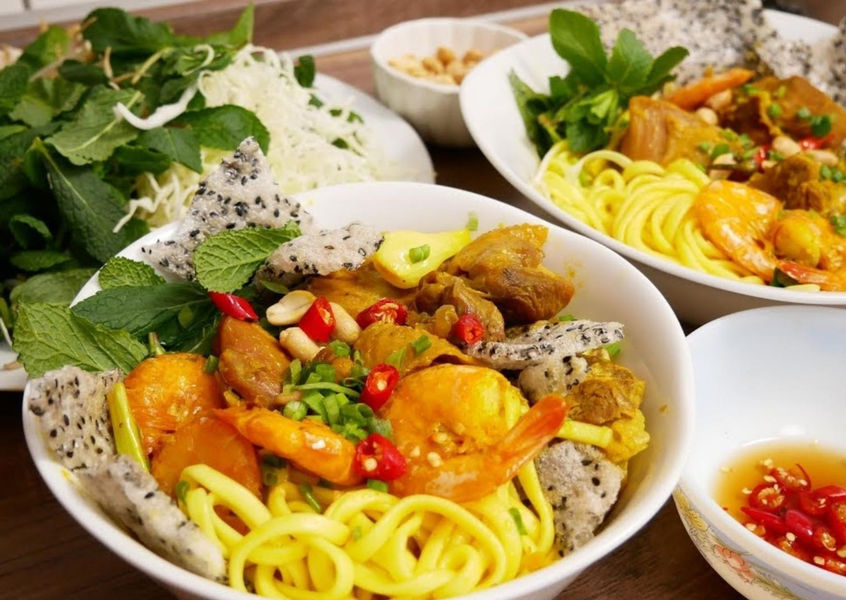
Da Nang’s food scene is anchored by Mì Quảng (turmeric noodles with shrimp and pork), Bún Chả Cá (fish cake noodle soup), and an increasingly sophisticated restaurant landscape along the Han River and beachfront. The Michelin Guide’s 2025 recognition of Da Nang as a top culinary city reflects the arrival of serious restaurants rather than just street food.
2.5. Accommodation
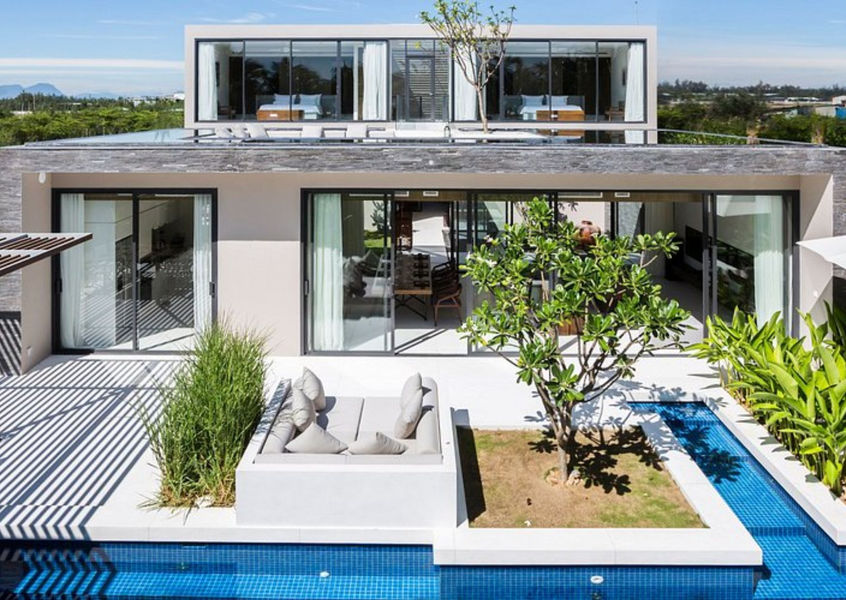
Da Nang offers the widest accommodation range in Central Vietnam, from budget guesthouses at USD 30–50 per night to luxury oceanfront resorts averaging USD 140–250+ per night. Properties including Fusion Maia Da Nang, Naman Retreat, and the InterContinental Danang Sun Peninsula Resort represent the upper tier, offering private beach access, infinity pools, and comprehensive wellness facilities.
Hoi An’s accommodation character skews boutique. Mid-range boutique hotels and riverside villas along the Thu Bon River run USD 40–80 per night during peak season (December–March). The Anantara Hoi An Resort, Four Seasons The Nam Hai, and La Siesta Hoi An represent the premium end, with properties designed around garden courtyards, traditional Vietnamese architecture, and cultural programming.
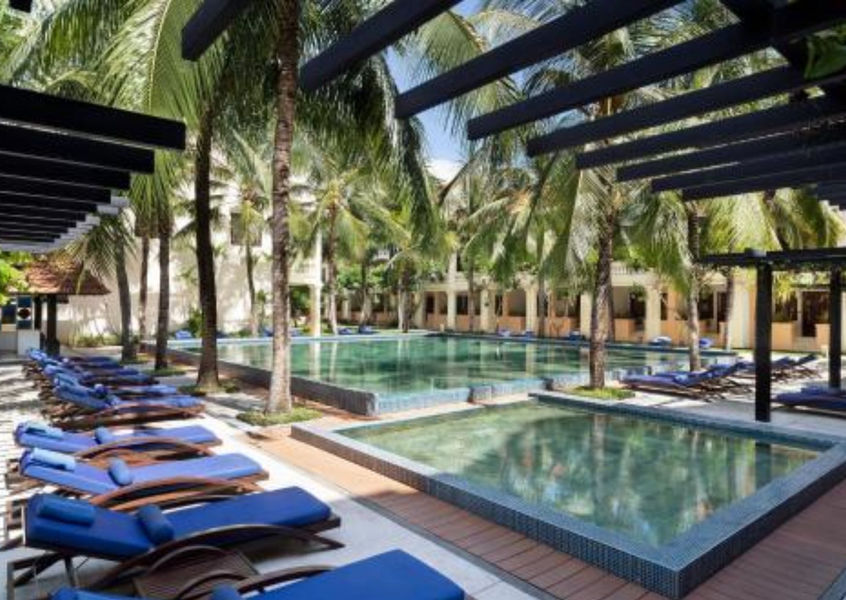
Accommodation verdict: Da Nang is better for travelers who want full-service luxury with direct beach access. Hoi An is better for those who want intimate, character-rich stays embedded within a cultural setting.
2.6. Nightlife and Entertainment
Da Nang has the more developed nightlife infrastructure. An Thuong Street (sometimes called the “foreigner street”) hosts a concentration of bars, restaurants, and live music venues a short distance from My Khe Beach. The Dragon Bridge fire and water show, held at 9 PM on Friday and Saturday nights, is a worthwhile free spectacle.
Hoi An’s evening atmosphere is entirely different. The ancient town limits vehicle access after dark, and the focus is on lantern-lit street wandering, riverside dining, and cultural performances. The Hoi An Memories Show is a large-scale outdoor performance running Tuesday through Sunday evenings at the Hoi An Memories Land complex, depicting the history of the ancient town through music, light, and dance. The show begins at 7:15 PM, and tickets are priced at approximately 400,000–600,000 VND per person.
2.7. Getting Around
Hoi An Ancient Town is compact and best explored on foot or by bicycle. The town center is flat, pedestrian-prioritized, and navigable without a vehicle. For beaches and surrounding countryside, a bicycle or motorbike is preferred.
Da Nang requires more active navigation. Grab (Vietnam’s dominant ride-hailing platform) operates reliably throughout the city, and motorbike rentals are widely available. Da Nang is roughly 15–20 minutes by taxi from its own airport (Da Nang International Airport, IATA: DAD). Hoi An is approximately 45 minutes by private vehicle from the same airport.
3. Hoi An or Da Nang? Our recommendation by traveler type
| Traveller Profile | Our Recommendation | Key Reason |
| First-time visitor to Vietnam | Hoi An + Da Nang (both) | Neither should be missed; budget at least 2 nights per city |
| Couple / Honeymooners | Hoi An | Lantern-lit streets, boutique villas, Thu Bon River sunsets |
| Family with children | Da Nang | Better beach infrastructure, larger hotel facilities, Ba Na Hills appeal |
| Beach-focused traveller | Da Nang | 30 km of My Khe Beach, established beach club scene |
| History / culture traveller | Hoi An | UNESCO Ancient Town, My Son Sanctuary nearby, authentic craft traditions |
| Luxury traveller | Da Nang (resort) + Hoi An (boutique) | Combine InterContinental or Fusion Maia with a riverside villa stay |
| Indian FIT traveller | Da Nang as base, Hoi An day trip | Airport hub convenience + accessible cultural day excursion |
| Indian luxury group | Both, with private transport | 3 nights Da Nang resort + 2 nights Hoi An villa is our standard recommendation |
| Short trip (3–4 days) | Hoi An | More concentrated, walkable, memorable for a brief stay |
| Extended trip (7+ days) | Both | Split time, use private transfers for flexibility |
4. Why not both? The case for visiting Hoi An and Da Nang together
From a Vietnam DMC perspective, treating Hoi An and Da Nang as an either/or decision is a missed opportunity. The two cities are 30 kilometers apart, only approximately 45 minutes by private vehicle, and their contrasts complement rather than duplicate each other. A well-structured Central Vietnam itinerary uses both.
4.1. Suggested 4-Day Central Vietnam Itinerary: Hoi An & Da Nang
Day 1: Danang Arrival – City Tour (L, D)
Day 2: Danang – Hoi An Bamboo Basket Boat & Walking Tour (B, L, D)
Day 3: Danang – Ba Na Hill – Danang (B, L, D)
Day 4: Danang Departure (B)
>>> View detailed itinerary with B2B rates: Danang City & Hoi An Ancient Town Journey – 4 Days
4.2. Budget Reference for Indian Travellers
| Category | Hoi An (per person/night) | Da Nang (per person/night) |
| Budget accommodation | ₹1,500–₹3,000 (USD 18–36) | ₹2,500–₹4,200 (USD 30–50) |
| Mid-range hotel | ₹3,500–₹6,700 (USD 40–80) | ₹5,000–₹8,400 (USD 60–100) |
| Luxury / boutique | ₹12,500–₹25,000+ (USD 150–300+) | ₹11,700–₹21,000+ (USD 140–250+) |
| Restaurant meal (local) | ₹250–₹500 (USD 3–6) | ₹250–₹500 (USD 3–6) |
| Bánh Mì / street snack | ₹100–₹170 (USD 1.20–2.00) | ₹100–₹170 (USD 1.20–2.00) |
| Private Da Nang–Hoi An transfer | ₹1,500–₹2,100 (USD 18–25) one way | |
Exchange rate reference: 1 USD ≈ ₹83–84 INR; 1 USD ≈ 25,000–25,500 VND (rates as of 2025–2026)
5. Practical information for Indian travelers visiting Hoi An and Da Nang
5.1. Getting There from India

Da Nang International Airport (IATA: DAD) is the entry point for both cities. As of 2025–2026, direct flights from India to Da Nang operate from the following cities:
- New Delhi (DEL): IndiGo operates direct flights to Da Nang; travel time approximately 4.5–5 hours
- Mumbai (BOM): Connecting routes via Hanoi (HAN) or Ho Chi Minh City (SGN) on Vietnam Airlines or IndiGo; total journey approximately 6–8 hours
- Bengaluru (BLR): Connecting routes via major Southeast Asian hubs; travel time approximately 7–9 hours
Indian citizens require a Vietnam e-visa before travel. The e-visa is available online through the official Vietnam Immigration Department portal, valid for up to 90 days, single or multiple entry. Processing time is typically 3 working days.
5.2. Vegetarian and Indian Food Options
Both cities have expanded their vegetarian offerings significantly in response to growing international travel demand. In Hoi An, Mango Mango Restaurant and Karma Waters Organic Restaurant offer vegetarian-friendly menus. In Da Nang, several Indian restaurants operate in the My Khe beach zone and along An Thuong Street, serving North and South Indian dishes. Hindu travelers observing specific dietary requirements should confirm ingredients at restaurants; Hoi An’s traditional dishes frequently include pork-based broths.
6. FAQs
Is Hoi An or Da Nang better for a first visit to Vietnam?
For a first visit to Vietnam, most travel specialists recommend including both Hoi An and Da Nang in the same itinerary. If only one is possible, Hoi An delivers a more concentrated, memorable cultural experience for first-time visitors, particularly for those who have not previously visited a UNESCO World Heritage historic town in Southeast Asia. Da Nang is the better choice if the primary goal is beach relaxation combined with modern city amenities.
How far is Hoi An from Da Nang?
Hoi An Ancient Town is approximately 30 kilometers south of Da Nang city center. By private vehicle, the journey takes 35–50 minutes depending on traffic. Da Nang International Airport (DAD) is the closest commercial airport to Hoi An, located approximately 30 kilometers north of the ancient town.
Can I visit both Hoi An and Da Nang on a single trip?
Yes. Visiting both Hoi An and Da Nang on a single trip is standard practice. A minimum of 5 days for Central Vietnam allows two to three nights in Da Nang and two nights in Hoi An, with comfortable private transfers between them. Many travelers choose Da Nang as their accommodation base and make Hoi An a full-day excursion, a viable option for shorter trips.
Which is better for couples — Hoi An or Da Nang?
Hoi An is generally the stronger choice for couples seeking a romantic atmosphere. The ancient town’s lantern-lit streets, boutique riverside villas, and cultural immersion experiences (sunset river cruises on the Thu Bon River, lantern-making workshops, private cooking classes) create a distinctly intimate travel environment. Da Nang suits couples who prefer a luxury beach resort setting with spa facilities and fine dining.
Is Hoi An more expensive than Da Nang?
For mid-range and luxury accommodation, Da Nang and Hoi An are broadly comparable. Hoi An’s boutique villas can be slightly more expensive than equivalent Da Nang hotels. However, Da Nang’s full-service luxury resorts (those with direct beach access and full amenities) tend to command the highest price points overall. Street food and restaurant meals are similarly priced in both cities.
When is the best time to visit Hoi An and Da Nang?
The optimal travel window for both Hoi An and Da Nang is February through May. During this period, Central Vietnam experiences dry, warm weather with average temperatures of 25–30°C, low humidity, and minimal rainfall. The peak tourist season runs December through March. The wet season (September through November) brings significant rainfall to Central Vietnam; Hoi An in particular experiences periodic flooding during October and November. Travellers planning visits during this period should confirm flood conditions with their DMC.