
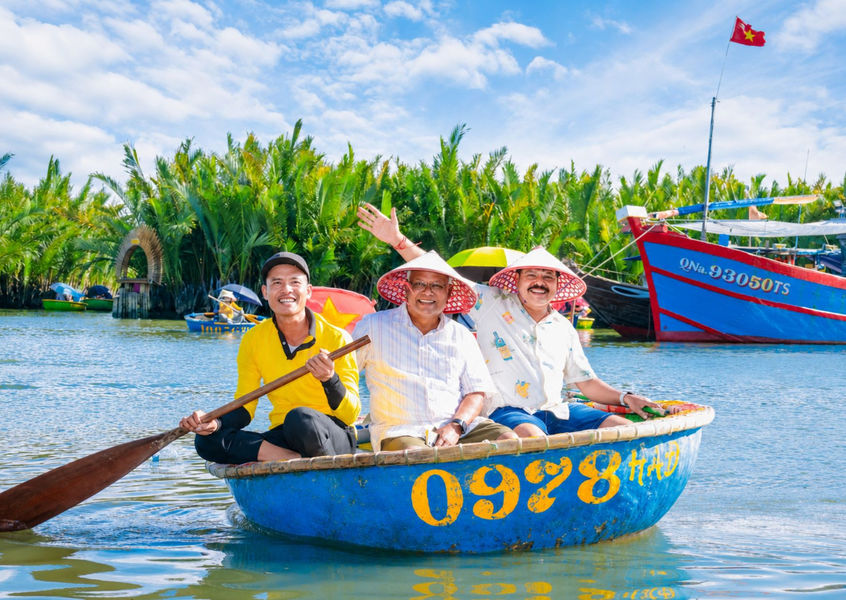
Vietnam spans 1,650 kilometers from north to south, crosses three distinct climate zones, and packs enough regional variation in culture, cuisine, and landscape. These 20 Vietnam tips cover everything you need to know before you land, from visa logistics and regional weather to money, transport, cultural etiquette, and the scams worth knowing about, so your time on the ground is spent experiencing Vietnam, not troubleshooting it.
1. Vietnam at a glance: quick reference for travelers
| Category | Key Facts |
| Currency | Vietnamese Dong (VND). USD 1 ≈ VND 25,000. Cash-dominant economy. |
| Visa | E-visa available for 80+ nationalities. Single entry, 90 days, USD 25. Apply at https://evisa.gov.vn/ |
| Language | Vietnamese. English spoken in hotels, restaurants, tourist areas. |
| Electricity | 220V, 50Hz. Type A, C, and F sockets (round and flat pins). |
| SIM card | Available at Noi Bai and Tan Son Nhat airports. Viettel, Vinaphone, Mobifone all reliable. |
| Tipping | Not obligatory but appreciated. VND 20,000–50,000 for guides and drivers per day is standard. |
| Emergency number | Police: 113 / Ambulance: 115 / Fire: 114 |
| Time zone | Indochina Time (ICT), UTC+7. No daylight saving. |
2. Understand Vietnam’s geography before you plan anything
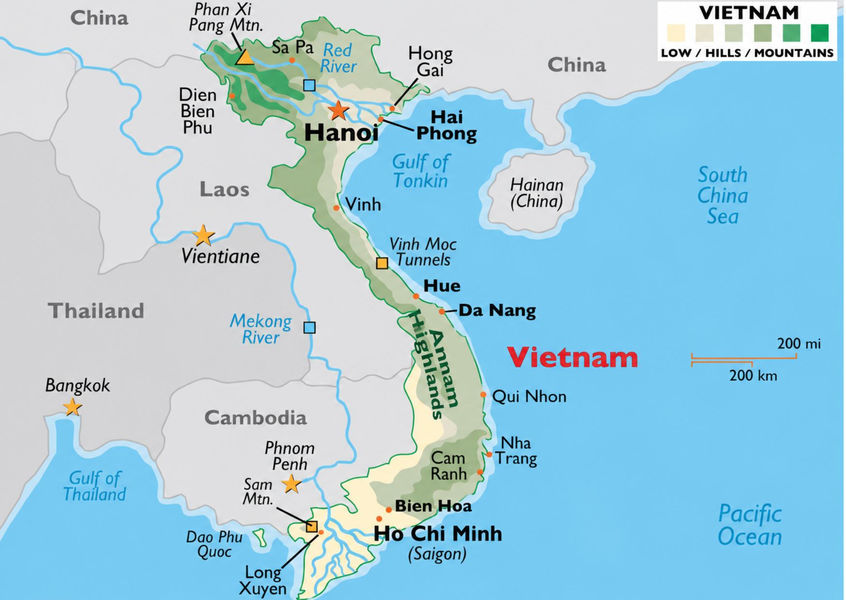
Vietnam is not a compact island destination. It shares land borders with China (north), Laos (west), and Cambodia (southwest) and stretches along 3,444 kilometers of coastline. The country is conventionally divided into three regions:
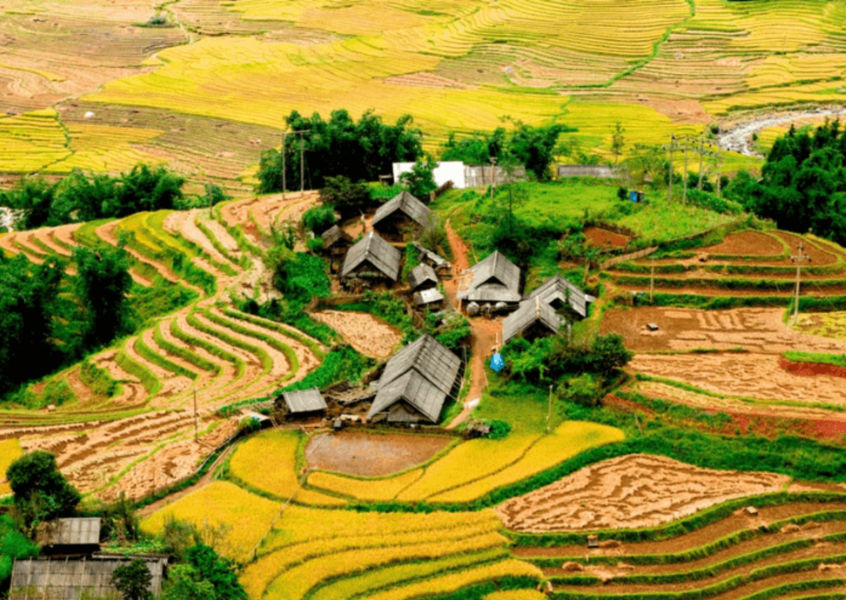
Northern Vietnam: Hanoi (the capital), Halong Bay, Sapa, Ha Giang, Ninh Binh. This is where highland minority cultures, karst limestone landscapes, and the political and cultural heartland of the country are concentrated.
Central Vietnam: Hue, Da Nang, Hoi An, Phong Nha. The imperial heartland. The UNESCO World Heritage corridor running through this region is among the most historically dense in Southeast Asia. Phong Nha-Ke Bang National Park in Quang Binh Province contains Son Doong Cave, the world’s largest cave by volume.
Southern Vietnam: Ho Chi Minh City (formerly Saigon), the Mekong Delta, Phu Quoc Island. The economic engine of the country, with a faster, more commercially energetic character than the north.
Vietnam travel tip: Do not attempt to cover all three regions in under 10 days. Flying is efficient, but transitions between regions still consume time. A well-structured private itinerary from a DMC allows you to move efficiently without the exhaustion of self-navigation.
3. Apply for your e-visa before you fly
Vietnam offers an e-visa for citizens of more than 80 countries. The e-visa is valid for a single entry, for up to 90 days, and costs USD 25. Processing typically takes 3 business days.
Apply through the official Vietnamese Immigration Department portal: evisa.xuatnhapcanh.gov.vn. Avoid third-party services that charge significantly higher fees for the same outcome.
Citizens of certain countries, including Japan, South Korea, Germany, France, Italy, Spain, and the United Kingdom (as of 2023 agreements), may enter Vietnam visa-free for stays of up to 45 days. This list is subject to periodic revision; check with the Vietnamese Embassy in your home country or confirm with your DMC partner before departure.
Vietnam trip tip: If you plan to exit Vietnam and re-enter (for example, crossing into Cambodia and returning), apply for a multiple-entry e-visa or arrange a separate visa on arrival for the second entry. Single-entry e-visas will not permit re-entry.
4. Match your timing to the region you’re visiting
One of the most commonly misunderstood aspects of Vietnam travel planning is the assumption that there is a single “best time to visit Vietnam.” There is not. The country’s weather systems operate differently across its three regions, and there is rarely a moment when the entire country is simultaneously in ideal conditions.
Northern Vietnam (Hanoi, Halong Bay, Sapa): Best months: October to April. Winter (December to February) brings cold fog in the highlands and cool, overcast conditions in Hanoi — not unpleasant for sightseeing but cold enough to require a jacket. May to September is hot and wet, with typhoon risk in the Gulf of Tonkin.
Central Vietnam (Hue, Hoi An, Da Nang): Best months: February to August. September through November brings significant rainfall and occasional typhoons. Flooding in Hoi An’s old town during October–November is common and can affect mobility.
Southern Vietnam (Ho Chi Minh City, Mekong Delta, Phu Quoc): Best months: November to April (dry season). May to October is the wet season, but rain in the south is typically short and intense and followed by sunshine, and tourist volumes are lower.
Vietnam travel recommendations: For a north-to-south itinerary of 12–15 days, the months of February to April and September to October offer the best regional overlap of acceptable conditions.
5. Know how to move between cities
Vietnam’s transport infrastructure has improved substantially. These are the options travelers should evaluate:
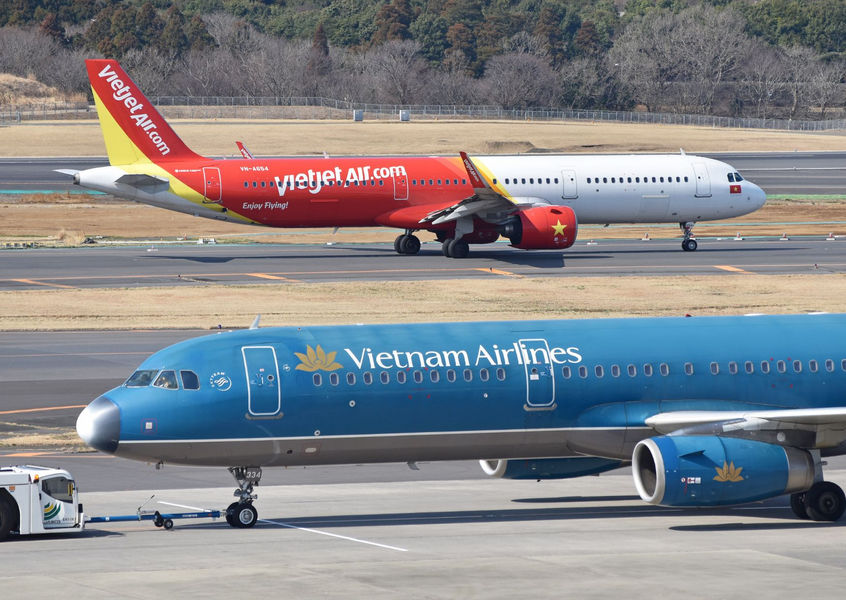
Domestic flights are efficient and inexpensive. VietJet Air, Bamboo Airways, and Vietnam Airlines serve the main corridors (Hanoi–Da Nang–Ho Chi Minh City). Book 6–8 weeks in advance for best pricing. Hanoi’s Noi Bai International Airport (HAN) and Ho Chi Minh City’s Tan Son Nhat International Airport (SGN) are the primary hubs.
The Reunification Express (train running the length of the country) is slower but scenically extraordinary on certain segments, particularly the Hai Van Pass section between Hue and Da Nang. Journey time from Hanoi to Ho Chi Minh City is approximately 30–35 hours.
Private transfers are the most practical option for travelers with set itineraries, families, or those carrying significant luggage. A private vehicle with a driver eliminates the logistical friction of public transport while allowing flexibility in stops along the route.
The Grab app (Southeast Asia’s equivalent of Uber) operates in all major Vietnamese cities and is the safest way to take motorbike or car taxis within cities. Avoid unmarked taxis and always confirm the fare or meter before departure.
6. Understand Vietnamese currency and the cash reality
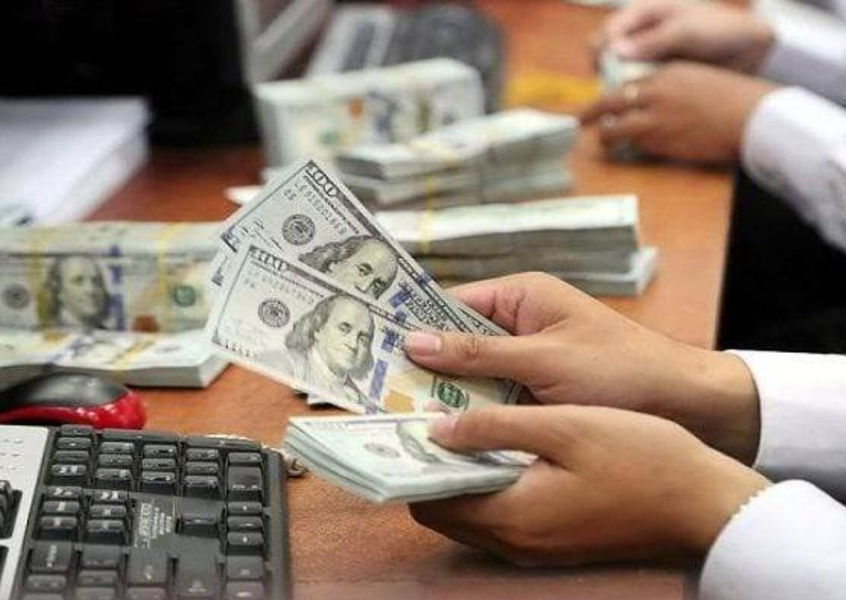
Vietnam remains a largely cash-based economy, particularly outside luxury hotels and international chain restaurants. Vietnamese Dong (VND) is the sole legal tender; USD is not officially accepted, though some tourist businesses in resort areas will quote prices in dollars.
ATMs are widely available in cities and tourist areas. Major bank ATMs (Vietcombank, Techcombank, BIDV) typically charge a withdrawal fee of VND 20,000–55,000 per transaction. Withdrawal limits vary between VND 2,000,000 and VND 5,000,000 per transaction depending on the machine.
Avoid currency exchange kiosks at airports. The exchange rates are consistently worse than at city bank branches or authorized exchange counters. Hotel receptions also offer exchange at reasonable rates.
Vietnam travel tip: Carry small denominations (VND 10,000, 20,000, 50,000) for street food, market purchases, and tips. Large notes (VND 500,000) are not always accepted at small vendors.
7. Approach bargaining with context
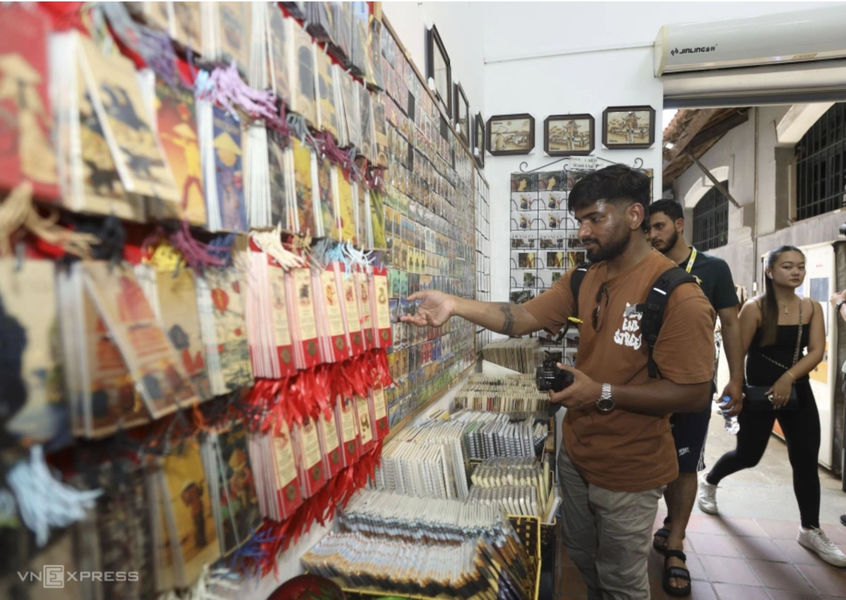
Bargaining is expected in Vietnamese markets, small shops, and with street vendors. It is not expected in fixed-price restaurants, supermarkets, convenience stores, or established tour operators.
A practical rule: if there is no price tag visible, the price is negotiable. If a price tag exists, it is likely fixed. Begin by offering 50–60% of the initial asking price and negotiate toward a mutually acceptable middle ground. Walk away calmly if the price doesn’t reach what you consider fair, vendors will often call you back.
The tone of bargaining matters significantly. Bargaining should be light and good-humored. Aggressive negotiation or visible frustration will not produce better outcomes and will cause discomfort on both sides.
Vietnam trip tip: In tourist hotspots like Hoi An’s Old Town or Hanoi’s Old Quarter, prices quoted to obvious foreigners are typically 2–3 times the local rate. A DMC guide or local knowledge of standard pricing is the most reliable protection against overpaying.
8. Follow temple and religious site etiquette
Vietnam has a richly layered religious landscape: Vietnamese folk religion, Buddhism (both Mahayana and Theravada traditions), Taoism, Confucianism, Caodaism, and Christianity all coexist. There are thousands of active pagodas, temples, and community shrines throughout the country.
Key etiquette rules that apply universally:
- Remove shoes before entering any pagoda or home. A shoe rack or clear threshold will indicate where footwear stops.
- Dress modestly. Shoulders and knees should be covered when entering religious sites. Many temples offer sarongs for visitors who need them, but carrying a lightweight scarf or layer saves time.
- Do not point feet toward altars or images of Buddha. This is considered deeply disrespectful.
- Ask before photographing during active worship. Photographing the exterior and art of most temples is acceptable; photographing ceremonies or monks in prayer requires discretion and often explicit permission.
- Do not touch the face of Buddha statues or sacred objects.
9. Navigate Vietnamese food culture intelligently
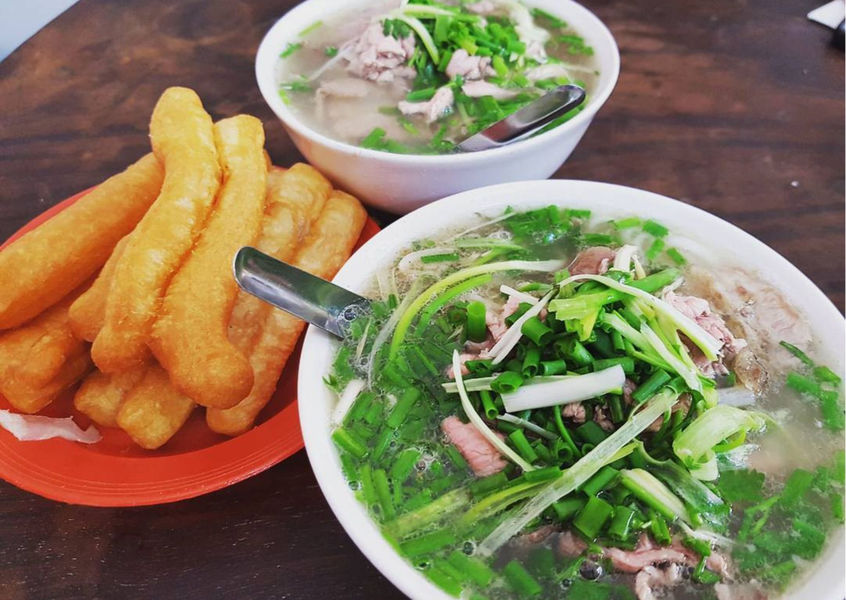
Vietnamese cuisine is one of the most regionally diverse in the world. Pho (rice noodle soup with broth and proteins) eaten in Hanoi tastes and is prepared differently from its counterpart in Ho Chi Minh City. Banh mi in Hoi An includes local ingredients and proportions specific to that town. Bun bo Hue (spicy beef noodle soup) exists in a wholly different flavour register from northern Vietnamese noodle dishes.
Street food is generally safe and is often excellent. High turnover of food at busy stalls (meaning ingredients are fresh), open cooking processes, and the fact that locals eat there daily are good indicators of quality. Choose stalls where you can see the food being prepared.
Vietnam travel recommendations for food:
- In Hanoi, eat pho at a neighborhood stall (Pho Gia Truyen on Bat Dan Street, Hoan Kiem District, is a well-known starting point).
- In Hoi An, try cao lau, a dish unique to the town, made with noodles prepared using local well water.
- In Ho Chi Minh City, explore the street food clusters in District 1 and District 3 for banh mi, broken rice (com tam), and fresh spring rolls (goi cuon).
Drink only bottled or filtered water. Most reputable hotels provide complimentary bottled water. Tap water is not safe to drink without boiling.
10. Understand the coffee culture and use it
Vietnam is the world’s second-largest coffee producer. The dominant variety is robusta, which produces a dense, bitter, high-caffeine cup quite different from the arabica-based coffee common in Western café chains. Vietnamese drip coffee (ca phe phin) is brewed slowly through a small metal filter and served over condensed milk (ca phe sua da) or black over ice (ca phe den da).
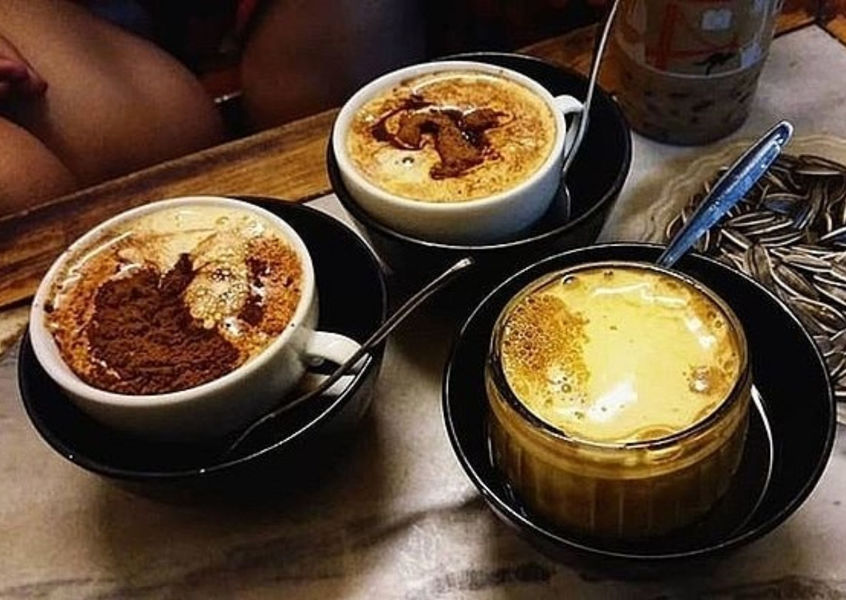
Egg coffee (ca phe trung) is a Hanoi invention involving a creamy whipped egg yolk topping . This special drink has become widely known internationally and is worth trying at original establishments such as Giang Café at 39 Nguyen Huu Huan Street, Hoan Kiem District, Hanoi.
Vietnamese coffee culture is leisurely. A coffee shop is a place to sit for an hour or two. This rhythm is worth embracing.
11. Know the most common scams and how to avoid them
Petty scams targeting tourists exist in Vietnam’s main cities, concentrated in areas with high tourist density. Awareness is the most effective countermeasure.
In Hanoi
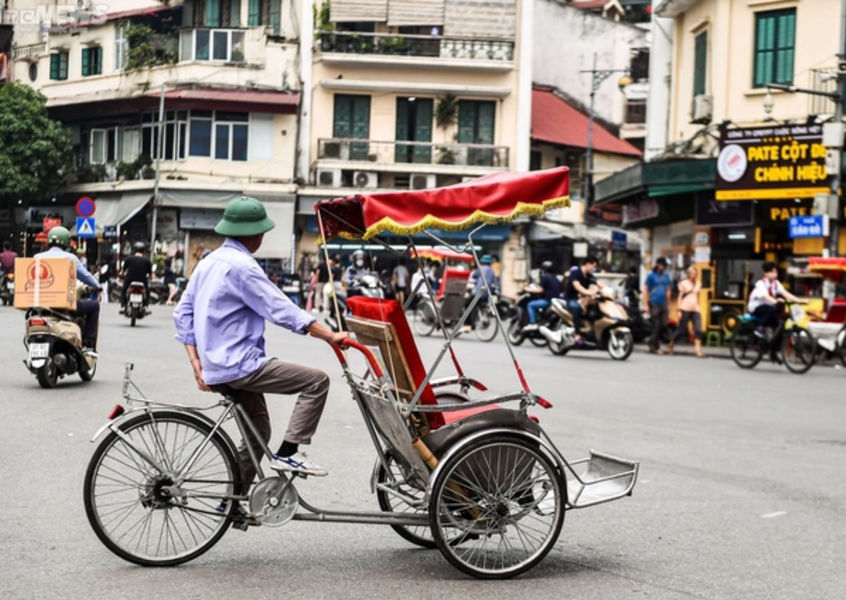
Cyclo (tricycle rickshaw) drivers who agree to a price and then demand significantly more on arrival. Always agree on the exact price and currency before departing, and consider getting it written down.
“Free” shoe-shining that concludes with a demand for payment.
Fake taxi companies using doctored meters (most common outside airports). Use Grab or the official airport taxi lanes (green Mai Linh or yellow Vinasun cabs at Ho Chi Minh City’s Tan Son Nhat).
In Ho Chi Minh City
Motorbike bag-snatching in District 1, particularly on Bui Vien Street (backpacker area) at night. Do not carry shoulder bags open on the street.
Friendly strangers who invite you to a café, restaurant, or “card game.” These consistently conclude with an inflated bill or demand for payment.
General Vietnam trip tip: The best protection against tourist scams is a well-organized itinerary with a trusted local DMC who pre-books all transfers and provides briefings on local conditions. Travellers who are met at the airport, transferred to their hotel, and guided throughout the day have minimal exposure to opportunistic scams.
12. Get a local SIM card at the airport
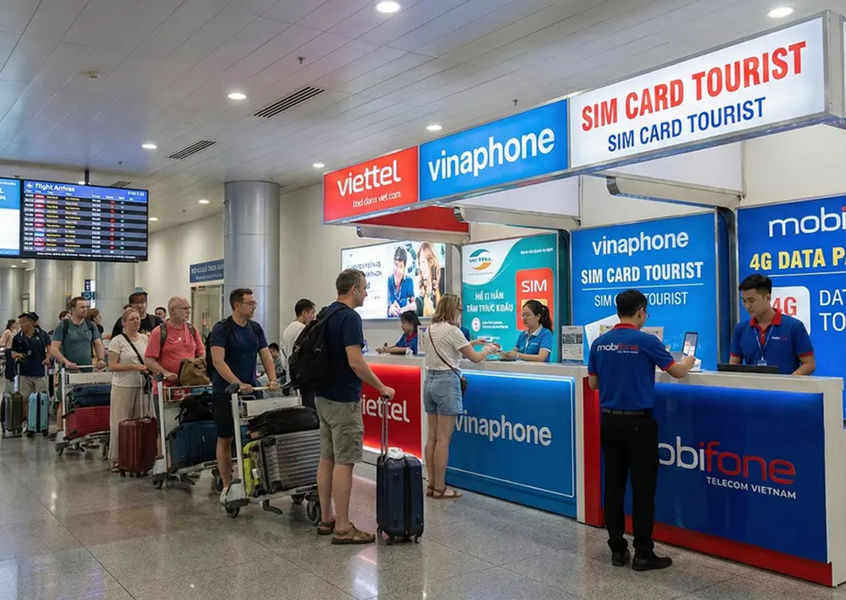
Mobile connectivity in Vietnam is excellent and inexpensive. At Noi Bai Airport (Hanoi) and Tan Son Nhat Airport (Ho Chi Minh City), SIM cards from Viettel, Vinaphone, and Mobifone are available in the arrivals hall for approximately USD 5–10, including significant data allowances (typically 5GB–20GB for a 30-day validity).
eSIM options are increasingly available for travellers who prefer not to swap physical cards such as Airalo and Holafly both offer Vietnam eSIM packages compatible with most modern unlocked phones.
Do not rely on international roaming in Vietnam. The data costs at international roaming rates from most foreign carriers are substantially higher and less reliable.
13. Respect the climate and pack accordingly
Given Vietnam’s geographic range, packing for a multi-region itinerary requires deliberate planning.
For northern Vietnam (October–April): A light jacket or fleece is necessary, particularly in highland areas like Sapa (Lao Cai Province), where temperatures can drop below 10°C (50°F) in December and January.
For central and southern Vietnam year-round: Light, breathable fabrics are appropriate. High humidity makes synthetic fabrics uncomfortable. A compact rain poncho is more practical than an umbrella for sudden downpours.
For temple visits nationwide: One long-sleeved light shirt and one pair of lightweight long trousers (or a sarong) will serve for every religious site in the country.
Vietnam travel tip: Laundry services in Vietnam are cheap and fast. Most hotels offer same-day or overnight service at reasonable rates. Experienced travelers in Vietnam pack light and wash frequently rather than carrying large bags.
14. Regional highlight
Hanoi
Hanoi is the capital of Vietnam and the cultural, administrative, and historical center of the country. The city’s core for visitors is the Old Quarter (Hoan Kiem District), a dense grid of streets historically organized by trade, where street names still reflect their commercial specializations (Hang Bac = silver, Hang Ma = paper goods).
Key areas and experiences:
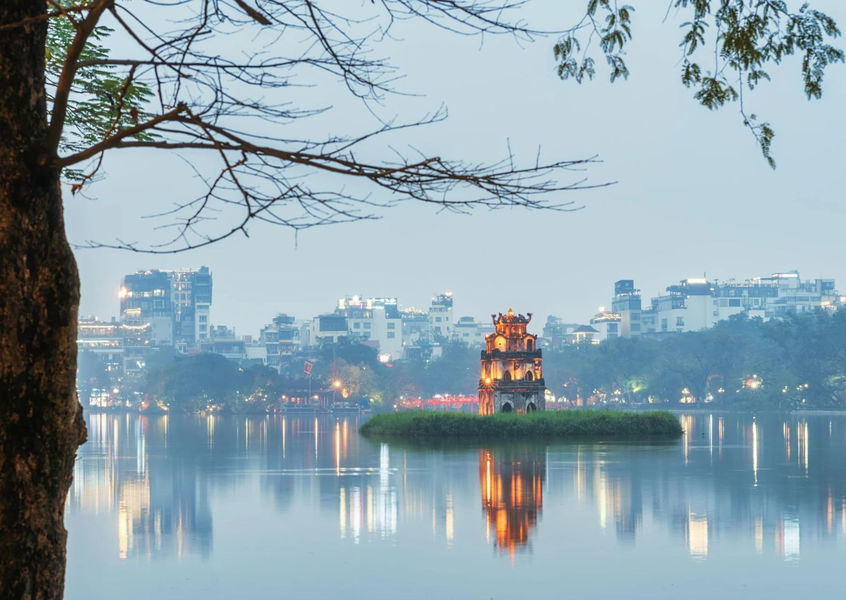
- Hoan Kiem Lake: central landmark, home to the Turtle Tower and Ngoc Son Temple (Temple of the Jade Mountain), accessible via a red wooden bridge
- Ho Chi Minh Mausoleum and Presidential Palace Complex in Ba Dinh District (closed on Mondays and Fridays)
- Temple of Literature (Van Mieu): Vietnam’s first university, founded 1070 AD
West Lake (Ho Tay): Hanoi’s largest lake, with several pagodas along its shores and a quieter residential neighbourhood character - From Hanoi, day trips and short excursions reach Ninh Binh (100km south) and Halong Bay (170km east).
Halong Bay
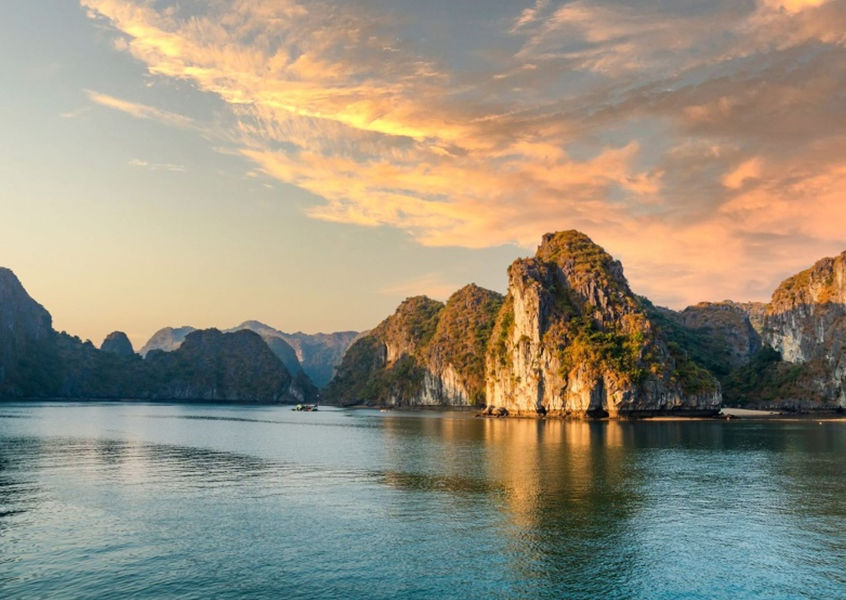
Halong Bay (Vinh Ha Long) in Quang Ninh Province is a UNESCO World Heritage Site comprising approximately 1,969 islands and islets of limestone karst rising from the Gulf of Tonkin. It is one of Vietnam’s most internationally recognized destinations and among the most visually dramatic seascapes in the world.
The experience of Halong Bay is primarily conducted from the water, on overnight or multi-day cruises aboard traditional wooden junks or purpose-built cruise vessels. The bay contains several significant sub-areas: Bai Tu Long Bay (quieter, less trafficked) and Lan Ha Bay (accessible from Cat Ba Island) offer alternatives to the busier central zones.
Vietnam travel recommendations for Halong Bay:
- A minimum of one night (two days) aboard a reputable cruise vessel allows time for kayaking through limestone caves, visiting fishing villages, and experiencing dawn on the water, conditions that are entirely absent on day trips.
- Accommodation quality on Halong Bay cruises varies significantly. A specialist DMC can identify vessels that deliver genuinely private, high-standard experiences rather than mass-market group tours.
Hoi An
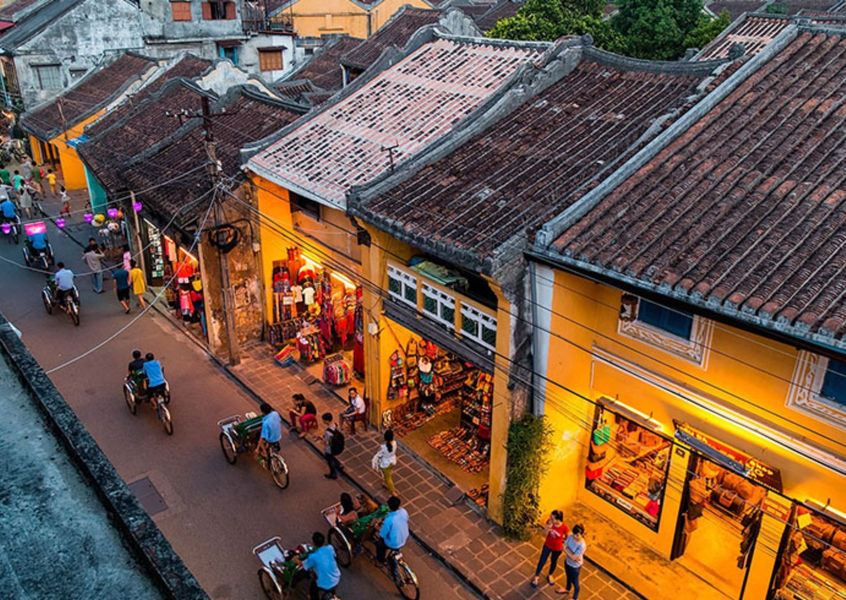
Hoi An (population approximately 120,000) in Quang Nam Province is a former trading port whose 15th–19th century townscape has survived largely intact. The Ancient Town is a UNESCO World Heritage Site characterized by ochre-yellow merchant houses, covered Japanese bridges, communal halls built by Chinese trading communities, and a concentration of tailors, artisan workshops, and lantern makers.
Key experiences:
- Hoi An Ancient Town: best explored on foot in the early morning (before 8:00 AM) or evening (from 6:00 PM), when light conditions and crowd levels are most favorable.
- An Bang Beach and Cua Dai Beach, which is 5–8 kilometers from the Old Town by bicycle or taxi.
- Cooking classes run by local families. Hoi An has an exceptional culinary tourism infrastructure
- My Son Sanctuary is a complex of Hindu temples built by the Cham civilisation between the 4th and 14th centuries, located 40 kilometres southwest of Hoi An
Ho Chi Minh City
Ho Chi Minh City (HCMC, population approximately 9.3 million) is Vietnam’s largest city and its commercial capital. It operates at a different pace and register from Hanoi: faster, louder, and more entrepreneurial. For many visitors it is the gateway to the southern portion of a Vietnam itinerary.
Key areas and experiences:
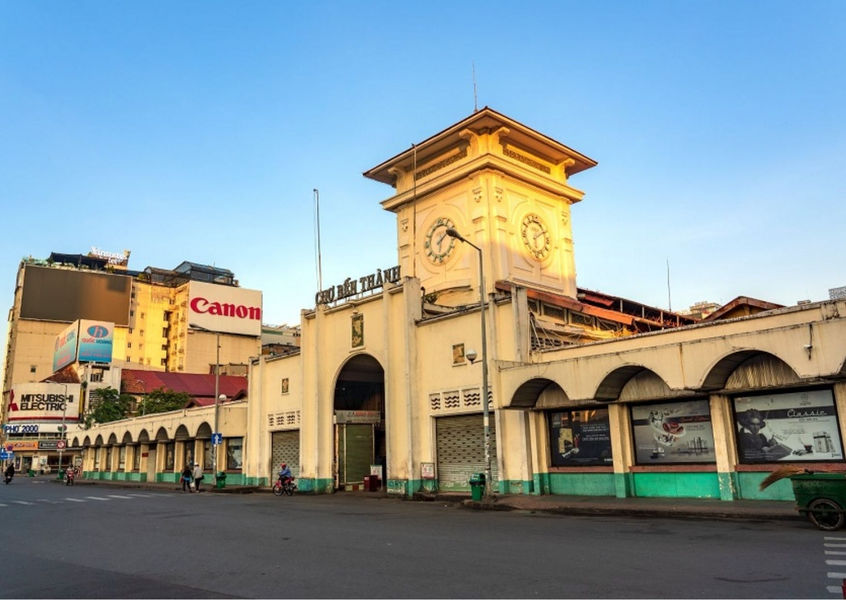
- Ben Thanh Market (District 1): central landmark, busy with local commerce and tourist shopping; best for atmosphere rather than bargain prices
- Reunification Palace: the former South Vietnamese presidential residence, preserved in its 1975 state
- War Remnants Museum: one of the most sobering and historically significant museums in Southeast Asia; expect to spend 2 hours
- Cu Chi Tunnels: a 250-kilometer underground network used by Viet Cong forces, located 40 km northwest of the city. Several tunnel sections have been widened for tourist access.
- Mekong Delta day trips: Ben Tre and My Tho provinces are accessible in 1.5–2 hours from the city for boat trips along the river system.
15. Consider a private tour over a group package
This is the most consequential logistical decision you will make about your Vietnam trip, and it deserves clear thinking.
Group tours operate on fixed schedules, shared transportation, and predetermined stops. They are appropriate for solo travelers seeking to meet other travelers or for those with flexible preferences about pace and sequence.
Private tours, particularly those organized through a specialist DMC such as Viet Dan Travel operate entirely around your own group’s schedule, preferences, pace, and special requirements. A private guide assigned exclusively to your party provides contextual depth that is impossible in a group setting. Private transfers eliminate waiting. Meals can be booked at restaurants that suit dietary requirements (including halal, vegetarian, or Indian food preferences) rather than group-default options.
For families, multigenerational groups, and travelers with specific cultural or culinary interests, the private format produces a meaningfully better experience, not merely a more comfortable one.
16. Health preparation before departure
Vaccinations: The US CDC and UK NHS both recommend travellers to Vietnam be current on standard vaccinations (hepatitis A, typhoid) and consider hepatitis B, Japanese encephalitis, and rabies based on itinerary and activities. Consult a travel medicine clinic at least 4–6 weeks before departure.
Dengue fever is present in Vietnam, particularly during the wet season (May–October) and in urban areas. There is no preventive vaccine recommended for short-term travellers; use insect repellent containing DEET or picaridin, particularly at dawn and dusk.
Malaria risk for travellers on standard tourist routes (Hanoi, Halong Bay, Hoi An, Ho Chi Minh City) is considered very low. The risk increases in forested border areas; discuss with your doctor if your itinerary includes rural highland regions.
Travel insurance that includes emergency medical evacuation is strongly recommended. Medical facilities in Hanoi and Ho Chi Minh City have improved significantly; FV Hospital (HCMC) and Vinmec International Hospital (Hanoi) meet international standards.
17. Work with a Vietnam DMC for a seamless experience
The most consistent theme across Vietnam travel discussions on Reddit, TripAdvisor, and travel forums is the gap between the Vietnam that travelers hoped to experience and the Vietnam they actually encountered. That gap is almost always a planning and logistics problem, not a Vietnam problem.
Vietnam rewards depth. A traveler who spends three days in Hoi An with a knowledgeable local guide who can unlock private access to a 300-year-old merchant family home, arrange a dawn bike ride to a flower village 8 kilometers from town, and recommend a specific restaurant where the owner makes cao lau noodles using the traditional well-water method leaves with a profoundly different memory than one who navigated Tripadvisor independently.
Viet Dan Travel has been designing private itineraries across Vietnam for international travelers and travel agency partners for over a decade. We work exclusively in the private luxury format, with no group tours, no shared transfers, and no pre-packaged departure dates. Every itinerary is built around what you specifically want to see, do, eat, and experience.
For international travel agency partners and tour operators looking to build Vietnam programs for their clients, we offer full B2B support, including visa advisory, ground logistics, licensed guides, private vehicles, hotel contracting, and on-the-ground support throughout the journey.
18. FAQs
What are the most important vietnam tips for first-time visitors?
The five most impactful things a first-time visitor to Vietnam can do: apply for an e-visa before departing, research the weather by region rather than country-wide, install the Grab app before landing, carry local currency (VND) in small denominations from the first day, and allow more time in fewer places rather than attempting to cover the entire country in one trip.
Is Vietnam safe for tourists?
Yes. Vietnam ranks 41st out of 163 countries on the Global Peace Index (2024). The main risks for tourists are petty theft in crowded urban tourist areas, motorbike traffic in cities, and opportunistic scams in areas with high tourist density. Travellers on well-organised private itineraries with pre-booked transfers and guides have minimal exposure to these issues.
What is the best time to visit Vietnam?
There is no single best time to visit all of Vietnam simultaneously. As a general guide: October to April suits northern Vietnam; February to August suits central Vietnam; November to April suits southern Vietnam. For a full north-to-south itinerary, February to April and September to October offer the best regional overlap.
What currency is used in Vietnam and should I bring USD?
Vietnamese Dong (VND) is the official currency. While USD is sometimes accepted in tourist-facing businesses, it is not legal tender and exchange rates given by individual vendors are typically unfavourable. Withdraw VND from ATMs at Vietcombank or Techcombank branches for the best rates.
How should I get around Vietnam between cities?
Domestic flights (VietJet, Vietnam Airlines, Bamboo Airways) are the fastest and most practical option for distances over 200km. Private vehicles with a driver are ideal for regional day trips and shorter inter-city routes. The train is worth considering for the scenic Hue–Da Nang segment.
Is Vietnam a good destination for private luxury travel?
Vietnam offers a strong luxury travel product: there are internationally competitive boutique and five-star properties in all major destinations (Sofitel Legend Metropole in Hanoi, Four Seasons in Nam Hai near Hoi An, The Reverie Saigon in Ho Chi Minh City). Private cruise experiences in Halong Bay operate at a genuinely high standard. The key to a high-quality luxury trip is working with a DMC that specialises in private itineraries rather than adapting a group tour format.