
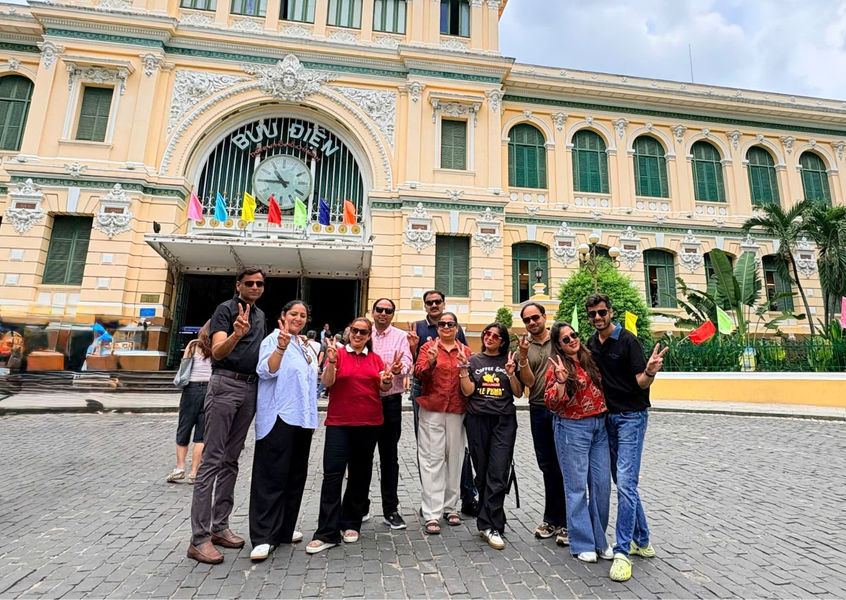
Planning a trip to Ho Chi Minh City but not sure when to go? Unlike Hanoi or Da Nang, Saigon runs on its own rhythm: two distinct seasons, warm temperatures year-round, and a cultural calendar packed with unmissable events. Choosing the right window makes all the difference between a smooth, sun-filled experience and an afternoon stuck waiting out a tropical downpour. This guide breaks down every season, month, and travel style so you can plan with confidence.
1. When is the best time to visit Ho Chi Minh City?
The best time to visit Ho Chi Minh City, Vietnam is from December to March, during the dry season. Temperatures hover between 27°C and 32°C (80°F–90°F), rainfall is minimal, and humidity is at its most manageable levels of the year. January and February are the absolute peak months for weather comfort, though travelers should plan around Tet (Vietnamese Lunar New Year), which falls in February 2026 and brings both festive energy and temporary business closures.
If travel flexibility is limited, November and April work well as shoulder-season alternatives because weather is transitioning, crowds are thinner, and prices are more reasonable.
2. Ho Chi Minh City’s two seasons
Ho Chi Minh City sits in southern Vietnam at approximately 10.8°N latitude, giving it a tropical monsoon climate with no true winter. The city records an average annual temperature of 28°C (82°F) and splits its year into two clearly defined phases:
| Season | Months | Avg. Temperature | Rainfall | Humidity |
| Dry Season | December – April | 27°C – 35°C | 10 – 50mm/month | 70 – 75% |
| Rainy Season | May – November | 25°C – 33°C | 200 – 330mm/month | 79 – 83% |
In central Vietnam, rainy season means days of continuous downpour; meanwhile, Ho Chi Minh City’s wet season typically brings short, intense afternoon showers of one to two hours, after which skies clear. This makes the rainy season far more manageable than most travelers expect.
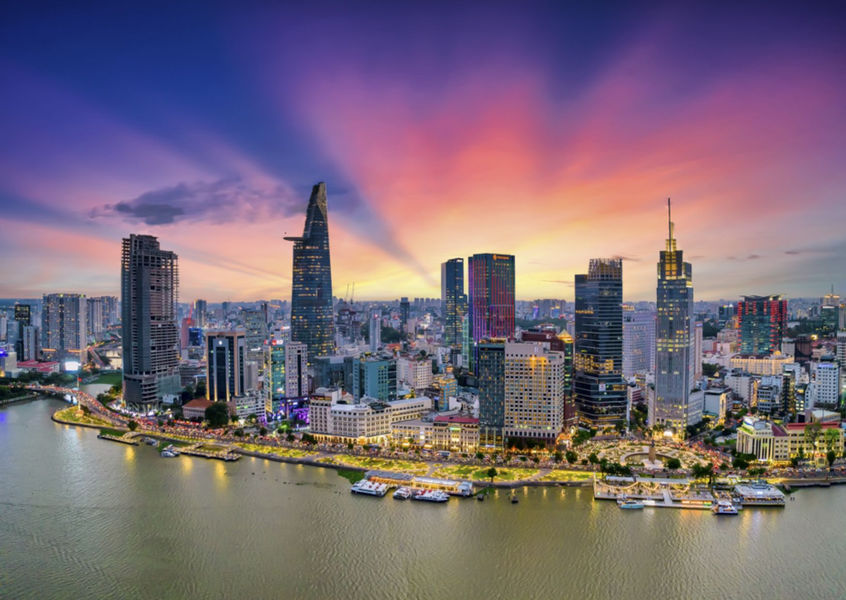
3. Month-by-Month Weather Guide for Ho Chi Minh City
3.1. January: The Golden Month
- Temperature: 21°C – 32°C (70°F – 90°F)
- Rainfall: ~25mm over approximately 2 rainy days
- Humidity: ~70% (annual low)
- Sunshine: ~8 hours per day
January is widely considered the best month to visit Ho Chi Minh City. Clear skies, low humidity, and pleasant evenings make it ideal for walking tours of District 1, day trips to the Cu Chi Tunnels, and Mekong Delta excursions by boat. Peak tourist season means hotels fill fast, so it’s better to book 2 to 3 months in advance for preferred properties.
3.2. February: Festival season
- Temperature: 22°C – 32°C
- Rainfall: ~10mm (driest month of the year)
- Key event: Lunar New Year (February 17, 2026)
February delivers the driest weather of the year with nearly 9 hours of sunshine daily. The dominant event is Tet, Vietnam’s most important national celebration. Nguyen Hue Flower Street transforms into a spectacular display of floral art installations and zodiac-themed sculptures. Streets are quieter in the days after Tet as locals visit family, but tourism infrastructure remains open.
Planning note: Hotel rates increase 30–50% during Tet week. Many small local restaurants close for 3–7 days. If your clients want cultural immersion, Tet is extraordinary. If they prefer seamless logistics, schedule visits before February 10 or after February 25.
3.3. March: Last of the Comfortable Dry Season
- Temperature: 24°C – 34°C
- Rainfall: ~15mm
- Crowds: Shoulder — fewer international visitors than Jan/Feb
March is an excellent month for those who missed the January–February peak.
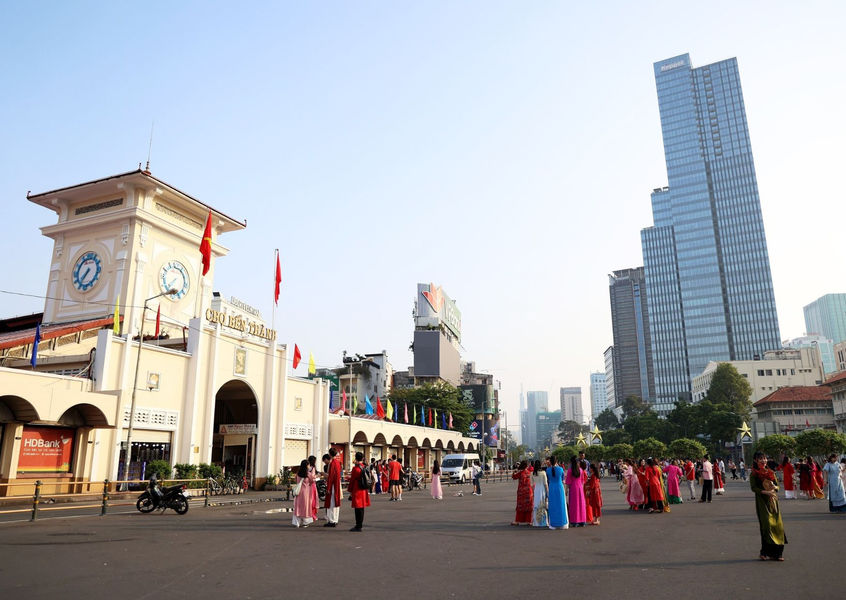
Temperatures remain manageable in the mornings and evenings. The Ao Dai Festival brings parades celebrating Vietnam’s national garment through the streets of District 1. Outdoor activities such as rooftop bars, river cruises along the Saigon River, walking tours of the War Remnants Museum and Reunification Palace are all comfortable with early morning scheduling.
3.4. April: Hot but Rewarding
- Temperature: 25°C – 36°C (can spike to 38°C)
- Rainfall: ~50mm
- Key event: Reunification Day, April 30 (4-day public holiday: April 30 – May 3, 2026)
April is the hottest month in Ho Chi Minh City. Outdoor activities are best scheduled before 9:00 AM and after 4:00 PM. The city compensates with world-class air-conditioned museums, galleries, and shopping malls. The Reunification Day holiday (April 30–May 3, 2026) brings military parades, flag ceremonies, and fireworks to Nguyen Hue Walking Street, a historically significant experience, though domestic tourism surges 30–40% during this window.
3.5. May to November: Rainy Season: What to Expect
- Temperature: 25°C – 33°C
- Peak rainfall months: June–September (200mm–330mm/month)
- Humidity: 79–83%
- Crowd levels: Low — significant hotel rate reductions available
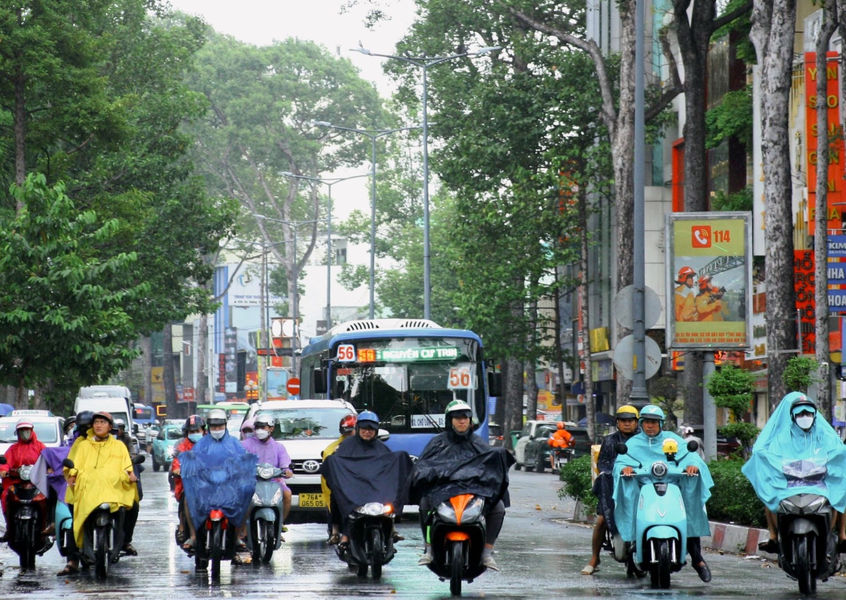
The rainy season in Ho Chi Minh City follows the “Saigon Shower” pattern: clouds build mid-afternoon, release a torrential but brief downpour (typically 1–2 hours), then skies clear for pleasant evenings. This differs dramatically from the prolonged multi-day rains that affect Da Nang and Hoi An during their rainy season.
What this means practically:
- Morning sightseeing and evening dining are largely unaffected
- September is the most humid month and sees occasional localized flooding
- October brings the highest flood risk, particularly in low-lying districts
- The Mekong Delta landscape is at its most lush and photogenic during this period
3.6. November: Shoulder Season Gem
- Temperature: 26°C – 32°C
- Rainfall: Declining sharply, transition to dry season
- Crowds: Lower than peak, favorable pricing
November marks the transition back to dry season. Rain frequency drops noticeably, humidity eases, and the city quiets down from the rainy season’s low tourist numbers. It is one of the most underrated months to visit because the weather is improving, prices are not yet at their peak, and the city’s daily life is running at full pace.
3.7. December: Peak Season Begins
- Temperature: 20°C – 30°C (20–22°C at night — “cool” by Saigon standards)
- Rainfall: ~50mm
- Atmosphere: Festive such as Christmas and New Year decorations citywide
December offers the only time of year when Ho Chi Minh City feels genuinely cool at night. Walking the streets of District 1 in the evening is particularly pleasant. Christmas and New Year’s Eve are celebrated with energy, especially along Nguyen Hue Walking Street and at Saigon Riverside Park, which hosted the Hozo City Tết Fest in December 2025, combining music, arts, and culinary events leading up to the New Year countdown.
>>> Visit our Ho Chi Minh 3 Day Itinerary for planning your trip to HCMC, the energetic travel hub in southern Vietnam.
4. Best Time to Visit Ho Chi Minh City by Travel Style
4.1. For first-time visitors
Visitors should go in January or early February (before Tet). The combination of ideal weather, active cultural life, and full business operations makes this the safest window for a first visit. Major attractions such as the War Remnants Museum, Reunification Palace, Ben Thanh Market, and Cu Chi Tunnels are all accessible and enjoyable.
4.2. For families with children
For families with children, visitors should visit Ho Chi Minh City in December and January because holidays in many Western countries align with these two months. March avoids both the Tet crowds and the summer heat spike. Air-conditioned museum visits can be scheduled around the hottest midday hours.
4.3. For MICE and Corporate groups
For MICE and corporate groups, the best windows are from January to March (dry season, full business operations) and October–November (shoulder season with competitive venue rates).
You should avoid Tet week and the Reunification Day–Labour Day long weekend (April 30–May 3) when domestic travel peaks and event venues book out. Ho Chi Minh City’s MICE infrastructure, including major convention centers in District 1 and the city’s growing portfolio of luxury hotels, operates year-round, but the dry season offers the most predictable logistics for outdoor evening gala events and city tours.
4.4. For Budget-Conscious Travelers
If you are budget-conscious travelers, June, July, or August are the best time to visit Ho Chi Minh City because of low hotel prices. Afternoon showers are actually workable once you carry a lightweight poncho (available citywide for under 20,000 VND / approximately $0.80 USD). The trade-off is humidity and occasional disruption from flooding. Most indoor attractions such as museums, galleries, rooftop bars, street food markets are accessible regardless of weather.
4.5. For Cultural Immersion Seekers
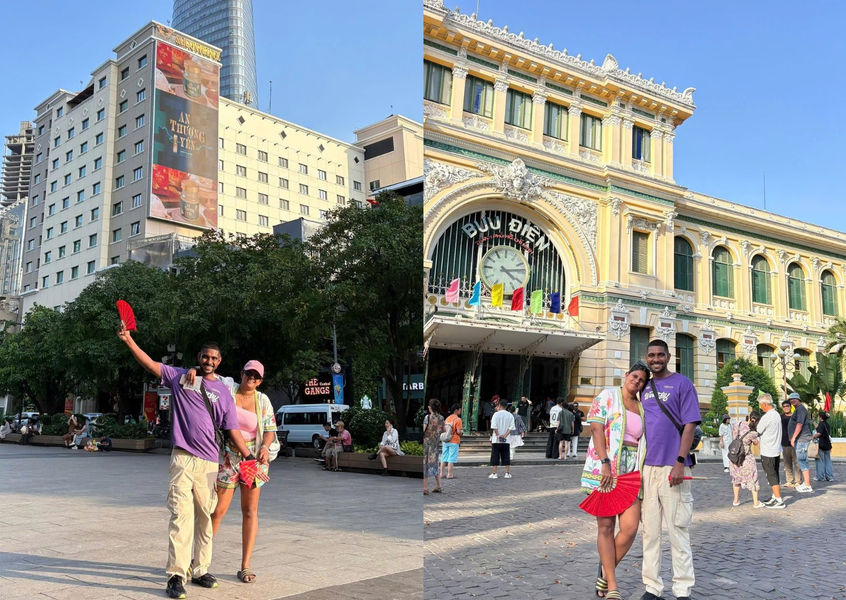
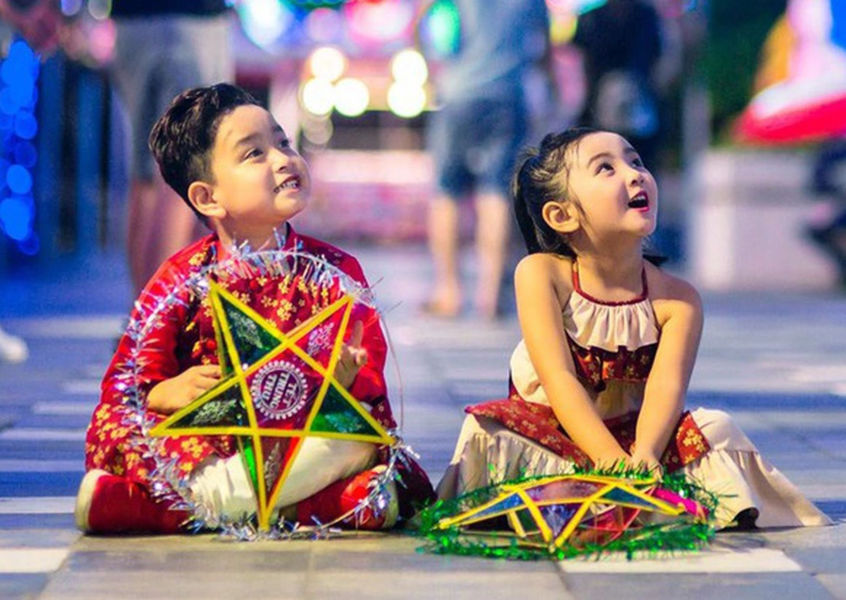
If you are looking for cultural immersion experience in HCMC, late January to early February (Tet) or September (Mid-Autumn Festival) are the perfect time. Tet offers a once-in-a-generation glimpse into Vietnamese family traditions, ancestor ceremonies, and street celebrations. The Nguyen Hue Flower Street installation alone draws millions of visitors. For a less logistically complex cultural event, the Mid-Autumn Festival on September 25, 2026 in Cholon (District 5) delivers lantern processions, dragon dances, and mooncake markets in the heart of Ho Chi Minh City’s historic Chinatown.
5. Ho Chi Minh City Events & Festivals Calendar 2026
Timing your visit around Ho Chi Minh City’s event calendar can transform a good trip into an unforgettable one. The city’s cultural rhythm runs year-round, from the city-wide spectacle of Tet in February to the lantern-lit streets of the Mid-Autumn Festival in September. Some events, like Reunification Day, draw enormous domestic crowds and require advance booking; others, like the newly established Vietnam Culture Day in November, are quieter occasions that offer a genuine window into local traditions. Use the calendar below to identify which events align with your travel window and plan your itinerary accordingly.
| Month | Event | What to Expect |
| February 17–22 | Tet Nguyen Dan (Lunar New Year) | Nguyen Hue Flower Street, fireworks, city-wide decorations, ancestor ceremonies |
| March | Ao Dai Festival | Parades celebrating Vietnam’s national garment |
| April 30–May 1 | Reunification Day + Labour Day | Military parades, flag ceremonies, fireworks at Nguyen Hue Walking Street |
| Late May–Early June | Ho Chi Minh City River Festival | Dragon boat races, water sports, cultural performances along Saigon River |
| September 25 | Mid-Autumn Festival (Tet Trung Thu) | Lantern processions, lion dances, mooncake markets (especially vibrant in Cholon/District 5) |
| September 2 | National Day (5-day holiday: Aug 29–Sep 2) | Flag ceremonies, cultural events, fireworks |
| November 24 | Vietnam Culture Day (NEW in 2026) | Cultural performances at the Saigon Opera House — first year of this national holiday |
| December 27–31 | Year-End Countdown Events | Music festivals, fireworks, New Year countdown along Saigon River |
6. Practical Tips for Every Season
Whether you are visiting in the dry season heat of April or navigating a rainy-season shower in August, the tips below apply across travel styles and budgets. Small adjustments to packing, scheduling, and booking lead times go a long way toward keeping your itinerary on track.
Clothing: Lightweight, breathable fabrics such as linen and cotton are essential year-round. Avoid heavy denim. A light cardigan or scarf is useful for air-conditioned museums, shopping malls, and tour vehicles.
Rain gear during wet season: You should skip the heavy raincoat because it is too hot to wear. Carry a compact umbrella or buy a plastic poncho from street vendors citywide for under 20,000 VND. These are universally available at the first sign of dark clouds.
Sun protection (dry season): The tropical sun in Ho Chi Minh City is intense from March to April. Schedule outdoor activities before 9:00 AM and after 4:00 PM. Carry sunscreen, a hat, and stay hydrated throughout the day.
Getting around: Ride-hailing apps (Grab and Be) are the most convenient way to move between districts, especially during or after afternoon rain. Having VND cash is useful for markets and street food stalls.
Flooding awareness: In October, extreme tides can cause localized flooding in low-lying areas. Waterproof footwear and flexible itinerary planning are advisable during this month.
Booking lead times:
- January – February (peak + Tet holiday):
- Reunification Day weekend (Apr 30–May 3): book 2–3 months in advance
- Rainy season: last-minute bookings generally available at competitive rates
Ho Chi Minh City rewards visitors who arrive with the right timing. Every season offers its own character; the key is matching your travel style to the calendar. As a reliable Vietnam DMC in India, Viet Dan Travel designs private luxury tours and tailor-made itineraries for international travelers and tour operators across all seasons. Whether you are planning a first visit to Ho Chi Minh City, a combined Vietnam itinerary, or a corporate MICE program in southern Vietnam, our local team can help you build a program that makes the most of your chosen travel window. Contact Viet Dan Travel to plan your Ho Chi Minh City itinerary
7. FAQs
What is the best month to visit Ho Chi Minh City?
January is the single best month to visit Ho Chi Minh City. Temperatures range from 21°C to 32°C, rainfall averages just 25mm over approximately 2 rainy days, and humidity reaches its annual low of around 70%. Clear skies and comfortable evenings make every type of activity from city walking tours to Mekong Delta day trips allow visitors to having fun from morning through night.
Is it worth visiting Ho Chi Minh City during the rainy season?
Yes, for the right traveler. The rainy season in Ho Chi Minh City (May to November) is characterized by brief afternoon showers of 1–2 hours rather than all-day rain. Hotel rates drop significantly, tourist crowds thin out, and the city’s museums, street food scene, and indoor cultural attractions remain fully accessible. September is the most humid month and requires the most flexibility, but June through August is entirely manageable with morning sightseeing and evening dining.
Should I avoid Ho Chi Minh City during Tet?
Tet (February 17–22, 2026) is simultaneously the most vibrant and the most logistically complex time to visit Ho Chi Minh City. The Nguyen Hue Flower Street installation, fireworks, and traditional ceremonies offer a cultural experience unmatched at any other time of year. However, hotel rates increase 30–50%, many small local restaurants close for up to a week, and transport demand spikes. First-time visitors with tight itineraries may prefer to arrive in early February (before Tet) or in March. Those seeking deep cultural immersion should embrace the experience with advanced planning.
How hot does Ho Chi Minh City get?
Ho Chi Minh City maintains warm temperatures year-round, with an average of 28°C (82°F). The hottest month is April, when temperatures can reach 35°C to 38°C (95°F–100°F) during peak midday hours. The coolest months are December through February, when nighttime temperatures dip to around 20°C–22°C (68°F–72°F) notably cool by local standards. There is no winter season in the northern Vietnam sense.
What is the best time to visit Ho Chi Minh City for a combined Vietnam itinerary?
For a multi-destination Vietnam trip combining Ho Chi Minh City with central Vietnam (Da Nang, Hoi An, Hue) and northern Vietnam (Hanoi, Ha Long Bay), the window of December to March offers the most consistent weather across all regions. Northern and central Vietnam experience cooler, drier conditions in winter and early spring aligning well with Ho Chi Minh City’s peak dry season. Avoid October–November for central Vietnam, as the region faces its heaviest rainfall and typhoon risk during this period.
Does Ho Chi Minh City have a typhoon season?
Ho Chi Minh City itself very rarely experiences direct typhoon impacts because it is located inland from the coast. Typhoons that affect Vietnam typically make landfall in central Vietnam (Da Nang, Hue, Quang Nam). However, the 2025 East Sea typhoon season was the most active on record with 21 named storms, and some weather disruption can reach southern Vietnam indirectly. Travel insurance with weather disruption coverage is advisable for travel between September and November.