
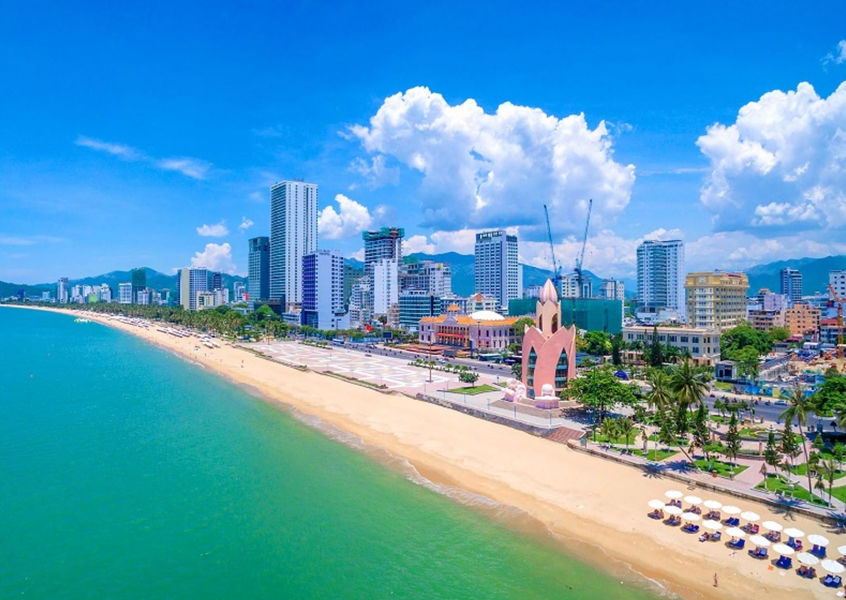
Nha Trang is one of Vietnam’s most consistently sunny coastal cities. For Indian travel partners planning itineraries for FIT clients, honeymooners, or large group tours, getting the timing right is the difference between a seamless operation and a weather-disrupted trip. This guide breaks down Nha Trang’s climate season by season, maps it against the Indian travel calendar, and gives tour operators the ground-level detail needed to book with confidence.
1. When Is the Best Time to Visit Nha Trang, Vietnam?
The best time to visit Nha Trang, Vietnam, is from January to August, when the city’s dry season delivers warm, sunny weather with minimal rainfall. Within this window, February to May is the sweet spot with temperatures averaging 26–29°C, sea conditions are calm for island tours and snorkeling, and the city is active but not overwhelmed with domestic summer crowds.
For Indian group departures, January to April offers the strongest alignment with Indian school holidays and major festive travel periods, while June to August works well for summer family packages despite the heat. Avoid routing clients through Nha Trang from October to mid-December, when the rainy season peaks and island boat services are frequently suspended.
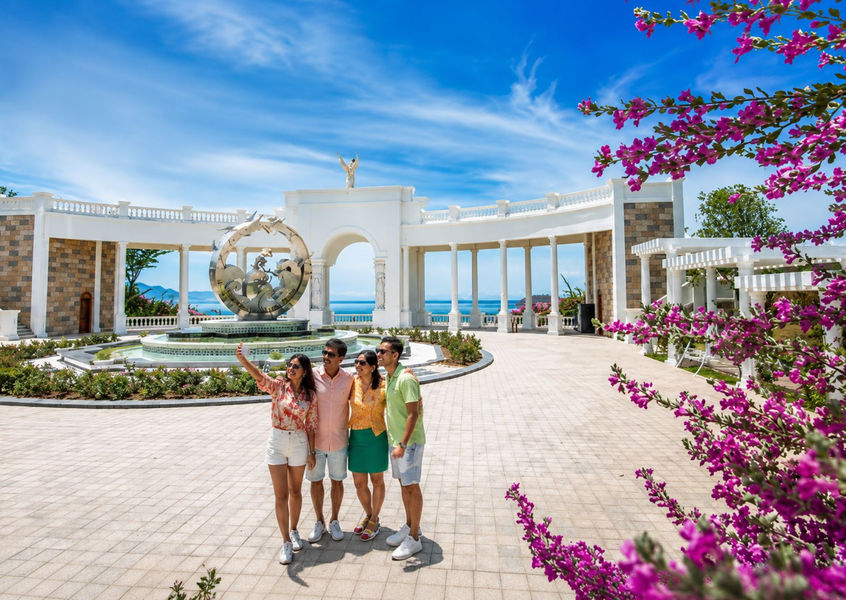
2. Understanding Nha Trang’s Climate: Two Seasons, One Microclimate
Nha Trang, the coastal capital of Khanh Hoa Province in south-central Vietnam, benefits from a natural geographic advantage: the Truong Son mountain range shields it from the full force of northeast monsoon winds. This creates a microclimate that gives the city approximately 2,600–2,800 hours of sunshine annually, more than any other coastal destination in Vietnam.
The climate follows two distinct seasons:
| Season | Months | Temperature | Rainfall | Sea Condition |
| Dry Season | January – August | 24–33°C | Low to moderate | Calm, clear |
| Rainy Season | September – December | 22–28°C | High (peak: Oct–Nov) | Rough, choppy |
3. Nha Trang Weather by Month: A Tour Operator’s Reference Table
The table below is designed as a planning reference for Indian DMC partners. It covers key operational variables alongside weather data.
| Month | Avg Temp | Rainfall | Sea Visibility | Island Tours | Hotel Rates | Indian Market Fit |
| January | 20–27°C | Very low | Excellent | Available | Moderate | Good (New Year departures) |
| February | 22–28°C | Lowest (5.6mm) | Excellent | Fully available | Moderate | Excellent (post-wedding season) |
| March | 23–29°C | Low | Excellent | Fully available | Moderate | Excellent |
| April | 25–30°C | Low | Very good | Fully available | Moderate–High | Excellent (Baisakhi, school holidays start) |
| May | 27–31°C | Low–Moderate | Good | Available | Moderate | Good (summer begins) |
| June | 28–32°C | Moderate | Good | Available | High | Good (summer FIT/family) |
| July | 29–33°C | Moderate | Good | Available | Peak | Good (peak summer family) |
| August | 29–33°C | Moderate | Moderate | Available | Peak | Good (school holiday families) |
| September | 27–30°C | Increasing | Variable | Limited | Lower | Moderate (Navratri/Dussehra—avoid) |
| October | 24–28°C | Very high | Poor | Often suspended | Low | Avoid |
| November | 22–27°C | Very high | Poor | Often suspended | Lowest | Avoid |
| December | 20–27°C | Decreasing | Improving | Partially available | Low–Moderate | Avoid |
Note: Island boat availability in September–November depends on weather advisories from Khanh Hoa Provincial Maritime Authority. Tour operators should build flexibility clauses into sea-activity components during this period.
4. Matching Nha Trang’s Calendar to Indian Travel Patterns
One of the practical advantages of Nha Trang for Indian DMC partners is how well the dry season aligns with India’s key departure windows. Unlike destinations in Southeast Asia where the best season falls during India’s monsoon, Nha Trang’s prime travel months overlap directly with Indian peak outbound travel periods.
January – March: Post-Wedding Season & Winter Sun
Indian honeymooners and leisure FIT travellers are among the most active outbound segments from January through March. Nha Trang in these months offers ideal conditions: calm seas for Hon Mun Island snorkelling, temperatures that feel comfortable to Indian travellers accustomed to warm winters, and 5-star resorts on Tran Phu Beach operating at manageable occupancy. For DMC partners packaging romantic itineraries, combining Nha Trang with Hoi An or Da Lat is the most consistent operational window of the year.
April – May: School Holiday & Baisakhi Departures
As Indian school holidays begin in April, family group departures ramp up. Nha Trang’s conditions in April and May remain excellent with sea visibility for diving around Hon Mun Island reaches its annual peak (8–15 metres underwater), and the absence of large domestic Vietnamese crowds (who travel primarily in June–August) means cleaner beaches and faster island boat boarding. This is also the optimal month for larger MICE groups, incentive trips requiring reliable weather for outdoor gala dinners and beach programmes benefit from April and May’s predictability.
June – August: Peak Summer Families
Summer departures from India spike through June, July, and August, driven by school holidays across all Indian states. Nha Trang in summer is warm (29–33°C), occasionally interrupted by brief afternoon showers that clear within the hour, and fully operational for all sea activities. Tour operators should note that July and August are also peak season for domestic Vietnamese tourists, hotel inventory on Tran Phu Beach and Hon Tre Island tightens significantly, and advance allocation with DMC ground partners (minimum 60–90 days) is strongly recommended for groups of 20 or more.
September – December: Approach with Caution
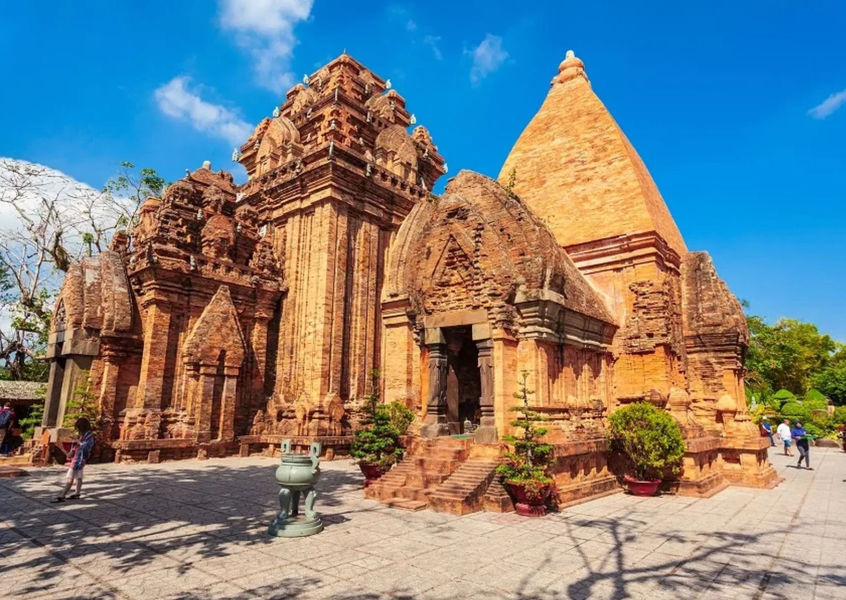
October and November represent Nha Trang’s rainy season peak. While budget-conscious travellers can find hotel rates discounted by 30–50% and the city retains its cultural attractions such as Po Nagar Cham Towers, Long Son Pagoda, the National Oceanographic Museum, island tours and sea-based activities face regular suspension. Tour operators routing Indian clients through Nha Trang in these months should structure itineraries with indoor backup options and avoid scheduling island tours as confirmed programme elements.
5. Best Time for Specific Activities in Nha Trang
Different client profiles need different windows. Use this matrix when designing activity-specific itineraries for Indian guests:
| Activity | Best Months | Notes |
| Island Hopping (Hon Mun, Hon Tre, Hon Tam) | Feb – Aug | Calm seas; fully operational |
| Snorkelling & Scuba Diving | Apr – Aug | Peak visibility at Hon Mun; water temp 26–29°C |
| Mud Bath & Spa | Year-round | 100 Egg Mud Bath, Tháp Bà Hot Springs operational all year |
| Po Nagar Cham Tower Visit | Year-round | Thap Ba Ponagar Festival: mid-April (Vietnamese calendar) |
| Beach & Water Sports | Jan – Aug | Peak comfort: Feb–June |
| Luxury Resort Stay (Six Senses Ninh Van Bay, Fusion Suites) | Feb – May | Best value-to-condition ratio |
| MICE Outdoor Programme | Mar – May | Most reliable weather window for outdoor events |
| Cultural & Historical Sightseeing | Year-round | Alexandre Yersin Museum, National Oceanographic Museum |
6. Nha Trang for MICE & Large Group Indian Tours: Operational Notes
Indian MICE groups increasingly a significant segment in Vietnam inbound, thus requiring different planning parameters than FIT travellers. From a destination management perspective, Nha Trang’s operational landscape for large groups changes meaningfully by season.
Venue and Logistics Capacity
Nha Trang’s 5-star convention-capable properties, including InterContinental Nha Trang, Sheraton Nha Trang Hotel & Spa, and Amiana Resort can accommodate groups from 50 to 500 delegates. The March–May window is preferred by Vietnam DMC for outdoor gala dinners on Tran Phu Beach, as the absence of strong winds (unlike November–January) allows for open-sided tent structures and beachfront setups without weather risk.
Indian Dietary Requirements
Nha Trang’s restaurant and hotel F&B landscape has expanded to accommodate Indian vegetarian and Jain menus following growth in Indian group arrivals since 2022. A dedicated Indian menu coordination service including dal, roti, sabzi, and rice-based dishes is now standard at 4-star and above properties when requested 30+ days in advance through a local DMC.
Connectivity: Getting Indian Groups to Nha Trang
Cam Ranh International Airport (CXR) serves Nha Trang and is approximately 30 kilometres south of the city. Indian groups typically route through Ho Chi Minh City (SGN) or Hanoi (HAN) on international legs, then connect on domestic Vietnam Airlines, Bamboo Airways, or Vietjet flights to Cam Ranh. Flight frequency on the Ho Chi Minh City–Nha Trang route allows for same-day connections from major Indian cities (Delhi, Mumbai, Chennai, Bangalore, Ahmedabad, Kolkata) via SGN.
7. FAQs
What is the best month to visit Nha Trang for beach activities?
The best months for beach activities in Nha Trang are February through May. Sea conditions are calm, underwater visibility for snorkelling reaches 8–15 metres around Hon Mun Island, and temperatures average 26–30°C, comfortable for all-day beach programmes.
Does it rain a lot in Nha Trang?
Nha Trang has one of Vietnam’s shortest rainy seasons due to its mountain-sheltered microclimate. The wet season runs from September to December, with October and November seeing the heaviest rainfall. From January to August, these eight months of the year offer dry and sunny conditions.
Is Nha Trang suitable for Indian tourists in summer (June–August)?
Yes. While temperatures in June through August reach 29–33°C, Nha Trang remains operational for all sea activities and is popular with both international and domestic visitors. Indian travellers from cities like Mumbai, Chennai, or Delhi will find the climate comparable to their own summer. The key operational consideration is hotel availability. Summer is peak season, so advance booking through a DMC is essential for groups.
When should Indian tour operators avoid routing clients through Nha Trang?
October and November are the months with the heaviest rainfall, highest typhoon risk, and most frequent suspension of island boat services. Tour operators should avoid scheduling sea-activity-dependent itineraries in Nha Trang during this window unless indoor cultural alternatives are programmed as the primary experience.
What is the weather in Nha Trang in December?
December marks the tail end of the rainy season. Rainfall decreases progressively through the month, and by late December conditions begin to improve. Temperatures range from 20–27°C. It is a viable option for budget-conscious departures, particularly around Christmas and New Year, but sea conditions remain variable in early December.
Is Nha Trang good for a honeymoon from India?
February through April is considered the best window for Indian honeymooners visiting Nha Trang. The combination of calm, clear seas, mild temperatures, and lower occupancy at luxury resorts on Tran Phu Beach and Ninh Van Bay creates ideal conditions. Properties such as Six Senses Ninh Van Bay and Fusion Suites Nha Trang Beach are particularly well-suited to romantic FIT packages.
How does Nha Trang’s climate compare to Goa for Indian travellers?
Nha Trang’s dry season (January–August) inversely mirrors Goa’s peak season (November–March). When Goa enters its off-season monsoon from June to September, Nha Trang is in its beach-perfect prime. This makes Nha Trang a compelling alternative destination for Indian operators looking to keep clients travelling through the Indian summer months.