
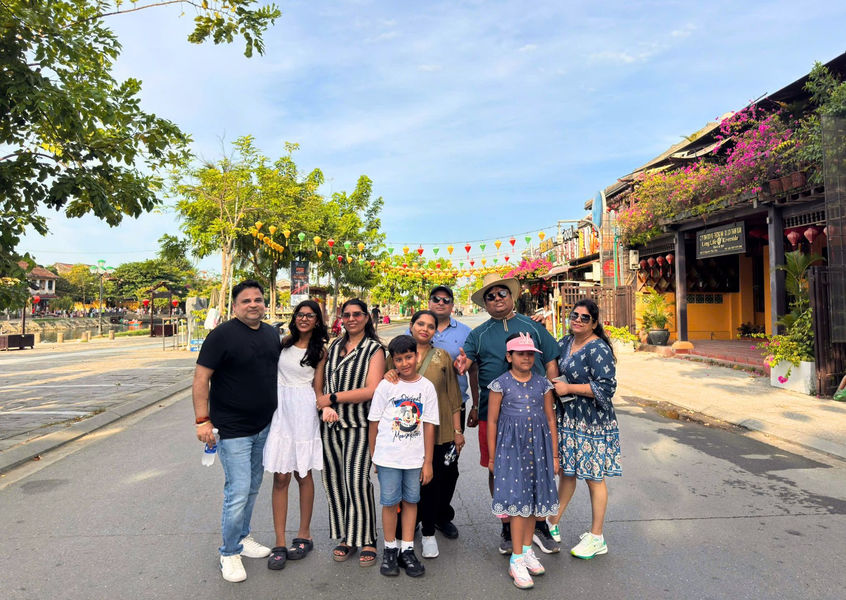
Hoi An, Vietnam’s UNESCO-listed Ancient Town in Quang Nam Province, central Vietnam, is one of Southeast Asia’s most visited destinations. The best time to visit Hoi An, Vietnam is February through April, when the dry season delivers clear skies, comfortable temperatures between 23°C and 28°C, and minimal rainfall across the region. That said, the “best” month depends entirely on what your group wants to do and how well your itinerary accounts for the town’s distinct seasonal rhythms.
1. Hoi An Climate: Two Seasons, One Ancient Town
Hoi An sits at approximately 15°N latitude in Quang Nam Province, roughly 30 kilometers south of Da Nang International Airport along Vietnam’s central coast. The town is built around the Thu Bon River estuary, a location that makes it naturally beautiful and historically significant as an ancient trading port. However, this means the town is vulnerable to seasonal flooding.
Central Vietnam operates on a two-season climate system that is distinctly different from both the north (Hanoi) and the south (Ho Chi Minh City):
- The Dry Season (February to August) brings clear skies, warm to hot temperatures, and low rainfall. The early dry season (February to April) is cooler and more pleasant; the mid-dry season (May to July) is sunny but intensely hot, with temperatures regularly reaching 33–35°C. This is the period when Hoi An’s Ancient Town is most accessible for walking, cycling, and outdoor sightseeing and when Cham Island boat trips operate most reliably.
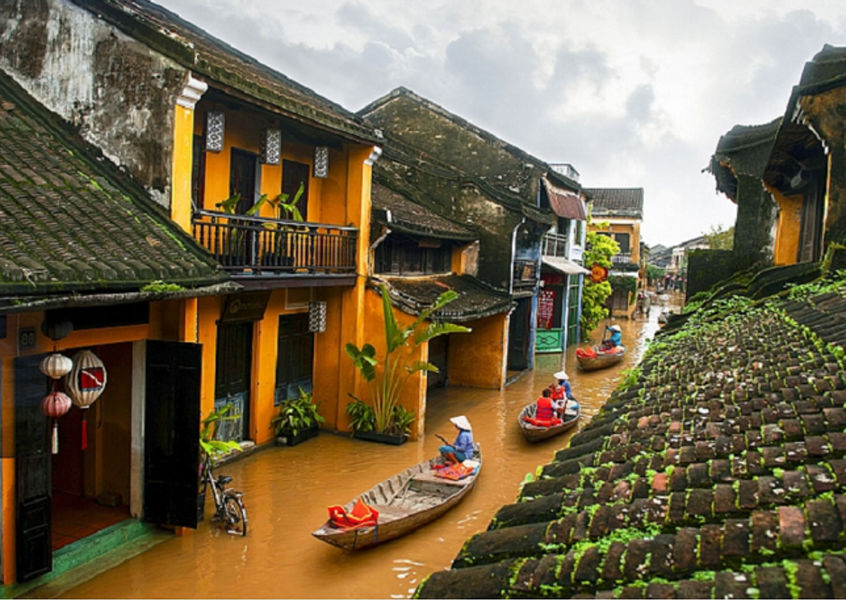
- The Wet Season (September to January) is defined by the northeast monsoon that sweeps across central Vietnam, bringing heavy rainfall and occasional typhoons. In October and November, the flood causes significant damage for the Ancient Town. The Thu Bon River can rise rapidly after sustained rain, and the historic streets of Hoi An’s Old Town (Pho Co Hoi An) have experienced flooding of 1–2 meters in severe years. This is not a reason to never visit during the wet season, but it requires contingency planning, especially for group programs.
January and February mark the transition out of the wet season. Skies begin to clear, temperatures remain comfortable at 20–25°C, and the town starts to prepare for Tet, the Vietnamese Lunar New Year.
2. Best Time to Visit Hoi An by Month
2.1. February: The Dry Season Begins and Tet Transforms the Town
February marks the official start of Hoi An’s peak season. Average temperatures sit around 23–27°C, humidity is manageable, and rainfall drops to just a few days per month. For travelers coming from cooler climates whether India, Europe, or North America, the warmth feels welcome without being exhausting.
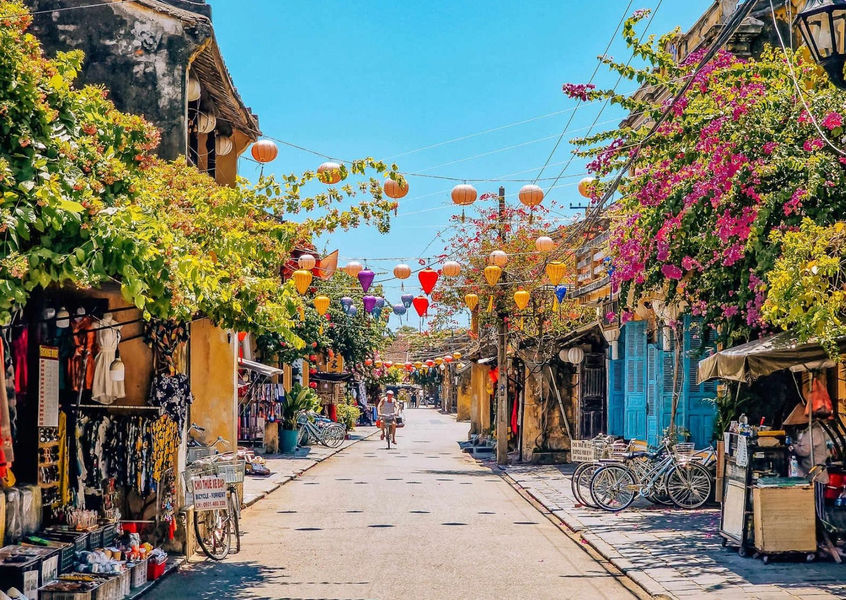
Tet (Vietnamese Lunar New Year) typically falls in late January or early February. During Tet, Hoi An undergoes a remarkable transformation: the Ancient Town is decorated with thousands of lanterns and flowers, dragon dances fill the streets, and the Thu Bon River hosts floating lantern ceremonies. However, many family-owned shops and restaurants close for three to seven days during the holiday itself. DMC operators should build flexibility into group itineraries around Tet dates, which shift each year according to the lunar calendar.
Outside of Tet week, February is excellent for sightseeing with manageable crowds. Accommodation and tour rates are still moderate relative to March and April peaks.
2.2. March: The Single Best Month to Visit Hoi An
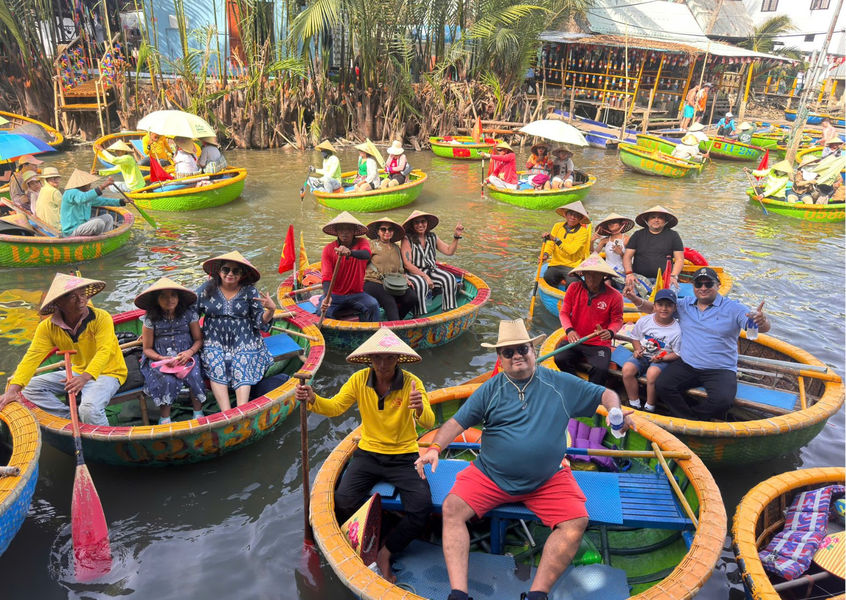
If you can only choose one month, choose March. Temperatures hover between 24°C and 28°C. Rain is rare, typically one or two light showers per month. The Ancient Town is lively but not yet overwhelmed. Cua Dai Beach and An Bang Beach (both within 5 kilometers of the Ancient Town) are warm enough to enjoy but not yet baking. Cham Islands boat trips operate in calm sea conditions.
For travel agencies planning Vietnam itineraries, March offers the ideal combination of product reliability and client comfort. Cooking classes in the countryside, bicycle tours through Tra Que Vegetable Village, and tailoring experiences on Tran Phu Street all run smoothly without weather disruptions.
2.3. April: Peak Season, Peak Experience
April is Hoi An at full energy. Temperatures climb to 28–32°C, skies remain blue, and the town is busy with international visitors. For travelers, this means vibrant street life, fully operational tourism products, and the best conditions for beach time at An Bang or Cua Dai. For operators, it means booking well in advance because popular guesthouses, boutique hotels, and cooking class slots fill quickly from February onward.
April is particularly popular with Indian leisure and honeymoon travelers, as it coincides with post-Holi and pre-summer travel windows. Luxury properties in Hoi An, including resorts along the An Bang Beach corridor, command premium rates in April, so group accommodation should be confirmed at least 60–90 days ahead.
2.4. May to July: Hot, Sunny, and Underrated for Beach-Focused Travel
These three months are the hidden sweet spot for travelers whose itinerary prioritizes Hoi An’s beaches over Old Town walking. Temperatures peak at 33–37°C during midday, which makes extended afternoon sightseeing in the Ancient Town uncomfortable. However, early mornings (before 9:00 AM) and evenings (after 4:30 PM) in the Old Town are pleasant, and the beach is genuinely excellent.
The Cham Islands, the archipelago of eight islands located 18 kilometers offshore from Hoi An, are fully accessible in these months, with calm seas ideal for snorkeling, glass-bottom boat tours, and day trips managed by Viet Dan’s ground operations team. Crowds and prices are lower than the February–April peak, offering good value for budget-conscious groups and FIT travelers.
June and July are technically Hoi An’s low season for domestic tourism (Vietnamese travelers avoid the heat), which paradoxically means international visitors encounter fewer crowds at major sites and shorter wait times at popular restaurants.

2.5. August: The Transition Month
August sits at the edge of the dry season. The first weeks are still sunny and hot, but by mid-to-late August, cloud cover increases and early rain becomes possible. This is a good month for price-conscious travelers who want largely dry conditions with lower rates. DMC operators typically maintain Cham Islands access through August, though sea conditions can be rougher toward the end of the month.
2.6. September and October: When to Avoid Hoi An
September and October bring the northeast monsoon directly onto central Vietnam’s coastline. Hoi An receives the highest rainfall of the year during these two months. October is statistically the worst month to visit, with near-daily rainfall, high flood risk, and occasional typhoon activity affecting the region. Cham Islands boat services are suspended during rough-weather periods.
For travel operators, these months carry real product delivery risk: outdoor tours, transfers, and beach experiences are frequently disrupted. Groups visiting Vietnam in September–October should route south (Ho Chi Minh City, Mekong Delta, Phu Quoc) or north (Hanoi, Ninh Binh, Ha Long Bay) rather than through central Vietnam.
2.7. November: Still Risky, but Improving
November remains rainy and prone to flooding in the first half of the month. By late November, conditions start to improve, and some years see a relatively dry second half of November. Travelers considering a late November visit should monitor weather forecasts closely and build buffer days into the itinerary. Accommodation rates are low, and the town has a quieter, more authentic atmosphere when tourist numbers are down.
2.8. December and January: Cool, Festive, and Quietly Charming
December brings cooler air (temperatures drop to 19–24°C), the tail end of the rainy season, and a festive atmosphere in preparation for Christmas and New Year events. The Ancient Town glows particularly beautifully in December evenings when lanterns are lit against the cool, misty air.
January transitions out of the wet season. Expect some rainy days in early January, with conditions improving toward the end of the month. Both months offer lower prices, smaller crowds, and a more intimate Hoi An experience, appealing for travelers who prioritize atmosphere over guaranteed sunshine.
3. Best Time to Visit Hoi An by Travel Style
Different travelers have different priorities. This table maps seasonal timing to common trip profiles, useful for travel agencies building Vietnam itinerary recommendations for clients.
| Travel Style | Best Months | Key Reason |
| Ancient Town sightseeing & culture | February, March, April | Cool weather, walkable conditions, all sites open |
| Beach holiday (An Bang, Cua Dai) | March to July | Warm water, sunny skies, consistent beach days |
| Cham Islands snorkelling / day trip | March to August | Calm sea conditions, reliable boat access |
| Photography (lanterns, architecture) | March, April, December evenings | Best light, manageable crowds, dry conditions |
| Honeymoon / luxury resort stay | March, April | Peak property availability, full activity menu |
| Indian group tours (FIT or group) | February, March, April | Comfortable heat range, no disruptions to itinerary |
| Family travel with children | February to May | Outdoor-friendly weather, safe beach conditions |
| Budget-conscious FIT travel | June, July, January | Low-season pricing with mostly acceptable weather |
| Slow travel / off-beat experience | December, January | Quiet streets, local atmosphere, cool evenings |
4. Hoi An Festivals and Events Calendar
4.1. Full Moon Lantern Festival (Hoi An Pho Co Dang Long)
Held on the 14th day of every lunar month, this is the most consistent cultural event in Hoi An. The electricity in the Ancient Town is switched off, replaced entirely by thousands of silk lanterns. The Thu Bon River is lit with floating candle boats. For international visitors, the Full Moon Festival is often the single most memorable evening of their Vietnam trip. It occurs once per month year-round, so it can be incorporated into any itinerary with advance scheduling; simply align arrival dates with the lunar calendar.

4.2. Tet Nguyen Dan (Lunar New Year)
Falling in late January or early February (the date shifts annually), Tet is Vietnam’s most important cultural celebration. Hoi An’s Ancient Town is spectacularly decorated, but travelers should note that local businesses operate on reduced schedules for 3–7 days around the main holiday. A well-structured itinerary with a local DMC will route around closures while maximizing festival experiences.
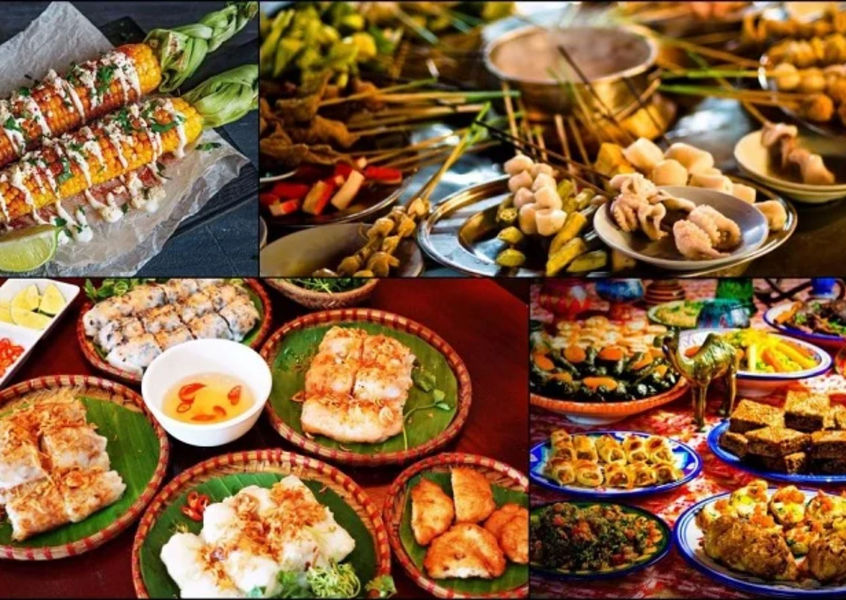
4.3. Hoi An International Food Festival
Typically held in March or October (confirm current year dates), this event celebrates the culinary heritage of Quang Nam Province with food stalls, cooking demonstrations, and cultural performances across the Ancient Town. March timing aligns well with peak travel season.
4.4. Hoi An Memories Show
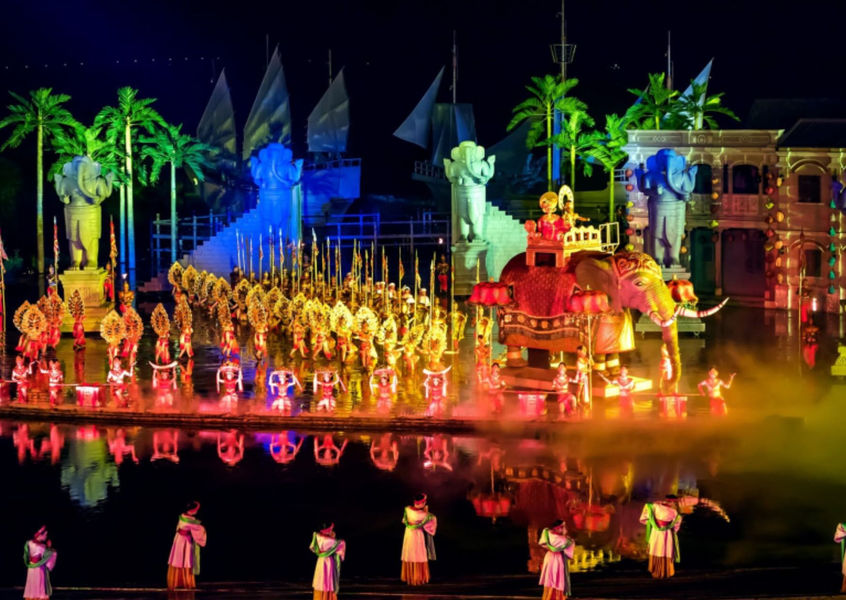
A nightly large-scale cultural performance staged on an island in the Thu Bon River. This show dramatises Hoi An’s 2,000-year trading history through music, light, and spectacle. Running year-round (weather permitting), it is best experienced during dry season months when the performance is not interrupted by rain.
5. Practical Planning Notes: What DMC Operators Know
After managing hundreds of private tours and group programs through central Vietnam, Viet Dan Travel has learned that small planning decisions (when to book, which activities to lock in first, how to sequence a day in the Ancient Town) make the difference between a smooth trip and a reactive one. Here’s what we consistently advise our agency partners.
- Booking windows by season: For February to April travel, hotel and tour bookings should be confirmed 60–90 days in advance, particularly for boutique properties, cooking class slots, and Cham Islands day trips. From May to August, 30–45 days is typically sufficient. Wet season months have high accommodation availability with limited advance booking required.
- Cham Islands access: Cham Islands Marine Protected Area (Khu Bao Ton Bien Cu Lao Cham, located 18km east of Hoi An in the East Sea) is accessible by speedboat or wooden boat from Cua Dai port. Boat services are suspended from approximately mid-September through February when sea conditions are unsafe. The reliable operational window is March through August. For groups with Cham Islands on the itinerary, May to August offers the best combination of calm seas and competitive rates.
- Flood contingency planning: Operators running groups through Hoi An in August, November, or December should include contingency days or alternative program segments (indoor cooking classes, museum visits, tailoring experiences) that remain viable if outdoor access to the Ancient Town is reduced due to flooding.
- Group logistics in the Ancient Town: Hoi An’s pedestrian zone (the core of the UNESCO-listed Hoi An Ancient Town) operates vehicle-free hours, typically 8:30 AM to 11:00 AM and 3:00 PM to 9:30 PM. Groups larger than 15 require careful pacing through these corridors, especially in peak season. DMC ground operations should coordinate arrival timing to avoid overlap with large international tour buses that arrive mid-morning.
- Indian traveler specifics: Indian travelers arriving through Da Nang International Airport (airport code: DAD) have access to a 30-kilometer transfer to Hoi An, typically 45–60 minutes by private vehicle. Direct and one-stop flights from Delhi (DEL), Mumbai (BOM), Bengaluru (BLR), and Ahmedabad (AMD) operate seasonally. March and April travel aligns with Indian school holiday windows and the pre-summer travel peak, DMC partners should advise agency partners to secure ground arrangements early.
Viet Dan Travel is a Vietnam-based destination management company operating private luxury tours, group programs, and MICE travel across Vietnam. Our team has managed itineraries through every season in Hoi An from peak-season luxury group programs to off-season contingency routing during flood months. Contact our team to discuss your upcoming Hoi An program.
6. Frequently Asked Questions
What is the best time to visit Hoi An, Vietnam?
The best time to visit Hoi An is from February to April. March is the most consistently recommended month: temperatures are comfortable (24–28°C), rainfall is minimal, sea conditions allow Cham Islands access, and the Ancient Town is fully operational. April is equally excellent but busier and more expensive.
What months should I avoid visiting Hoi An?
Avoid October and November if possible. October is Hoi An’s rainiest month, with near-daily rainfall and significant flood risk in the Ancient Town. September also carries typhoon risk. If you must visit in these months, work with a local DMC to build flexible, contingency-ready itineraries.
Does it flood in Hoi An? When?
Yes. Hoi An’s Ancient Town is located in a low-lying area adjacent to the Thu Bon River, making it prone to flooding after heavy rainfall or typhoons. Flooding most commonly occurs in October and November. In severe years, water levels in the Old Town can reach 1–2 meters. December and August can occasionally see minor flooding. The dry season months (February to August) carry negligible flood risk.
Is Hoi An good to visit in December?
December is a mixed month. The rainy season is winding down, so expect some rain, particularly in early December. Temperatures are cool (19–24°C), the festive atmosphere is lovely, and crowds are low. It is not the ideal month for guaranteed outdoor sightseeing, but it offers a quieter, more atmospheric Hoi An experience for flexible travelers.
When are the Cham Islands accessible from Hoi An?
The Cham Islands (Cu Lao Cham) are reliably accessible from approximately March through August. Sea conditions during these months are calm, and boat services operate daily from Cua Dai port. From mid-September through February, rough seas frequently suspend boat services, making Cham Islands trips uncertain or unavailable.
Is Hoi An worth visiting during the rainy season?
Yes, with the right expectations. The rainy season (September to January) brings fewer tourists, lower prices, and a more authentic local atmosphere. December and January in particular can be charming. However, October and November carry real disruption risk from flooding and typhoons, and Cham Islands access is restricted. A DMC operator experienced in central Vietnam can restructure programs around weather disruptions.