
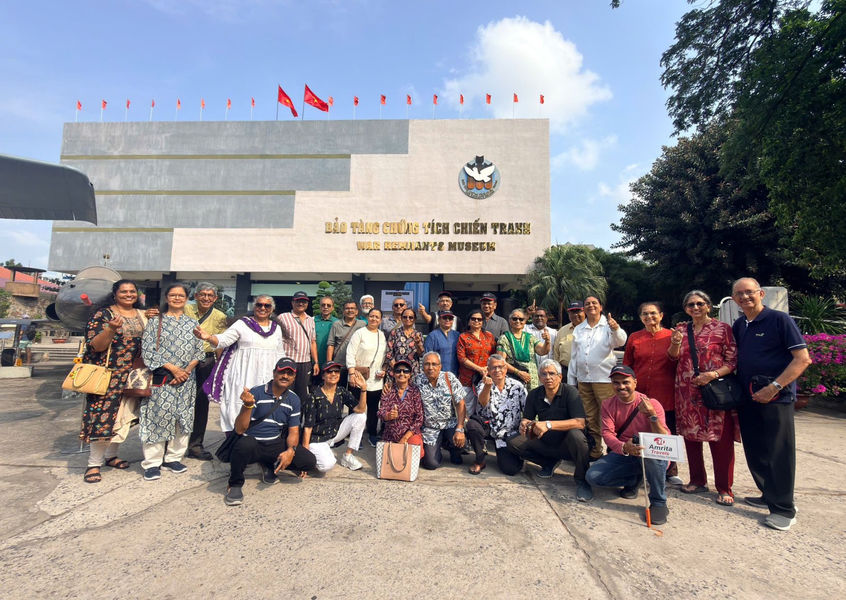
The site most travelers mean when they search “Ho Chi Minh War Museum” is the War Remnants Museum, located at 28 Vo Van Tan Street, District 3, Ho Chi Minh City. It documents the First Indochina War and the Vietnam War through captured military hardware, wartime photography, and exhibits on the human cost of conflict. It is one of the most visited attractions in southern Vietnam, drawing roughly half a million visitors a year, and remains a near-mandatory stop on any Ho Chi Minh City itinerary.
1. Quick Facts
| Detail | Information |
| Official name | War Remnants Museum (Bao Tang Chung Tich Chien Tranh) |
| Address | 28 Vo Van Tan Street, District 3, Ho Chi Minh City, Vietnam |
| Established | 1975 |
| Opening hours | 7:30 AM to 5:30 PM daily |
| Adult ticket | Approx. 40,000 VND (around USD 1.6) |
| Children under 6 | Free |
| Typical visit duration | 1.5 to 2.5 hours |
| Nearest landmarks | Independence Palace, Notre-Dame Cathedral Basilica of Saigon |
Prices and hours can shift with government adjustments, so travel agents should reconfirm details directly with the museum or a ground operator before quoting clients.
2. Location and How to Get There
The War Remnants Museum sits in central District 3, an easy walk from District 1 landmarks. Independence Palace is roughly a 10-minute walk away, and Notre-Dame Cathedral Basilica of Saigon is close by as well, which makes the museum simple to bundle into a half-day central Ho Chi Minh City walking route.
Getting there is straightforward for independent travelers and tour groups alike.
Public bus routes 14, 28, and 152 stop near the museum, offering the cheapest option for budget-conscious travelers. Grab or metered taxis from Ben Thanh Market or the Notre-Dame Cathedral area typically take only 5 to 10 minutes. Travelers staying in District 1 or District 3 can comfortably reach the museum on foot, making it a natural addition to a self-guided city walking day.
3. Opening Hours and Ticket Prices
The museum operates daily, including weekends and public holidays, from 7:30 AM to 5:30 PM. Adult admission runs around 40,000 VND, roughly USD 1.6, while children under 6 enter free. Some sources list slightly higher rates for optional photography fees or guided add-ons, so group operators should verify current group pricing directly with the museum administration ahead of high season.
4. Things to Do in Ho Chi Minh War Museum
The War Remnants Museum works best when approached as a series of distinct experiences rather than a single walkthrough, since each section of the site offers a different way to engage with Vietnam’s wartime history. Visitors typically move through the outdoor courtyard first, then work their way across the three floors of the main building. Here are the key things to do once inside.
4.1. Walk through the outdoor military hardware courtyard
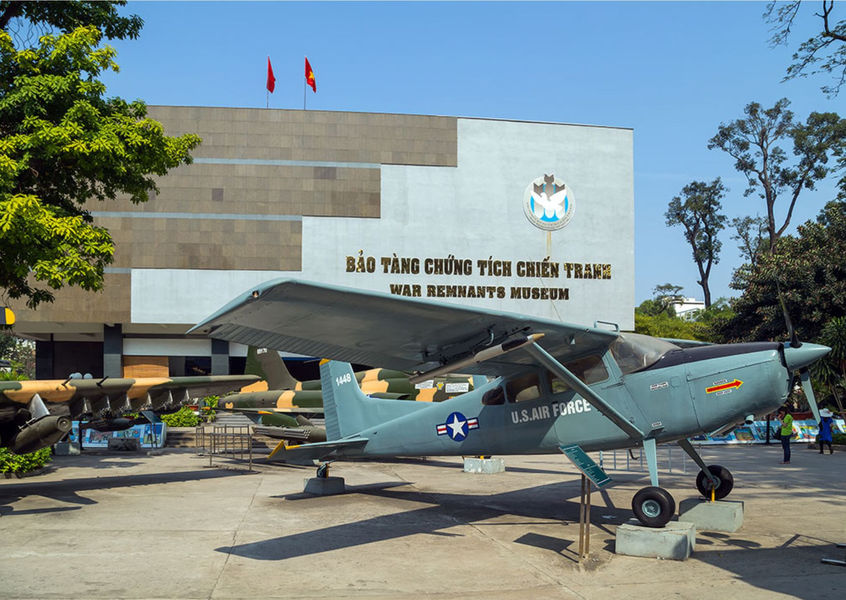
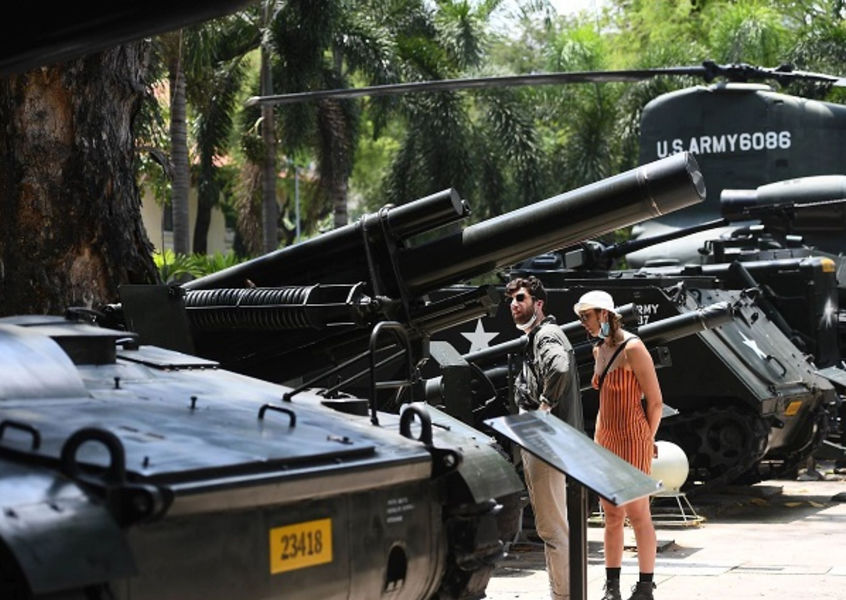
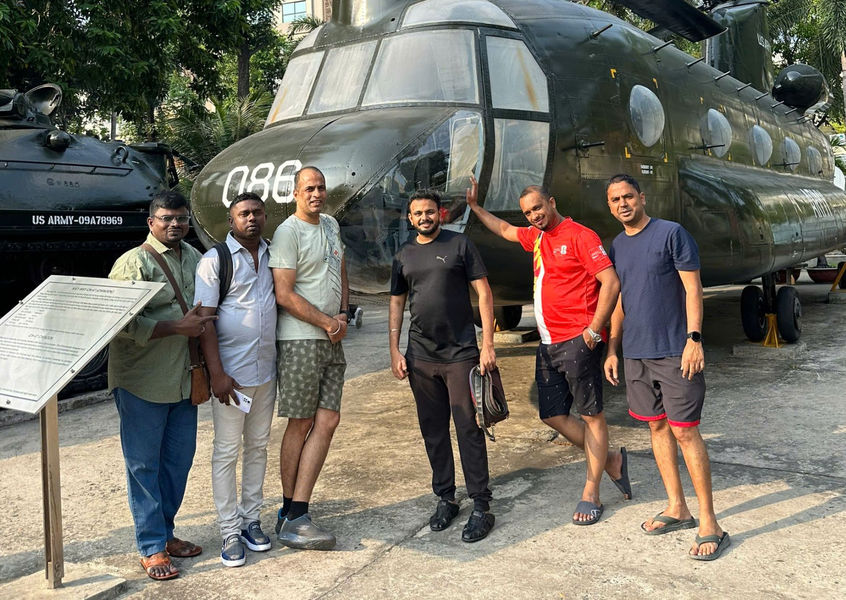
Before entering the main building, spend time in the walled courtyard where captured and decommissioned military hardware sits on open display. A UH-1 Huey helicopter, an F-5A fighter jet, an M48 Patton tank, and an A-1 Skyraider are arranged across the grounds, giving visitors a physical sense of scale that photographs inside the museum can’t fully convey.
4.2. View the Requiem photography exhibit
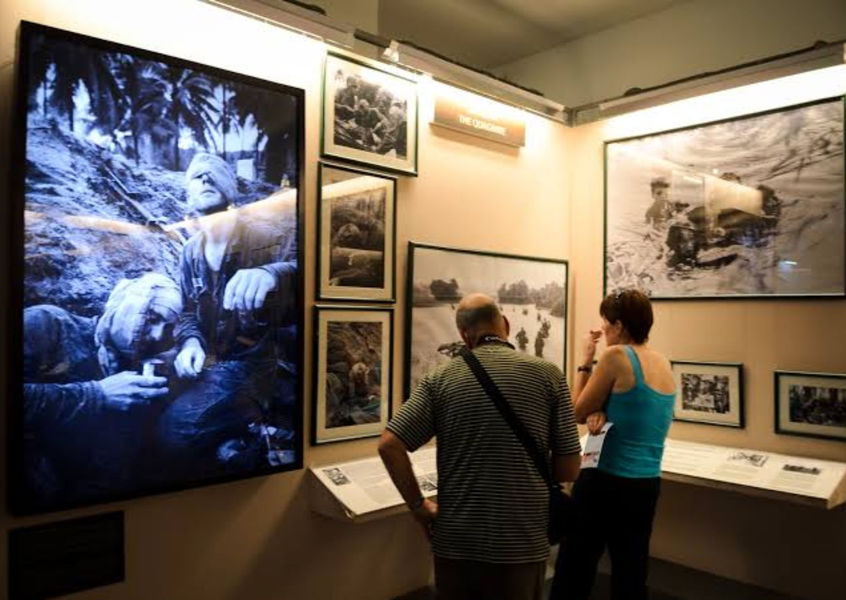
Head to the upper floor for the Requiem exhibit, widely regarded as the museum’s most affecting section. It showcases work from 134 war correspondents of 11 different nationalities who lost their lives covering the Vietnam War, offering a firsthand visual record of the conflict from those who documented it up close.
4.3. Study the Agent Orange exhibit
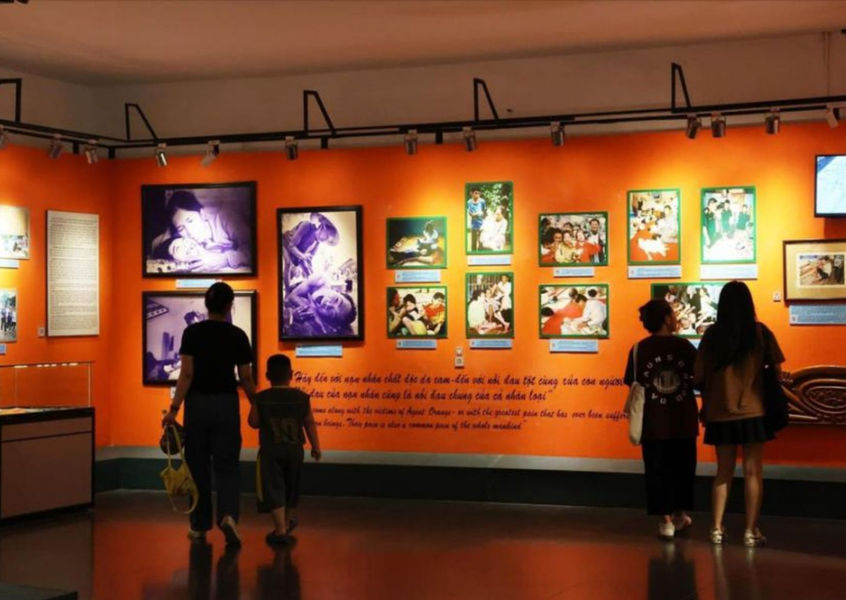
This room documents the long-term health effects of chemical warfare through photographs and case studies that span multiple generations of Vietnamese families. It’s one of the most graphic sections of the museum, and travelers sensitive to disturbing imagery should be prepared before entering.
4.4. Explore the war crimes and weaponry rooms
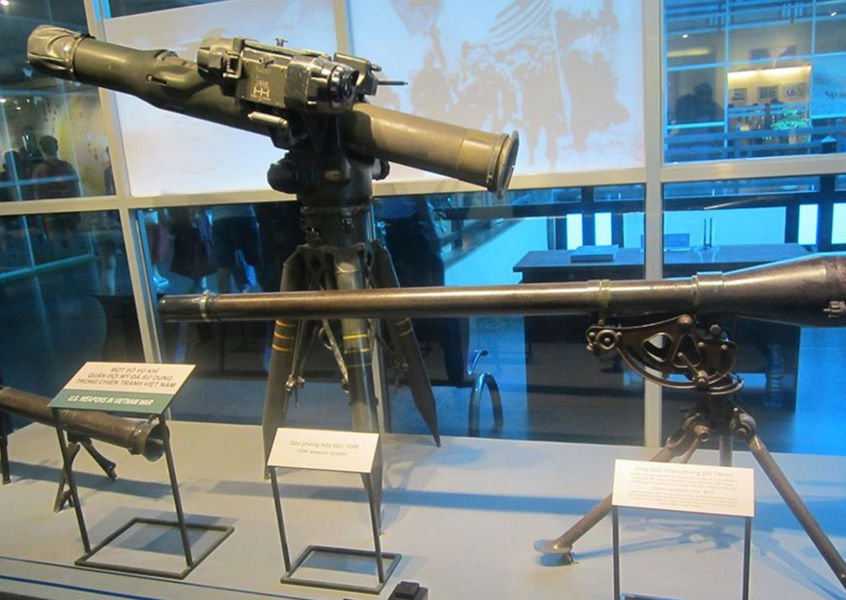
Several rooms on the ground and middle floors display captured weapons, wartime propaganda materials, and photographic documentation of specific events during the conflict. These exhibits give context to the political and military history behind the artifacts seen elsewhere in the museum.
4.5. Trace the historical timeline rooms
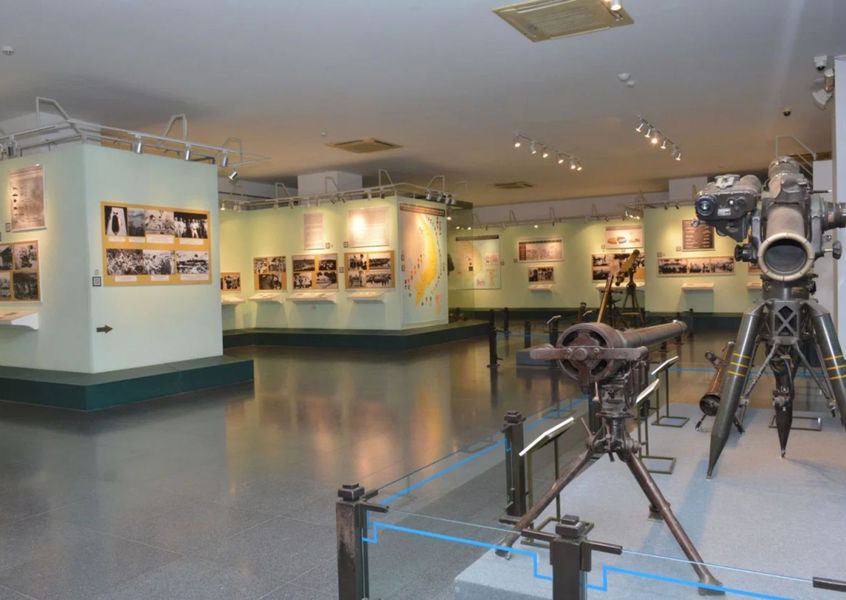
For visitors who want the fuller historical arc, dedicated timeline rooms walk through Vietnam’s history from the First Indochina War with France through to post-1975 reunification. This section helps tie together the individual exhibits into a single narrative of the country’s path to independence.
4.6. Photograph the courtyard displays
The tanks, aircraft, and armored vehicles in the outdoor courtyard are a popular stop for travelers wanting a visual keepsake of the visit. This area is also generally more comfortable for families, since it sits outside the more graphic indoor exhibits.
4.7. Browse the on-site shop
Before leaving, the museum’s small shop offers books, postcards, and souvenirs related to Vietnam’s wartime history, giving visitors one last chance to take home something tied to what they’ve just seen.
Keep in mind that the museum presents these exhibits from the Vietnamese government’s perspective, and several sections, particularly the Agent Orange room and war crimes displays, contain graphic imagery. Setting this expectation with clients beforehand helps them plan their time inside more comfortably.

5. Is It Suitable for Children and Sensitive Travelers?
Several exhibits, particularly the Agent Orange room and sections featuring war casualties, contain graphic imagery that is not appropriate for young children or travelers sensitive to disturbing content. The outdoor courtyard with tanks and aircraft is generally fine for families, and many guides suggest keeping children to the ground floor and courtyard while adults explore the upper-floor exhibits. Tour operators handling family bookings should flag this clearly at the itinerary-planning stage rather than leaving clients to discover it on-site.
6. Best Time to Visit
Early morning, shortly after the 7:30 AM opening, offers the smallest crowds and coolest temperatures, since the museum has limited air conditioning in some areas. Weekdays are consistently quieter than weekends. For seasonal planning, the cooler, drier months from December to March make the visit more comfortable given Ho Chi Minh City’s heat and humidity.
7. Combine With Nearby Attractions
Because of its central location, the War Remnants Museum pairs naturally with several other Ho Chi Minh City sights on the same half-day or full-day circuit.
A common combination includes the War Remnants Museum, Independence Palace, the Central Post Office, and Notre-Dame Cathedral Basilica of Saigon, all within a compact walkable area of District 1 and District 3. For a longer day, many operators extend the itinerary to include the Cu Chi Tunnels, located roughly two hours outside the city center, pairing the museum’s photographic history with the tunnels’ hands-on wartime experience.
8. For Travel Agents and Tour Operators: Building the War Remnants Museum Into Vietnam Itineraries
For B2B partners assembling Vietnam programs for international clients, the War Remnants Museum functions as more than a checkbox attraction. It anchors the historical and cultural credibility of a Ho Chi Minh City itinerary and works well across several traveler segments.
For standard leisure groups, allocate 1.5 to 2 hours within a half-day Ho Chi Minh City city tour, pairing it with Independence Palace and the Notre-Dame Cathedral Basilica of Saigon for a compact, walkable morning circuit.
For history-focused or special-interest groups, extend the visit to 2.5 hours and combine it with a full-day Cu Chi Tunnels excursion, giving travelers both the photographic and physical dimensions of the Vietnam War.
For MICE and corporate groups, the museum works as a structured cultural add-on before or after conference sessions, though group operators should coordinate entry timing in advance to avoid tour-bus congestion during midday peak hours.
For family bookings, flag the graphic content in pre-departure materials and consider routing families through the courtyard and ground floor first, saving the option to skip the Agent Orange exhibit for younger travelers.
As a licensed inbound destination management company, Viet Dan Travel handles ground logistics for this and other Ho Chi Minh City attractions daily, including group ticketing, guide coordination, and itinerary sequencing that accounts for crowd patterns, weather, and traveler sensitivities. Agents building custom Vietnam programs are welcome to request current rates and availability directly rather than relying on published OTA pricing, which can lag behind on-the-ground changes.
9. Frequently Asked Questions
Is the Ho Chi Minh War Museum the same as the War Remnants Museum?
Yes. “Ho Chi Minh War Museum” is an informal name travelers use in search, but the official English name is the War Remnants Museum, located in District 3, Ho Chi Minh City.
How much does it cost to visit the War Remnants Museum in 2026?
Adult admission is approximately 40,000 VND, around USD 1.6, with free entry for children under 6. Confirm current pricing before finalizing group bookings, as rates can be adjusted by the museum administration.
How long should I plan to spend at the War Remnants Museum?
Most independent travelers spend between 1.5 and 2.5 hours. History enthusiasts and photographers often stay longer to read every exhibit panel in detail.
Is the War Remnants Museum appropriate for children?
The outdoor courtyard with military vehicles is generally suitable for kids, but several indoor exhibits, especially the Agent Orange room, contain graphic content better suited to teenagers and adults.
Can I visit the War Remnants Museum without a guided tour?
Yes. English signage throughout the museum is clear, and independent travelers can navigate the exhibits without a guide. Group operators often include a guide to add historical context and manage timing for larger parties.
What is the best time of day to visit the War Remnants Museum?
Early morning shortly after the 7:30 AM opening offers the smallest crowds and more comfortable temperatures, since parts of the museum rely on fans rather than air conditioning.
Can the War Remnants Museum be combined with the Cu Chi Tunnels in one day?
Yes, though it makes for a full day. Many operators schedule the War Remnants Museum in the morning as part of a central city tour, then head to the Cu Chi Tunnels, about two hours outside the city, in the afternoon.
Planning a Ho Chi Minh City itinerary for your clients or a MICE group? Viet Dan Travel handles ground arrangements, group ticketing, and guided tours for the War Remnants Museum and other central Ho Chi Minh City attractions as a licensed inbound destination management company. Reach out for current group rates and itinerary support.