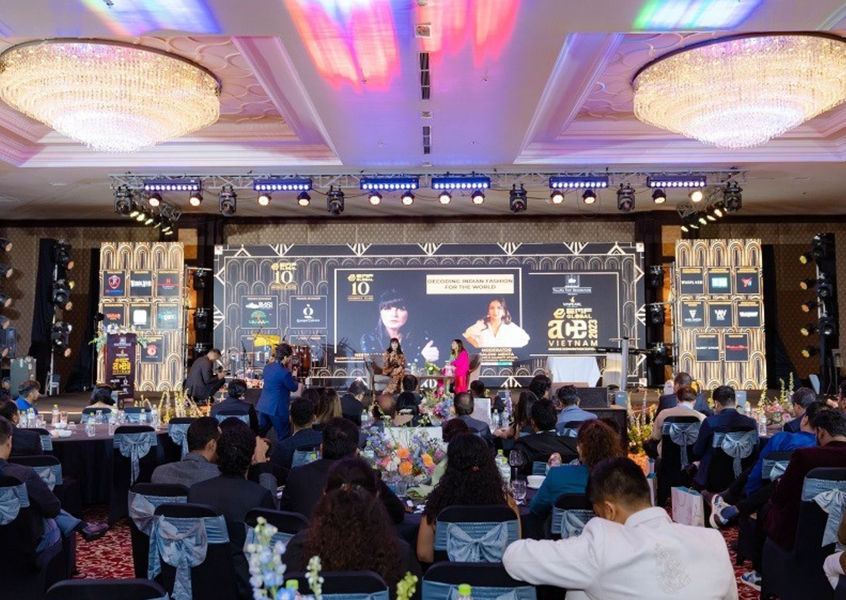
Planning a MICE event in Vietnam involves more moving parts than most first-time planners expect: city selection, venue holds, ground transport, dietary logistics, and delegate visas all need to align on a single timeline. For travel agents and corporate planners advising international clients, getting this sequence right the first time is what separates a smooth program from a last-minute scramble. This guide breaks the process into eleven concrete steps, with the timing, city comparisons, and delegate-specific considerations that most planning guides skip.
Step 1: Define Event Objectives, Format, and Group Size
Before any venue conversation starts, lock down what the event actually needs to achieve. A leadership offsite, a regional sales kickoff, an incentive trip, and a trade exhibition each pull toward different cities, venue types, and program structures in Vietnam. Group size matters just as much as format: a 40-person incentive group has access to boutique resorts and villa buyouts that a 1,000-delegate conference cannot use, while a large conference needs a city with genuine convention-center capacity and enough 4-5 star room inventory in one location. Agents should capture objectives, expected headcount, and whether the program is business-led, incentive-led, or a hybrid before requesting any quotes.
Step 2: Set the Planning Timeline
Vietnam MICE programs fail most often when decisions get made out of order. As a general rule, large-scale conferences and exhibitions need 6 to 12 months of lead time, while smaller incentive groups under 100 people can often be planned in 3 to 4 months if the dates are flexible.
| Timeframe before event | What to lock in |
| 9-12 months | Objectives, group size, budget envelope, shortlist of cities |
| 6-9 months | Venue and hotel holds, preliminary quotes from DMC/suppliers |
| 4-6 months | Signed venue and hotel contracts, transport and F&B vendor confirmation |
| 2-3 months | Final program design, visa processing for delegates, rooming list |
| 2-4 weeks | Final headcount, on-site logistics briefing, contingency plans confirmed |
Note: Two Vietnam-specific dates deserve attention early: Tet (Lunar New Year, typically late January to mid-February) shuts down much of the country’s hospitality and events capacity for roughly a week and should be avoided entirely, and the September to December window is peak MICE season nationwide, which compresses hotel and venue inventory fast. Booking outside this compressed window, or securing holds well in advance if the dates are fixed, protects both availability and rate.
Step 3: Choose the Right City for Your Event Type
City choice in Vietnam should follow event format, not general popularity. Each of the four main MICE cities has a distinct strength profile.
| City | Best for | Key strength | Consideration |
| Ho Chi Minh City | Business-led conferences, corporate meetings | Largest venue and 5-star hotel inventory, strongest international flight connectivity via Tan Son Nhat Airport | Traffic and venue costs are the highest of the four cities |
| Hanoi | Institutional events, government-adjacent programs, cultural-heritage incentive trips | Formal, historic setting; strong for programs wanting an institutional tone | Fewer large-capacity purpose-built convention venues than HCMC |
| Da Nang | Incentive trips, resort-integrated conferences, mid-size events (100-350 delegates) | Beachfront convention infrastructure (e.g., large-capacity centers directly on the coast), best value at the 5-star tier | Weather-sensitive outdoor programming from November to January |
| Nha Trang | Beach-based incentive and wellness-themed programs | Resort density and coastal activity options | Fewer direct international flight routes than the other three |
For programs combining a business agenda with a leisure or incentive component, Da Nang and Ho Chi Minh City are the two most common pairings, since both allow a conference day followed by resort-based team activities without relocating the group.
Step 4: Set the Budget Envelope
Vietnam’s cost advantage over regional competitors is real, but budget planning still needs local nuance. Hotel class, venue tier, and F&B standard set the cost floor for the entire program, so this decision should happen before venue shortlisting, not after. As a directional guide, expect meeting space and 4-5 star accommodation costs to run meaningfully below equivalent programs in Bangkok or Singapore, though exact figures should always be confirmed through a live quote request rather than published averages, since rates shift with season and group size.
Step 5: Venue and Hotel Selection
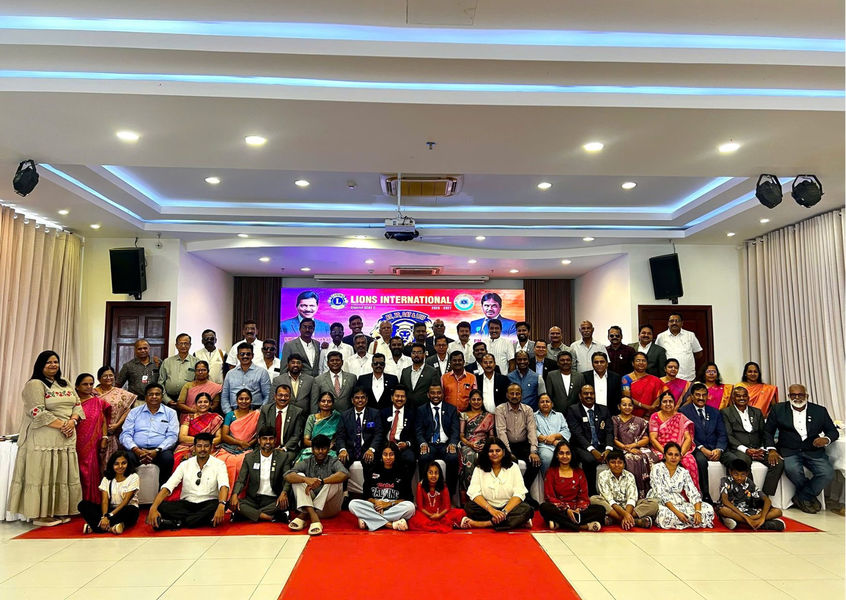
Venue scouting in Vietnam should weigh capacity, floor space, technical readiness (AV, connectivity, breakout room configuration), and proximity to hotel blocks. Purpose-built convention centers and high-end hotels with in-house event teams typically offer the smoothest experience for first-time planners, since they bundle meeting space, catering, and AV under one point of contact. For groups above 300 delegates, confirm early whether a single hotel can hold the full room block, or whether the program will need overflow properties with reliable shuttle transport between them.
Step 6: Ground Logistics and Transport Coordination
Airport transfers, inter-city transport, and daily shuttle logistics are where MICE programs in Vietnam most often lose time if not planned early. For multi-city itineraries or programs bringing delegates from several countries and time zones, build buffer time into the arrival and departure schedule rather than assuming tight connections will hold. Vehicle capacity, driver licensing for tour groups, and coach availability during peak season should be confirmed alongside the venue contract, not treated as a separate afterthought.
Step 7: Program Design
A strong MICE program in Vietnam pairs the core business agenda with activities that use the destination itself, not generic hotel-ballroom filler. Gala dinners in colonial-era venues, team-building activities tied to local culture (cooking classes, cyclo tours, community-based experiences), and short excursions to nearby landmarks all add perceived value without extending the trip significantly. Respecting Vietnamese business etiquette and public holidays when scheduling is a small detail that experienced ground partners typically flag automatically.
Step 8: Catering and Dietary Planning
Catering requirements deserve early, explicit briefing rather than a generic “special diets available” line in the RFP. This matters in particular for groups from India, where a meaningful share of delegates may require pure vegetarian or Jain meal options (no root vegetables, no onion or garlic), separate cooking equipment to avoid cross-contamination, and clearly labeled buffet stations. Halal requirements for delegates from the Middle East and Southeast Asia follow a similar pattern: confirm certified halal catering availability at the specific venue, not just at the city level, since certification varies hotel by hotel. Flagging these needs at the venue-shortlisting stage, rather than after signing, avoids costly last-minute kitchen changes.
Step 9: Visa and Entry Requirements for Delegates
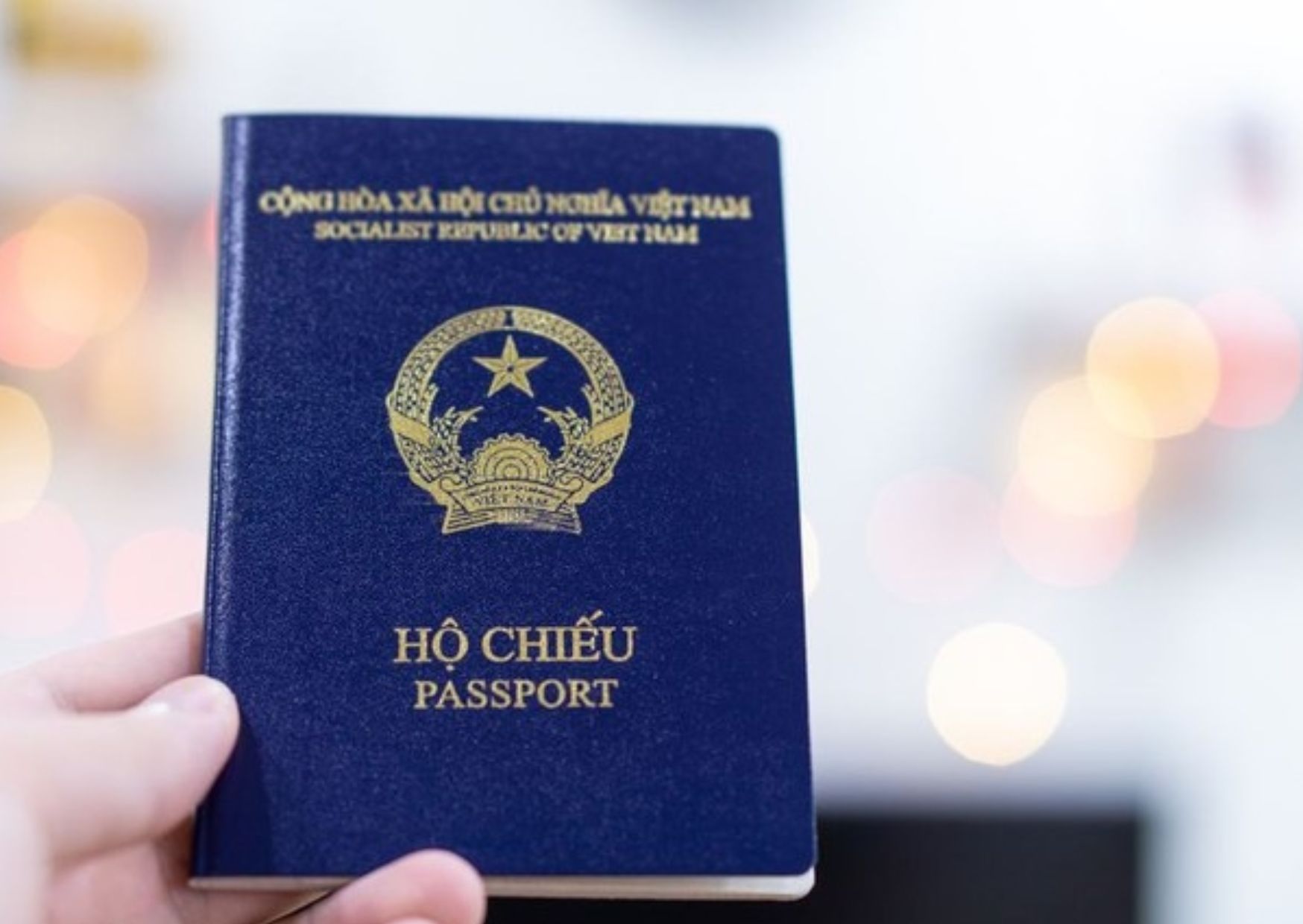
Delegate visa requirements vary significantly by passport, and this step is frequently left too late. Many nationalities, including Indian passport holders, can use Vietnam’s e-visa system, which generally requires processing time of several business days but is best submitted at least 2-3 weeks before travel to allow for delays. For larger groups, agents should collect passport details early and build visa processing into the same timeline as the rooming list, since visa issues are one of the most common causes of last-minute delegate drop-offs.
Step 10: Choosing a Local Ground Partner (DMC) vs. Self-Planning
International planners handling logistics remotely, without a Vietnam-based partner, generally lose negotiating leverage on rates, take longer to resolve on-the-ground issues, and have less visibility into venue quality before arrival. A local Destination Management Company (DMC) brings established supplier rates, direct venue relationships, and multilingual on-site staff who can resolve issues in real time rather than through email chains across time zones. For agents managing MICE requests on behalf of corporate clients, working with a DMC that operates purely on the ground execution side, rather than one competing as a retail tour operator, keeps the agent’s client relationship and commercial terms intact while the DMC handles logistics, contracting, and on-site delivery.
Step 11: On-Site Execution and Risk Management
Even a well-planned program needs contingency built in. Weather-sensitive outdoor activities, particularly in Da Nang and Nha Trang during the November-January rainy window, should always have a contracted indoor backup, and venue contracts should include clear cancellation and weather clauses negotiated in advance rather than discovered during a disruption. On-site, a dedicated operations coordinator who can make real-time decisions on transport delays, catering adjustments, or program changes is what typically separates a program that recovers smoothly from one that stalls.
Frequently Asked Questions
How far in advance should I plan a MICE event in Vietnam?
Large conferences and exhibitions need 6 to 12 months of lead time to secure venues and hotel blocks. Smaller incentive groups under 100 delegates can sometimes be planned in 3 to 4 months if the travel dates are flexible and avoid peak season.
Which Vietnamese city is best for a MICE event?
Ho Chi Minh City suits business-led conferences with the largest venue inventory, Da Nang suits resort-integrated incentive trips and mid-size events, Hanoi suits institutional or heritage-themed programs, and Nha Trang suits beach-based incentive travel.
What is the best time of year for a MICE event in Vietnam?
March to August generally offers the most stable weather across central and southern Vietnam, while September to December is peak MICE booking season nationwide, meaning higher demand for venues and hotel rooms. Lunar New Year (Tet), typically late January to mid-February, should be avoided entirely due to widespread business closures.
Do I need a local DMC to plan a MICE event in Vietnam?
It is not legally required, but a local DMC provides negotiated supplier rates, direct venue access, and on-the-ground problem-solving that remote planning cannot easily replicate, particularly for groups over 100 delegates or multi-city itineraries.
Can Indian delegates get a visa on arrival or e-visa for Vietnam?
Indian passport holders are generally eligible for Vietnam’s e-visa system. Processing typically takes several business days, so agents should submit applications at least 2-3 weeks before travel for group bookings to avoid delays affecting the delegate list.
Behind every step in this process is ground execution: contracted venues, confirmed transport, and a briefed operations team on the day. Viet Dan Travel works exclusively on that ground-operations side for international travel agencies and MICE planners, handling the logistics, supplier network, and on-site coordination across Hanoi, Ho Chi Minh City, Da Nang, and beyond, while agents retain the client relationship.