Vietnam has become one of Southeast Asia’s most requested destinations for incentive travel, and the reason is variety: a single country delivers vibrant cities, UNESCO coastlines, imperial heritage, and mountain retreats without forcing planners to compromise on any one experience. For agents and corporate travel buyers building a reward program, the real question isn’t whether Vietnam works, it’s which Vietnam incentive destination fits the group’s size, season, and objective.
What Makes a Destination Ideal for Incentive Travel in Vietnam?
A destination earns a place on an incentive shortlist when it satisfies five operational criteria at once, not just visual appeal. Venue capacity determines whether a destination can host the group’s gala dinner or awards ceremony without splitting the program across venues. Hotel inventory at 4–5 star level determines whether the group can be housed together, which matters for program cohesion. Flight access and transfer time determine how much of the trip is spent traveling versus experiencing. Activity range determines whether the program can deliver both team-building and leisure moments. Seasonal suitability determines whether weather risk threatens the outdoor components of the itinerary.
Planners who evaluate a destination against all five factors rather than choosing based on photos alone, avoid the most common incentive-planning mistake: booking a beautiful resort that cannot actually support the group’s gala or activity requirements.
Top Vietnam Incentive Destinations at a Glance
| Destination | Best group size | Signature experience | Best months | Flight access |
| Ho Chi Minh City | Up to 4,000+ (large conference venues) | Rooftop gala dinners, corporate-social dining | Nov–Apr (dry season) | Major international hub |
| Hanoi | Up to 1,000+ | Old Quarter culture, French colonial venues | Oct–Apr | Major international hub |
| Da Nang | Up to 2,500 (Ariyana Convention Centre) | Beach resort + Golden Bridge day trip | Feb–Aug | International + domestic hub |
| Hoi An | Under 300 (boutique) | Lantern-lit Ancient Town, tailor experiences | Feb–Aug | Via Da Nang airport |
| Ha Long Bay | Cruise-dependent, 200–400 | Overnight cruise, kayaking, karst islands | Oct–Apr | Via Hanoi + 2.5 hr transfer |
| Phu Quoc | Up to 1,000+ (JW Marriott, Grand World) | 30-day visa-free island, beach resorts | Nov–Apr (dry season) | Direct international/domestic flights |
| Nha Trang | Up to 800 | Beachfront resorts, island team-building | Jan–Aug | Direct domestic + regional flights |
| Da Lat | Under 100–150 | Pine forests, coffee farms, temperate climate | Year-round | Domestic only (via HCMC/Hanoi) |
| Hue | Under 500 | Imperial Citadel, royal-themed team-building | Feb–Aug | Domestic + limited international |
| Ninh Binh | Under 300 | Trang An boat rides, karst landscapes | Oct–Apr | Via Hanoi + 2 hr transfer |
Ho Chi Minh City: Vietnam’s Large-Group Incentive Hub
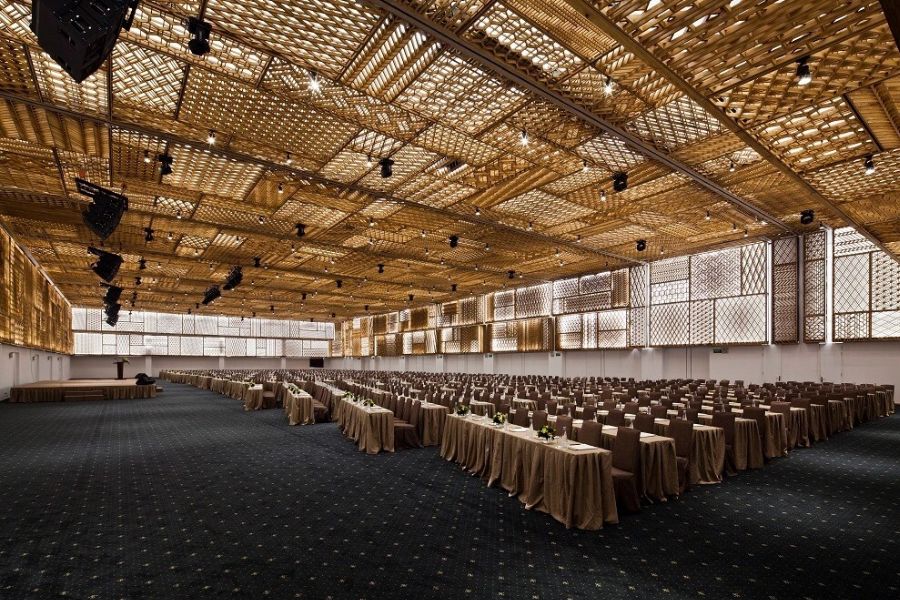
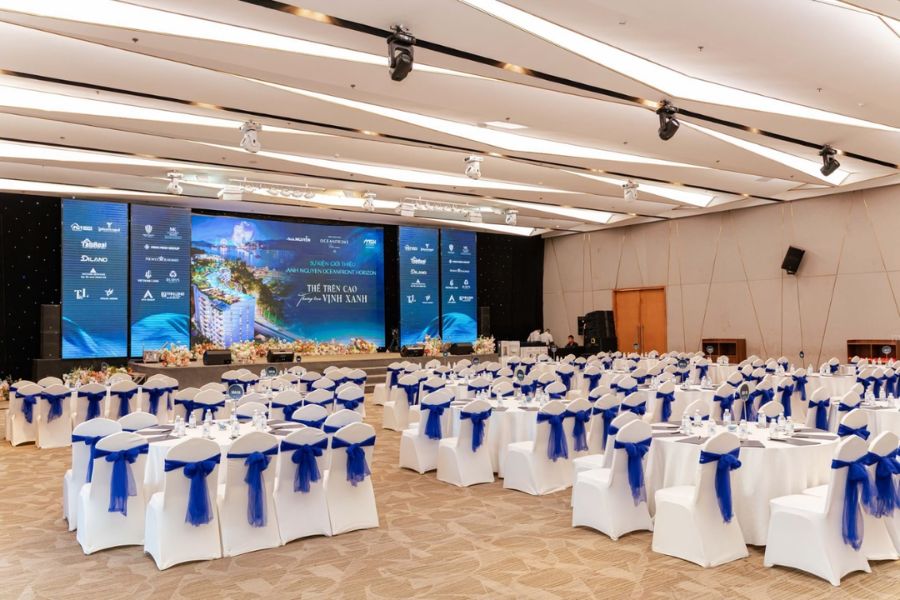
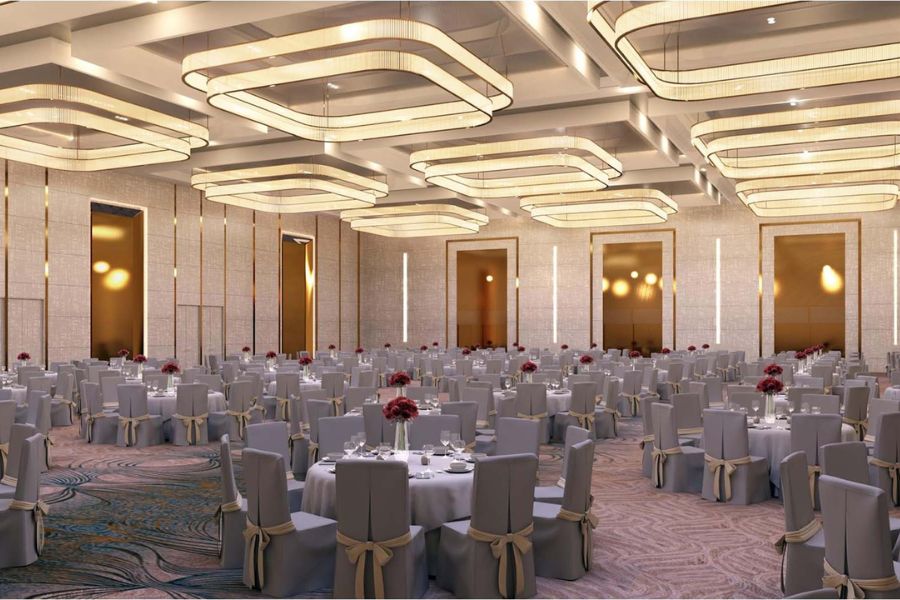
Ho Chi Minh City functions as the default choice when a program needs conference-scale capacity combined with an international airport gateway. Venues such as the GEM Center support gala dinners for up to roughly 4,000 attendees, which makes the city one of the few in Vietnam able to host very large incentive groups without splitting the program. Beyond the ballroom, the city’s rooftop bars, Saigon River dinner cruises, and District 1 corporate-social dining scene give planners a strong urban reward experience to pair with daytime team-building at venues such as the Cu Chi Tunnels or Mekong Delta day trips.
Hanoi: Culture, History, and Conference Infrastructure Combined
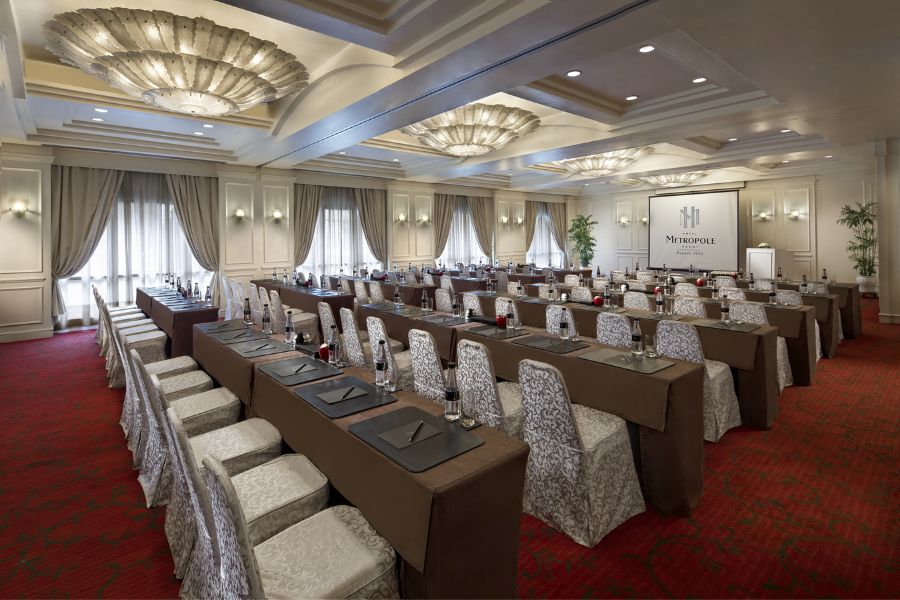
As Vietnam’s capital, Hanoi pairs the Old Quarter’s “36 ancient streets,” Hoan Kiem Lake, and the Temple of Literature with a growing base of 5-star hotels and international conference centers which is a combination that supports programs blending a business session with cultural immersion. Hanoi also works as the natural gateway leg for any program that includes a Ha Long Bay cruise extension, since the two destinations are commonly programmed together.
Da Nang: The Balanced Beach-and-Convention Destination
Da Nang, often called Vietnam’s most livable city, is one of the few Vietnam incentive destinations that offers true convention-scale capacity and beach resort inventory in the same location. The Ariyana Convention Centre can host galas for roughly 2,500 attendees, while beaches such as My Khe and Non Nuoc sit minutes from 5-star resort clusters. A day trip to the Golden Bridge at Ba Na Hills adds a highly photographable, shareable moment that performs well as a program highlight.
Hoi An: The Boutique, High-Emotion Add-On
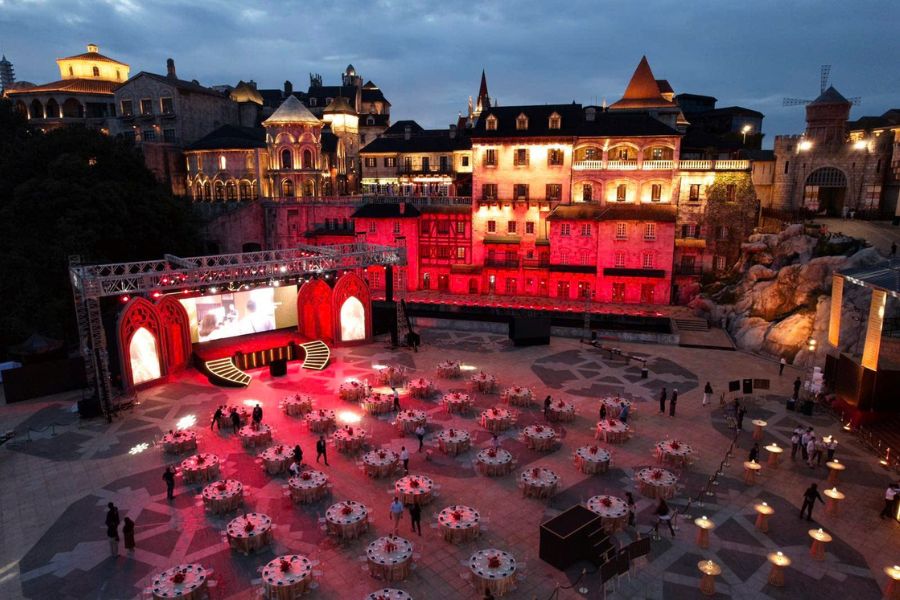
Hoi An suits smaller incentive groups seeking an emotionally memorable evening rather than large-scale production. The Ancient Town’s lantern-lit riverside setting, tailor-made suit and dress experiences, and cooking classes make it a strong 1–2 night cultural module, typically added onto a Da Nang-based program rather than booked as a standalone destination.
Ha Long Bay: The Non-Negotiable Bucket-List Module
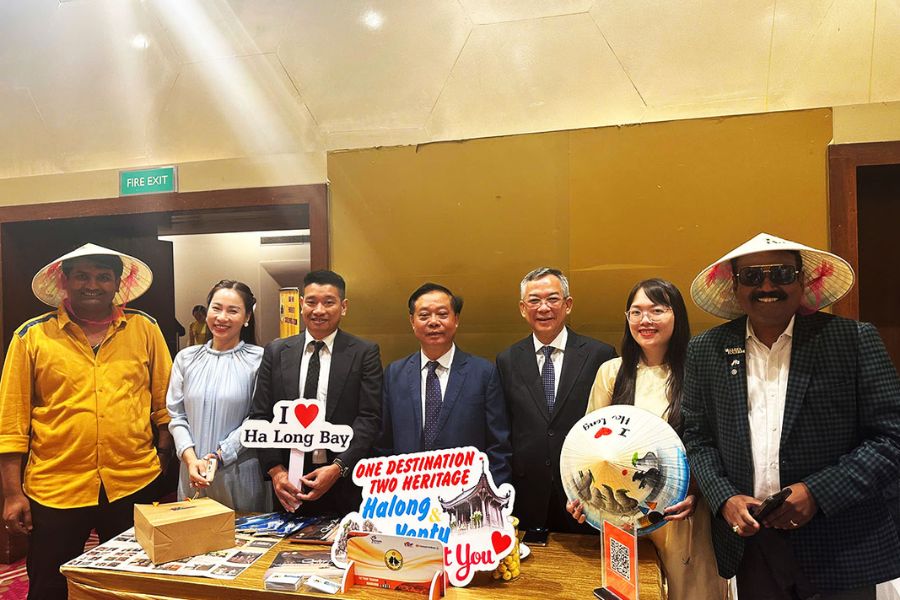
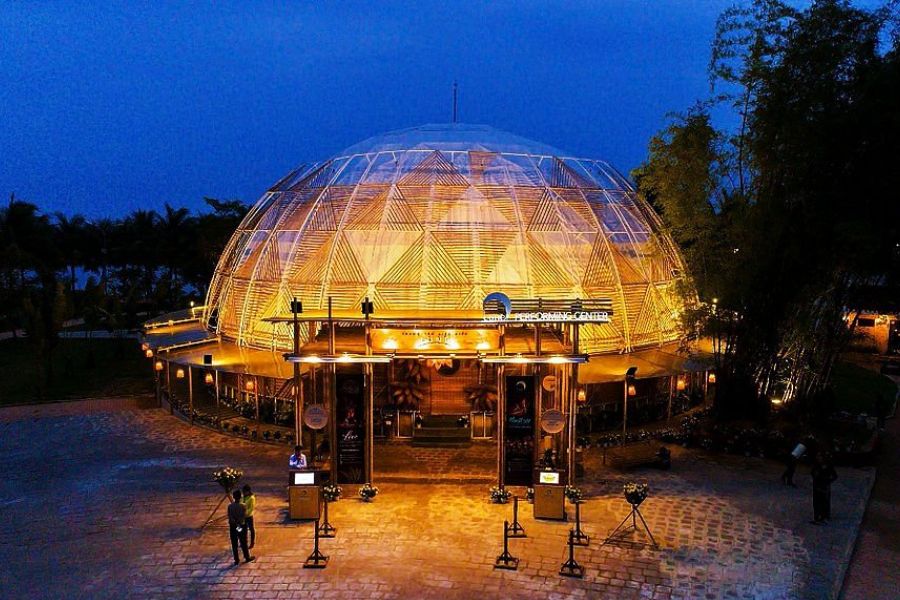
An overnight cruise through Ha Long Bay, a UNESCO World Heritage Site recognized three times for its geological value remains the single most requested “wow moment” in Vietnam incentive programs. Thousands of limestone karst islands rising from turquoise water create an immersive, highly photogenic setting that performs well in post-trip recognition content shared with attendees and leadership. Because cruise capacity is inherently limited per vessel, groups above roughly 400 pax typically need multiple boats, which planners should account for in early-stage budgeting.
Phu Quoc: The Resort-Led Reward Island
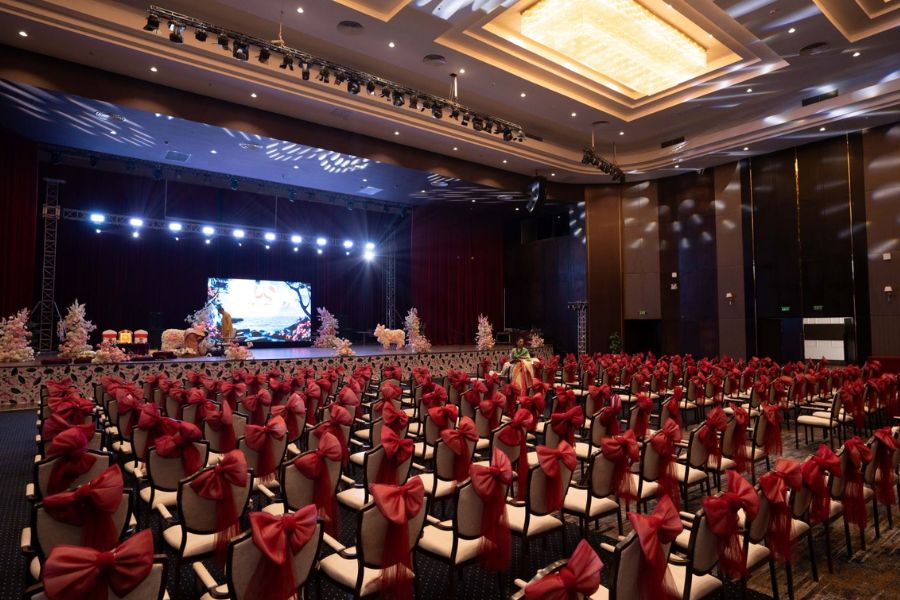
Phu Quoc has become one of Vietnam’s fastest-growing incentive destinations thanks to a 30-day visa-free entry policy for the island specifically (separate from mainland visa rules), an expanding roster of international resort brands including JW Marriott, and large-scale entertainment infrastructure at Grand World and Sun World. The island suits programs where the reward objective is relaxation and beach leisure rather than cultural immersion or urban dining.
Nha Trang: Established Beach Infrastructure with Island Activities
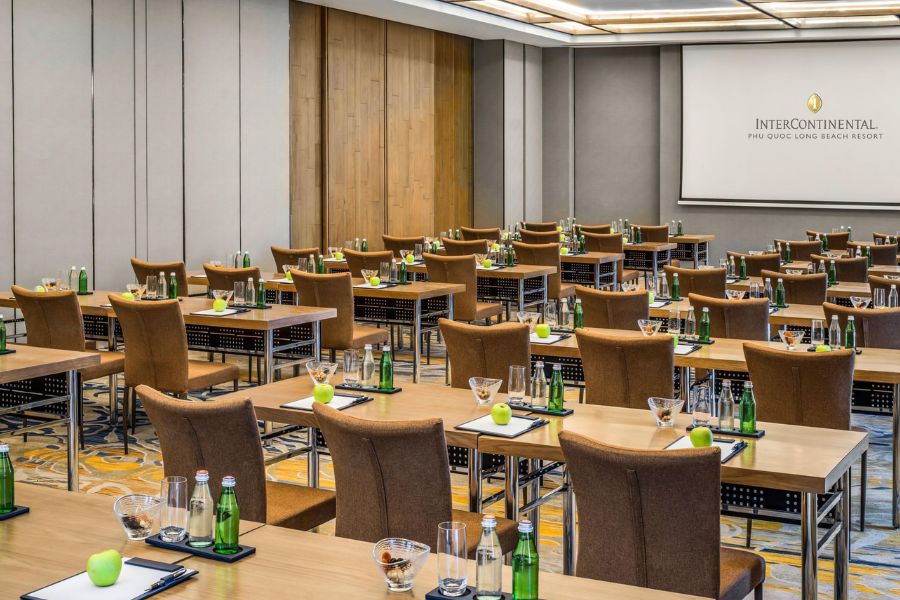
Nha Trang offers a more established beach resort base than Phu Quoc, with direct access to nearby islands for snorkeling, watersports, and island team-building days. It works well for mid-sized groups seeking a beach reward format without the longer transfer times associated with newer coastal destinations.
Da Lat: The Small-Group Executive Retreat
Da Lat’s temperate climate (15–25°C year-round), pine forests, and French-colonial architecture make it Vietnam’s clearest departure from the tropical-beach format. Programs here typically include countryside cycling through flower farms and coffee plantations, canyoning at Datanla Falls, and gala dinners in restored colonial villas. Because hotel and venue inventory is smaller than in coastal cities, Da Lat suits groups under roughly 100–150 pax or functions as a 2–3 night extension within a larger multi-destination program.
Hue: The Imperial Culture Module
Hue’s UNESCO-recognized Imperial City and its reputation for peaceful, top-tier service make it a strong cultural incentive module, typically programmed for 1–2 nights. Distinctive activities include exploring the Imperial Citadel, royal-themed team-building exercises, and sampling “Cơm Vua” (King’s Meal) royal cuisine, details that give agents a specific, non-generic story to pitch to corporate clients.
Ninh Binh: The Emerging Nature-and-Heritage Alternative
Ninh Binh, roughly two hours from Hanoi, has grown into a credible alternative or complement to Ha Long Bay for planners seeking karst scenery without the cruise logistics. A Trang An boat ride through limestone caves and rice paddies delivers a comparable visual impact for a fraction of the transfer and vessel-capacity constraints, making it a practical fit for time-limited multi-city programs.
How Do You Combine Destinations Into a Multi-City Vietnam Incentive Program?
Two-destination programs consistently outperform three-destination programs on planner and participant satisfaction, because each additional city adds transfer time, luggage handling, and recovery friction without a proportional increase in perceived reward value. The pairings that work most reliably combine a business or urban base with a leisure or nature-led extension: Ho Chi Minh City with Phu Quoc, or Hanoi with Ha Long Bay. Groups with a strong cultural objective can substitute Hue or Hoi An for the beach leg, typically as an add-on to a Da Nang base rather than a third full city.
How Much Does a Vietnam Incentive Trip Cost?
Vietnam incentive programs typically run in the range of roughly $120–$500+ per person, per day, depending heavily on hotel star rating, which accounts for the largest share of total program cost. Gala production, staging, entertainment, and themed décor are usually the second-largest cost driver, followed by transport complexity when a program spans multiple cities or includes a cruise connection. Compared with established MICE hubs such as Singapore, Vietnam incentive programs commonly land 25–40% lower on a like-for-like basis, which is one of the country’s core competitive advantages for budget-conscious corporate buyers.
Do Incentive Groups Need a Visa to Enter Vietnam?
Visa requirements depend on nationality. As of 2026, citizens of more than 80 countries can apply for a 90-day, multiple-entry e-visa online for a 25 USD fee, with approval typically issued within 3–5 working days. This is a practical option for groups combining Vietnam with a neighboring country such as Cambodia or Laos. Separately, citizens of many European countries, including Germany, France, Italy, Spain, the United Kingdom, Japan, and South Korea, currently qualify for 45-day visa-free entry under resolutions effective through 2028. Phu Quoc additionally offers its own 30-day visa exemption for eligible nationalities, independent of the mainland policy. Given that requirements vary by passport, agents should confirm each attendee’s specific entry pathway at least 4–6 weeks before departure.
FAQs
What is the best Vietnam incentive destination for a group over 500 people?
Ho Chi Minh City and Da Nang are the two Vietnam incentive destinations with confirmed gala venue capacity above 500 attendees, making them the default choices for large-group programs.
What is the best time of year for a Vietnam incentive trip?
November through April covers the dry season across most of central and southern Vietnam, including Ho Chi Minh City, Phu Quoc, Hanoi, and Ha Long Bay, making it the most weather-reliable window for programs with outdoor components.
Can Da Lat host a large incentive group?
Da Lat is best suited to groups under roughly 100–150 people, or as a 2–3 night extension within a larger multi-destination program, because its hotel and venue inventory is smaller than coastal or city destinations.
How far in advance should a Vietnam incentive program be planned?
Planning timelines generally range from 3 to 18 months depending on group size, with larger programs (300+ pax) requiring the longer end of that range to secure venue holds and hotel blocks.
Choosing the right Vietnam incentive destination is only the first decision, translating that choice into a program that runs smoothly on the ground requires a Vietnam DMC in India with direct venue relationships, real-time capacity data, and multi-city logistics experience. As a Vietnam-based destination management company, Viet Dan Travel works directly with agents and corporate travel buyers to match destination, group size, and season to a program that protects both budget and reward experience, with itinerary-ready proposals your clients can act on immediately. If you’re currently scoping a Vietnam incentive program, share your group size and target dates with our team for a tailored multi-city recommendation.