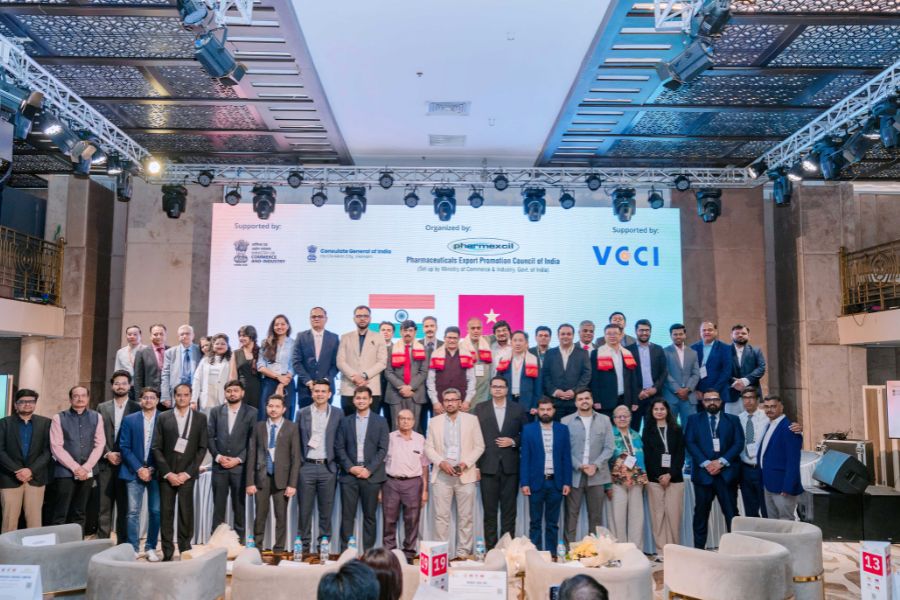
When a sales team hits its target, the reward has to feel bigger than a bonus cheque. Incentive travel in Vietnam gives planners that feeling through cliff-top galas in Da Nang, lantern-lit evenings in Hoi An and private cruises among the limestone islands of Ha Long Bay. The hard part is not choosing a place. It is matching the destination, season and program rhythm to the group, then keeping every arrival, transfer and dinner on schedule. This guide walks through how incentive trips in Vietnam work, where to send different group types, and how to plan one step by step.
1. What Is Incentive Travel in Vietnam?
Incentive travel in Vietnam is a corporate reward trip for top performers, distributors, partners or leadership teams, held in a Vietnamese destination. It is the “I” in MICE (Meetings, Incentives, Conferences and Exhibitions). Its goal is recognition and motivation rather than business output.
A typical incentive program in Vietnam runs 3 to 7 days for groups of roughly 20 to 300 participants. It combines a resort or heritage-hotel base, a welcome dinner, a signature gala, team activities and cultural experiences, with a short recognition session.
Incentive travel differs from a conference in its logic. A conference is built around fixed sessions and tight schedules. An incentive is built around emotional payoff and free time. Treating one like the other is the most common reason reward trips feel like work.
2. Why Vietnam Works for Incentive Groups
Vietnam suits incentive programs for four reasons.
- Variety in one country: Beach resorts, UNESCO heritage sites, highland retreats, and big cities sit within short flights of each other, so one destination can serve very different reward briefs.
- Value diversity: Hotel and service quality are high, and costs stay competitive compared with several regional rivals.
- Connectivity: New international routes and direct flights between multiple Indian and Vietnamese cities have lifted demand from Indian corporates, according to industry voices quoted in a March 2026 trade update.
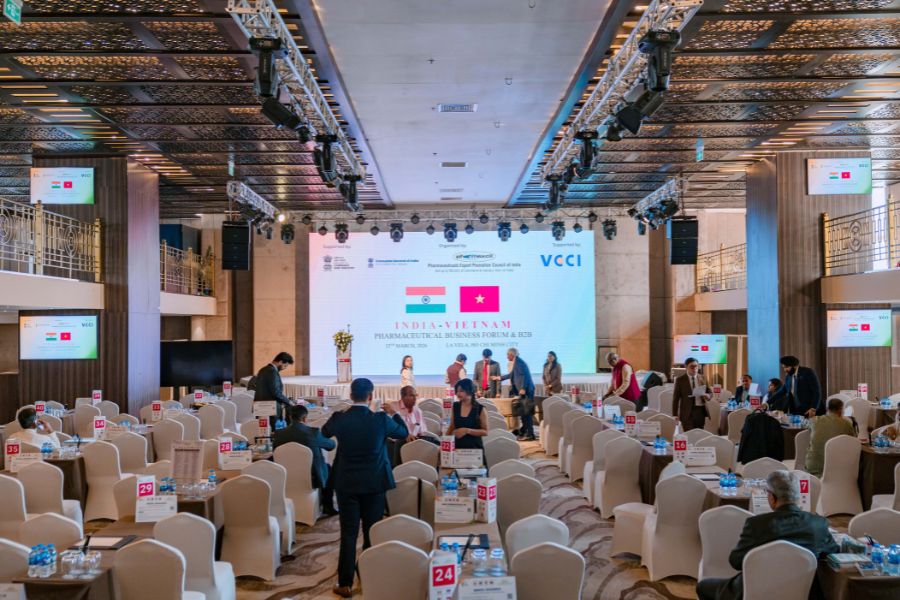
- Momentum: Ho Chi Minh City has been recognized as Asia’s Leading MICE Destination, and Da Nang and Phu Quoc are growing as incentive alternatives.
For Indian companies, Vietnam also fits a broader shift. Corporate buyers increasingly choose destinations for the story and experience they create, not just novelty or price.
3. Vietnam Incentive Destinations at a Glance
| Destination | Best for | Best months | Program feel |
| Da Nang and Hoi An (Central Vietnam) | Beach resort, team building, large galas | February to August | Resort base with an evening in Hoi An Ancient Town |
| Phu Quoc (Southern Vietnam) | Island reward, exclusive retreats | November to March | Beachfront galas and premium resorts |
| Ho Chi Minh City (Southern Vietnam) | Dining-led, urban and corporate hybrids | November to April | Rooftops, river cruises and food circuits |
| Hanoi and Ha Long Bay (Northern Vietnam) | Heritage and signature cruise programs | October to April | Old Quarter culture plus a private bay cruise |
| Hue (Central Vietnam) | Imperial heritage, royal dining | February to May | Cultural, small to mid-size groups |
| Da Lat (Central Highlands) | Highland retreat, nature team building | Year-round | Cool climate, boutique venues |
Each region has a different weather window. Central Vietnam faces typhoon risk from September to November. The North turns hot and wet from May to August. The South has a dry season from November to April. Match the calendar to the destination before you shortlist hotels.
4. Signature Incentive Experiences
Modern incentives in Vietnam are moving beyond sightseeing toward curated experiences. These formats work well.
- Ha Long Bay private cruise. An overnight cruise through the UNESCO-listed bay, with a gala dinner on deck.
- Hoi An lantern evening. A river lantern release and cooking class in the ancient town, followed by a beach gala in Da Nang.
- Royal dinner in Hue. A themed imperial-style banquet that turns heritage into a reward.
- Hanoi cultural night. A water puppet show and Old Quarter walking dinner.
- Adventure modules. Cycling, kayaking or trekking blocks for groups that want activity.
- Mekong Delta half-day. Boat, bicycle or motorbike-sidecar touring, which needs no riding experience.
Good programs leave real free time. The destination should be the experience, not a backdrop between coach transfers.
5. How to Plan an Incentive Trip in Vietnam
- Define the reward objective and the group. Decide who qualifies, group size, seniority mix and what the trip must achieve: recognition, retention, partner loyalty or culture.
- Choose destination and season together. Use the table above. A December gala in Da Nang carries typhoon risk, while the same gala in Phu Quoc is in prime season.
- Book venues and room blocks early. Peak-season resorts can require 8 to 12 months’ notice according to industry guidance for Phu Quoc from November to March. Da Nang’s spring and summer window also fills early, so 6 or more months ahead is a safe planning assumption.
- Lock flights and arrivals. Group arrival timing shapes the first evening. Grouped flights and staggered transfers protect the welcome dinner.
- Handle visas. See the next section. Start well before departure.
- Design the program rhythm. Balance one hero moment (the gala) with lighter experiences, free time and one short recognition session.
- Plan dietary needs. Indian groups often need vegetarian, Jain or halal-friendly options. Confirm these with every venue and cruise operator in writing.
- Build a wet-weather plan. Every outdoor gala needs a covered alternative.
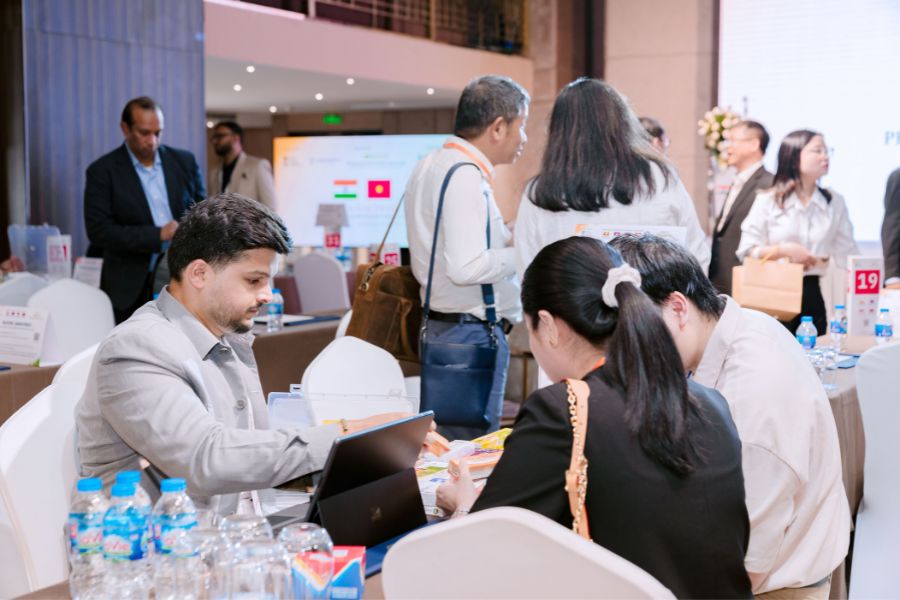
- Appoint on-ground support. Multi-bus movements, gala staging and 24/7 contact need one accountable local operator.
6. Visa and Entry for Incentive Groups
Entry rules depend on passport. Indian citizens are not covered by Vietnam’s unilateral visa exemption and need a visa. The e-visa is valid for up to 90 days, single or multiple entry. Reported government fees are US25forsingleentryandUS50 for multiple entry, and processing is normally 3 to 5 working days. Plan a longer buffer for large groups.
Phu Quoc has a separate arrangement that allows 30 days of visa-free entry for international visitors arriving directly on the island. Visa policy changes often, so confirm current rules with the Vietnam Immigration Department or your DMC before finalizing a program.
7. What Shapes Your Incentive Budget
Incentive pricing in Vietnam is quotation-based, because no two groups match. These are the main drivers.
- Group size and number of nights
- Hotel tier and season (peak periods raise room rates and reduce availability)
- Gala production: staging, AV, entertainment, décor
- Transport: coaches, domestic flights, boats
- Activity and cultural program mix
- Extras: welcome gifts, photographers, branded materials
Ask your DMC for a net rate breakdown for each block, not a single per-person figure. All prices should be treated as estimates and verified before client use.
8. Government Support for Groups
Some Vietnamese cities offer formal support to organizers of international groups. Two programs are reported.
- Ho Chi Minh City: financial support of up to VND 51 million per group under Resolution 62 (2025 to 2030), for groups of 100 or more staying at least 3 nights.
- Da Nang: in-kind support for international groups from 30 participants under its 2026 promotion program, with extra benefits for returning groups.
Both programs reward the organizing company, not individual travelers. Conditions can change, so confirm eligibility with your DMC before quoting.
9. Common Mistakes to Avoid
- Over-scheduling every hour, which turns a reward into a training trip
- Running the gala like a conference dinner with speeches and fixed seating
- Ignoring the weather window for the chosen region
- Booking venues late in peak season
- Leaving dietary planning to the last week
- Relying on tight coach schedules that feel like a school outing
Viet Dan Travel is a trusted Vietnam DMC backed by Viet Vision Holdings. Our team supports international travel agencies and corporate planners with venue sourcing, gala planning, group logistics, dietary coordination and on-ground management across Vietnam. Send your group size, dates and reward objective through Viet Dan Travel to receive a tailored incentive proposal.
10. Frequently Asked Questions
What is incentive travel in Vietnam?
It is a corporate reward trip held in Vietnam for top performers, partners or leadership, combining leisure, cultural experiences, a gala dinner and light recognition moments.
What is the best destination in Vietnam for an incentive trip?
It depends on the group. Da Nang and Hoi An suit beach-plus-gala programs, Phu Quoc suits island rewards, Ho Chi Minh City suits urban dining-led trips, and Hanoi with Ha Long Bay suits heritage programs.
When is the best time for incentive travel in Vietnam?
November to April is stable in the North and South, and February to August is best in Central Vietnam. Check each destination’s window separately.
How far ahead should I book an incentive trip to Vietnam?
Six months is a sensible minimum for major destinations. Peak-season island resorts can need 8 to 12 months.
Do Indian travelers need a visa for Vietnam incentive trips?
Yes. Indian citizens need a visa, and the e-visa allows up to 90 days. Confirm current fees and processing times before applying.
Does Vietnam offer government support for incentive groups?
Ho Chi Minh City and Da Nang both run programs for international groups that meet minimum size and stay thresholds. Confirm current terms with your DMC.
How is an incentive trip different from a MICE conference?
Incentives focus on reward and experience with free time. Conferences focus on structured sessions and outcomes.