Have you’ve ever heard a colleague mention “MICE travel”? The term is everywhere in the corporate travel world, yet the full picture often stays blurry: what exactly falls under MICE, how does it differ from regular group travel, and what does it take to actually execute a MICE program well?
This guide breaks it all down, from the MICE meaning in travel industry terms to real-world examples, current market trends, and how to find the right MICE travel company for your next program.
1. MICE meaning in the travel industry
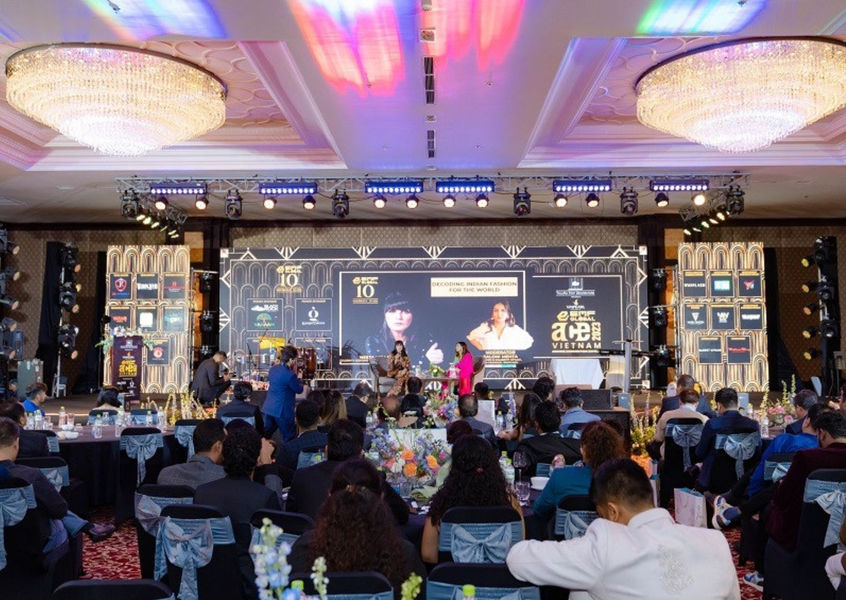
MICE is an acronym that stands for Meetings, Incentives, Conferences, and Exhibitions. In the travel and tourism context, MICE travel refers to a specialized segment of business tourism where groups are brought together for a professional purpose rather than leisure.
Unlike a standard leisure tour, a MICE trip revolves around a defined business objective: a company annual meeting, a reward trip for top sales performers, an industry summit, or a trade exhibition. Every element, including venue, accommodation, transport, dining, and activities, is curated around that objective.
The MICE travel industry is one of the fastest-growing sectors in global tourism. The global MICE market was valued at approximately $1.22 trillion in 2025 and is projected to reach $3.06 trillion by 2034. Business travel generated $1.5 trillion in spending in recent years alone, growing at nearly double the pace of leisure tourism.
MICE travelers also tend to spend significantly more per day than leisure travelers: one industry analysis found average business trip spending at €484 per person, compared to €126 for private travel. That gap explains why destinations and hospitality providers compete aggressively for MICE business.
2. The 4 core components of MICE travel
Understanding what MICE travel is starts with understanding its four components. Each serves a distinct purpose and requires a different planning approach.
| Component | Primary Purpose | Typical Group Size | Duration |
| Meetings | Decision-making, alignment | 10–500+ | Half-day to multi-day |
| Incentives | Reward, motivate, retain | 20–300 | 3–7 days |
| Conferences | Knowledge sharing, networking | 100–5,000+ | 1–5 days |
| Exhibitions | Product showcase, lead generation | Variable | 2–5 days |
2.1. Meetings
Meetings are the most common form of MICE corporate travel. They range from a half-day board session to multi-day internal summits and can take place in hotel conference rooms, purpose-built convention centers, or even resort venues. A quarterly sales review for 30 people and a 500-person leadership forum are both “meetings” in MICE terms. The scale and logistics differ, but the logic is the same: a defined agenda, a fixed group, a clear outcome.
According to a 2024 Deloitte corporate travel study, meetings represent the single largest component of MICE activity, 45% of the entire MICE market, with 21% of frequent business travelers attending sales meetings at least once a month.
2.2. Incentives
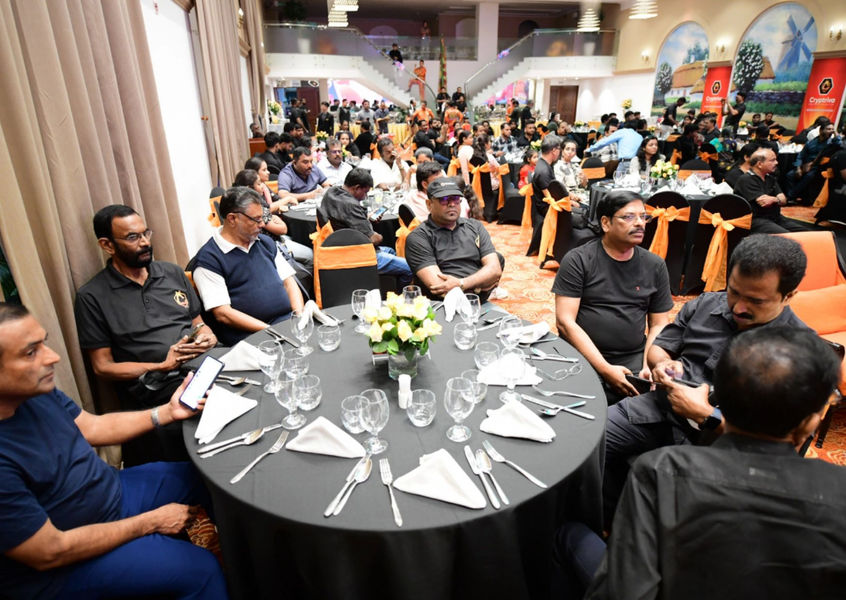
Incentive travel is where MICE meets experience design. Companies organize reward trips for high-performing employees, sales teams, or business partners not just to say thank you but to deepen loyalty, reinforce culture, and motivate future performance.
A well-executed incentive program typically combines leisure (a beachfront resort, a cultural immersion, or an adventure activity) with light networking and recognition moments. Crucially, it should feel like a genuine reward, not a working offsite dressed up as a vacation.
Industries that rely heavily on incentive travel include finance, insurance, technology, pharmaceuticals, and retail – sectors where performance culture is strong and talent retention is a business priority.
2.3. Conferences
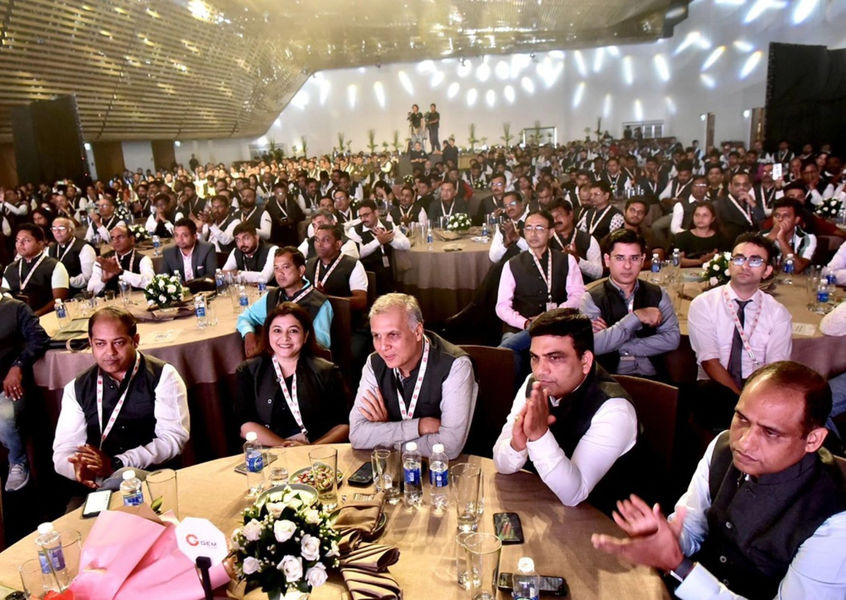
Conferences take the meeting format and expand it across multiple days, larger audiences, and richer programming. Industry congresses, global summits, academic symposiums, and annual conventions all fall under this umbrella. Speakers, breakout sessions, networking events, and gala dinners are standard components.
Conferences are typically the most logistically complex form of MICE travel. This form of MICE requires multi-venue coordination, advanced audiovisual production, delegate management systems, and, often, concurrent social programs for accompanying guests.
2.4. Exhibitions
Exhibitions and trade shows are MICE events organized around a specific industry or theme, where companies present products and services to potential clients, partners, or distributors. They serve a dual audience: exhibitors who want leads, and visitors who want solutions. Trade fairs like IMEX Frankfurt and EIBTM Barcelona are dedicated to the MICE industry itself. This is a useful indicator of how large and self-referential this sector has become.
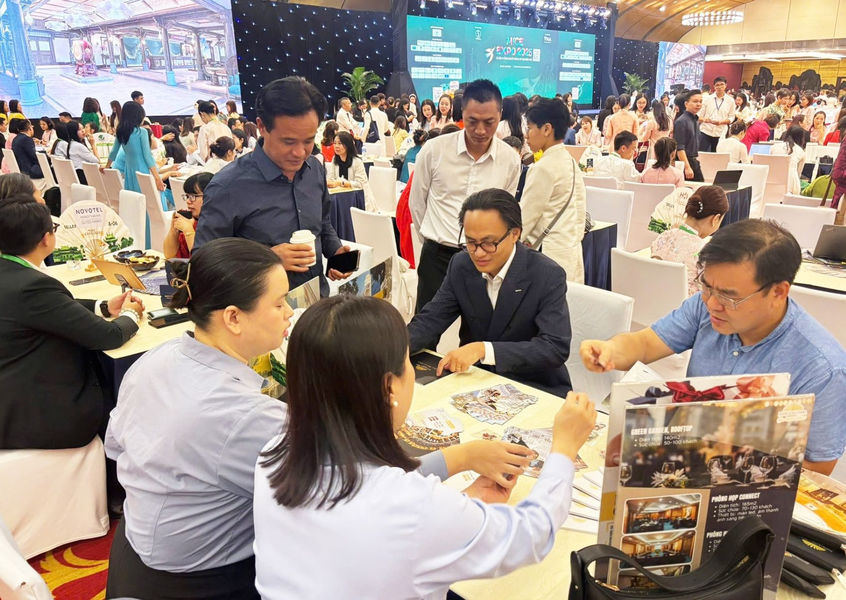
3. Corporate MICE travel vs Group MICE travel: Key differences
We often see two terms that often appear together, however they represent different planning approaches.
Corporate MICE travel refers specifically to programs organized by or for a single corporation with a direct business objective (annual review, product launch, leadership offsite). The corporate client defines the agenda, controls the guest list, and expects the DMC to execute with precision. Brand consistency, confidentiality, and on-site control are paramount.
Group MICE travel is a broader category that includes corporate programs but also covers association events, trade delegations, and multi-company gatherings where participants come from different organizations. Group programs often require more flexible itineraries, more diverse accommodation options, and often more complex visa and documentation handling for mixed-nationality attendees.
| Factor | Corporate MICE Travel | Group MICE Travel |
| Client type | Single company | Association / multi-entity |
| Agenda control | Tight, brand-aligned | Flexible, consensus-driven |
| Guest profile | Employees, clients, partners | Mixed industries, nationalities |
| Key success metric | Business objective achieved | Participant experience |
| DMC priority | Precision + confidentiality | Coordination + flexibility |
Both demand a MICE travel company with strong destination expertise, reliable supplier networks, and experienced on-the-ground coordination.
4. Why the MICE travel industry is booming in 2026
Several forces are converging to drive exceptional growth in the MICE travel industry right now:
- Post-pandamic demand recovery: MICE travel spending has exceeded pre-pandemic levels, with business travel growing at 19% in 2024 compared to 11% for leisure, according to the WTM Global Travel Report. The backlog of postponed conferences, incentive programs, and exhibitions created a surge in demand that the industry is still working through.
- The rise of bleisure: Modern MICE attendees expect more than a meeting room. Programs increasingly integrate genuine destination experiences — a half-day cultural tour, a wellness session, a culinary evening — that give delegates a reason to arrive early or extend their stay. This “bleisure” trend is reshaping how MICE itineraries are designed.
- Hybrid events expanding reach: In-person MICE events are thriving, but many organizations now run parallel virtual components such as live-streamed keynotes, digital delegate platforms, remote participation options. This hybrid model requires additional technical infrastructure from DMCs and venue partners.
- Sustainability becoming a selection criterion: Corporate clients are under internal ESG pressure to choose destinations and suppliers with credible sustainability commitments. Eco-friendly venues, carbon offset programs, and responsible sourcing are increasingly listed as evaluation criteria in MICE RFPs.
- Asia-Pacific rising: Destinations like Vietnam, Thailand, Indonesia, and Malaysia are capturing a growing share of MICE business from traditional hubs in Europe and North America offering world-class infrastructure at significantly lower per-person costs.
5. Why is Vietnam a top choice for MICE travel?
Vietnam has emerged as one of Asia’s leading MICE destinations recently. Ho Chi Minh City has been named Asia’s Leading MICE Destination at the World Travel Awards multiple times. Vietnam welcomed 21.2 million international visitors in 2025, with a national MICE market estimated at approximately $7.28 billion for the year.
What makes Vietnam work for MICE programs specifically:
- Value without compromise: Per-person costs for Vietnam MICE programs range from approximately $120–$180/day for standard programs to $200–$320/day for premium tier (5-star hotels, full AV/staging, private transfers, themed gala dinners) meaningfully lower than comparable programs in Singapore, Hong Kong, or Japan.
- Destination variety in a single program: Vietnam’s 1,650 km coastline, combined with efficient domestic air connectivity, allows planners to combine multiple destination experiences (urban Hanoi, heritage Hoi An, beachfront Da Nang, island Phu Quoc) within a single itinerary. Few destinations in Asia offer this breadth.
- Visa accessibility: Vietnam’s e-visa is now available to citizens of all countries (90 days, multiple entry). Many nationalities qualify for 14–45 day visa-free entry. Phu Quoc additionally offers a 30-day visa-free policy for all international arrivals. This is an advantage for incentive groups with mixed-nationality delegates.
- Cultural richness that resonates: Delegates arrive feeling they are somewhere genuinely different That sense of discovery is a key driver of post-program satisfaction scores.
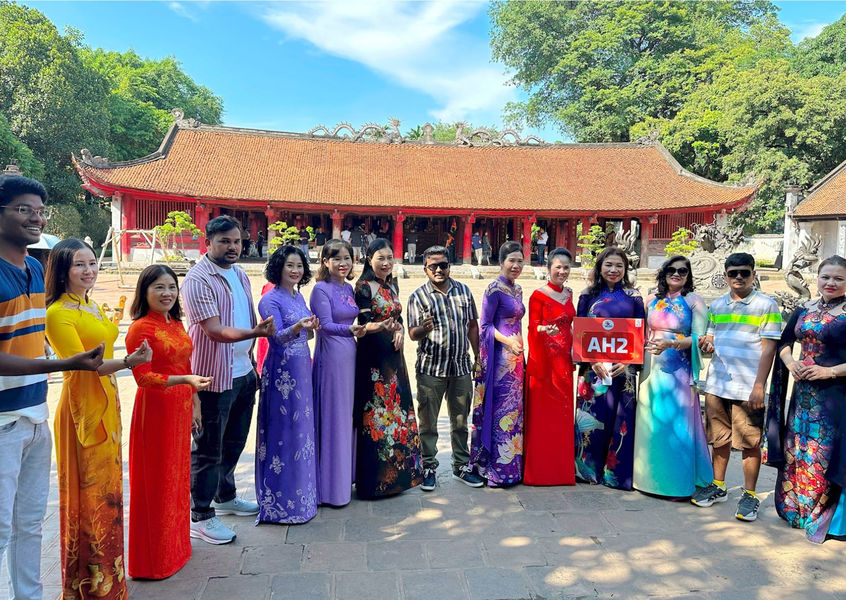
Key MICE destinations in Vietnam:
- Ho Chi Minh City MICE venues offer largest convention infrastructure, international connectivity, vibrant dining and nightlife for social programs
- Hanoi MICE places provide historical depth, government and embassy access, ideal for trade delegations and public-sector events
- Da Nang / Hoi An feature beachfront resorts with dedicated MICE facilities, strong for incentive programs and mid-size conferences
- Phu Quoc brings premier incentive island, luxury resort inventory, visa-free access, increasingly popular for high-end reward programs
6. How to choose the right MICE travel company?
Not all MICE travel agencies are built the same. When evaluating a partner, especially for an international program, you should consider these criteria:
End-to-end capability: Can the company handle the full scope: venue sourcing, accommodation, ground transport, AV production, activities, dining, and on-site coordination? Fragmenting these to multiple suppliers creates coordination gaps that surface at the worst possible moment.
Destination depth, not just presence: A MICE travel company that “covers Vietnam” and a DMC that has operated for years in Vietnam with established supplier relationships are very different propositions. Ask for specific examples of programs they have delivered in your target destination.
Speed and accuracy of quoting: In MICE travel, timelines are tight. A reliable partner responds to RFPs with accurate, detailed proposals, not ballpark figures that shift significantly when confirmed. Request references or case studies on quoting turnaround and proposal quality.
On-site personnel: Who is physically present during your program? A strong MICE company provides dedicated on-site operations staff, not a local contact number you call if something goes wrong.
Cultural and market expertise: For cross-cultural programs, especially Indian corporate groups, Middle Eastern delegations, or multi-national incentive programs, Vietnam DMC can provide the best dietary requirements, cultural protocols, and communication norms.
Track record with your program type: A company that excels at 20-pax luxury incentives and one that handles 500-delegate conferences are solving very different problems. Match the partner to the program type.
7. FAQs
What does MICE stand for in travel?
MICE stands for Meetings, Incentives, Conferences, and Exhibitions. It is the standard industry term for the business tourism segment that covers professional events and corporate travel programs.
What is the difference between MICE travel and regular tourism?
Regular tourism is leisure-oriented such as sightseeing, relaxation, personal experience. MICE travel is purpose-driven: every element of the trip is organized around a business objective. The planning complexity, group size, and service requirements are significantly higher.
What are some common MICE tourism examples?
Common MICE tourism examples include: a multinational company holding its Asia-Pacific annual conference at a resort in Vietnam; a pharmaceutical company sending its top sales team on a 5-day incentive trip to Phu Quoc; a trade association organizing a study tour for industry executives; a technology company participating in a regional trade show with ground logistics managed by a local MICE company.
How large is the global MICE travel industry?
The global MICE market was valued at approximately $1.22 trillion in 2025 and is expected to reach $3.06 trillion by 2034, growing at a compound annual rate of around 7–8%.
Why do companies invest in MICE corporate travel?
MICE corporate travel delivers measurable business returns: stronger client relationships, motivated and retained employees, new partnerships formed at conferences and exhibitions, and brand visibility through trade shows. MICE participants also tend to spend significantly more per day than leisure travelers, making them high-value clients for destinations and hospitality providers.
What makes Vietnam a good MICE destination?
Vietnam offers a combination that’s rare in Asia: world-class hotel and convention infrastructure at competitive price points, diverse destination experiences within a single country, improving air connectivity, streamlined visa access, and a rapidly maturing DMC ecosystem. Ho Chi Minh City has been recognized as Asia’s Leading MICE Destination, and destinations like Da Nang and Phu Quoc are emerging as strong alternatives for incentive programs.