The Indian outbound travel market is no longer just big; it’s fundamentally changing. And nowhere is that change more visible than in the rise of the FIT (Fully Independence Traveler) segment.
In this guide, Viet Dan Travel provides the most important Indian FIT travel trends for 2026, backed by data from global research firms, booking platforms, and our own on-the-ground experience in Vietnam.
1. Why does the Indian FIT market matter right now?
India’s outbound tourism market was valued at US$21.6 billion in 2024 and is projected to reach US$61.7 billion by 2033, growing at a CAGR of 12.3%. India is on track to become the fifth-largest outbound tourism market by 2027, up from tenth in 2019.
Within this boom, the FIT segment is growing fastest. Research shows approximately 4 in 10 Indian travelers now prefer to organize their trips independently, compared to just 22% who still rely on traditional agency packages. That’s a massive behavioral shift, and it has direct implications for every player in the travel supply chain.
Within this boom, the FIT segment is growing fastest. Research shows approximately 4 in 10 Indian travelers now prefer to organize their trips independently, compared to just 22% who still rely on traditional agency packages. That’s a massive behavioral shift, and it has direct implications for every player in the travel supply chain.
For Vietnam specifically, the trend is especially exciting: Indian tourist arrivals in Vietnam have risen threefold in three years, and Vietnam recorded a historic 21.2 million international arrivals in 2025. Indian visitors are among the fastest-growing source markets.
2. 7 Indian FIT travel trends shaping 2026
2.1. From package tours to personalized experiences
The biggest shift in Indian FIT travel behavior is the move away from standardized packages toward bespoke, experience-first travel.
According to Skift’s research, Indian travelers are increasingly seeking “unique and luxury travel experiences,” with a notable surge in spending on premium offerings. A 250% year-on-year rise in luxury and duty-free purchases by Indian travelers between January and March 2024 signals that the Indian FIT traveler is no longer bargain-hunting; they’re investing in quality.
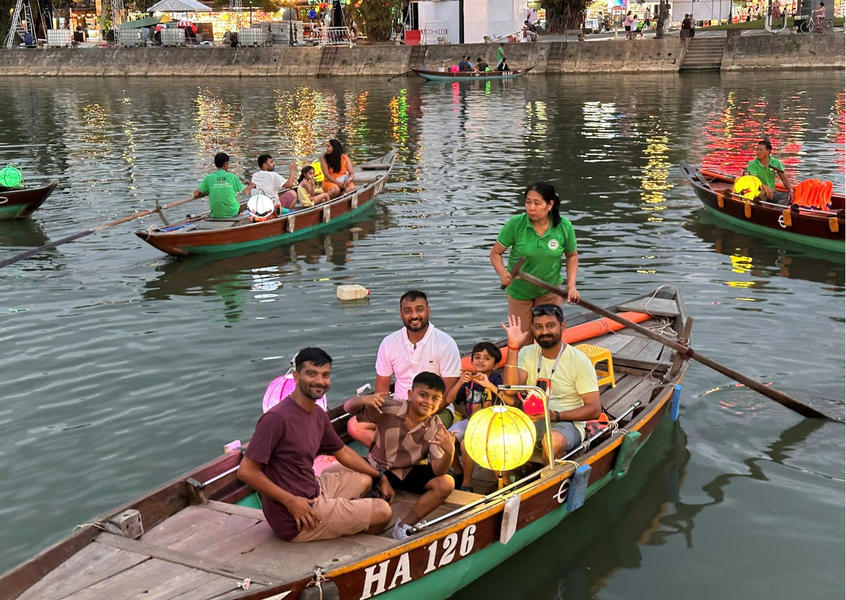
What this means for DMCs and operators: FIT packages for Indian travelers need to be flexible and modular. Think private transfers, customizable day itineraries, and curated local experiences, not fixed departure timelines. At Viet Dan Travel, we’ve responded by building Vietnam itineraries around specific interests: culinary trails in Hoi An, heritage walks in Hue, and private island escapes in Phu Quoc, all bookable as mix-and-match components.
2.2. Shorter, frequent trips are replacing the annual vacation
Indian FIT travelers now are not saving up for one grand annual holiday. Instead, they’re taking multiple shorter trips throughout the year. This is a direct reflection of their “travel as lifestyle” mindset.
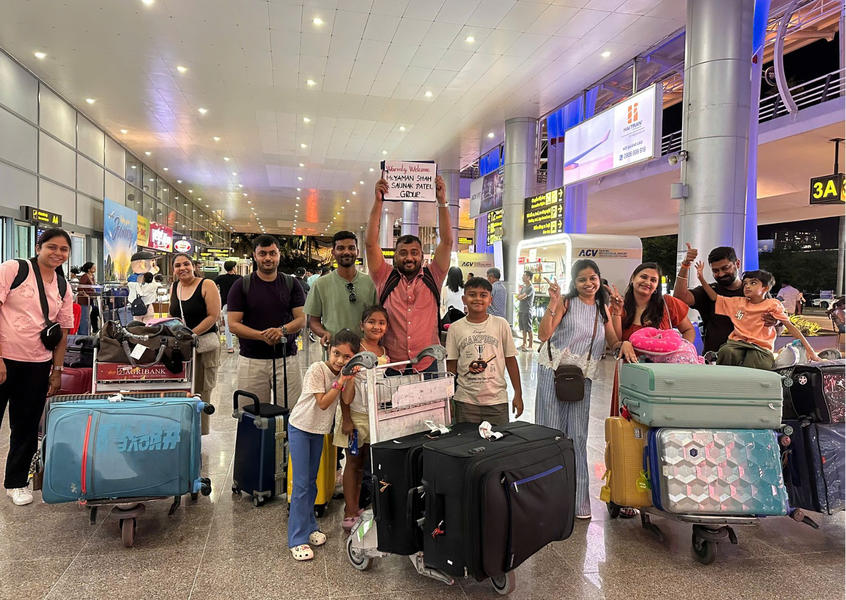
Over 60% of Indian travelers now choose trips lasting less than a week. Nearly 50% book flights within a week of departure. Meanwhile, 85% of Indian travelers plan to increase their travel frequency from 2–3 trips per year to 4–6 trips annually.
This “micro-trip” behavior has critical implications for how products are designed:
- Itineraries of 4–7 nights are the sweet spot for Indian FIT travelers heading to Southeast Asia
- Booking lead times are compressing. Last-minute and flexible booking windows are the new normal
- Visa-on-arrival and e-visa destinations get priority. Vietnam’s straightforward e-visa process is a significant competitive advantage here.
2.3. Southeast Asia and Vietnam specifically is the new priority destination
For Indian FIT travelers, Southeast Asia is now the preferred international playground. Thailand, Vietnam, Singapore, Malaysia, and Indonesia drove 25% growth in Indian travel to the region during the 2025 festive season.
But within Southeast Asia, Vietnam is the rising star. Seven of the 10 fastest-growing bilateral travel corridors in Southeast Asia during Q1 2025 were bound for Vietnam. Its combination of affordability, scenic beauty, culinary depth, and accessible visa policy makes it a natural choice for Indian FIT travelers exploring beyond the usual Thailand/Singapore circuit.
Vietnam is targeting 23 million tourists in 2025, a 31% year-over-year rise. For Indian travelers in particular, destinations like Da Nang, Hoi An, Hue, and Phu Quoc are moving from “alternative” to “mainstream bucket list.”
Practical insight for Indian travel agents: Your FIT clients who’ve already done Bangkok and Bali are actively looking for “what’s next. ” Vietnam is the answer many of them haven’t explored yet, and it’s significantly more affordable than Japan or Europe, with no language barrier for English-speaking Indian travelers.
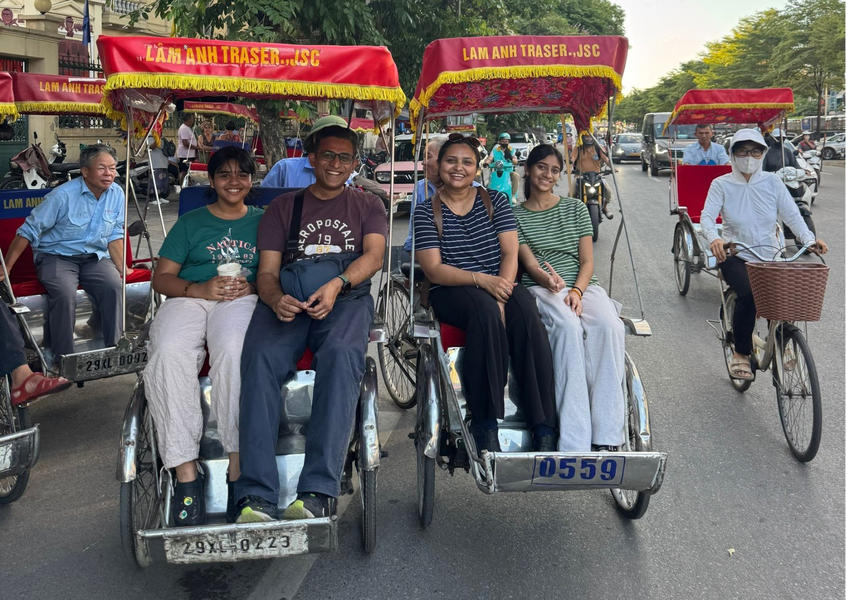
2.4. Tier 2 and Tier 3 city travelers are entering the market
International FIT travel is no longer the exclusive domain of Delhi, Mumbai, and Bangalore. Visa applications from first-time travelers have surged 32%, and a significant share are coming from India’s Tier 2 and Tier 3 cities, powered by rising aspirations, improved connectivity, and growing access to digital booking tools.
Between 2014 and 2023, over 100 million passports were issued in India. The number of passport application centers grew from 153 to 523. These aren’t numbers about seasoned luxury travelers; they represent a new generation of first-time international tourists stepping into the FIT space.
For DMCs and operators, this has several implications:
- Vegetarian and Jain meal requirements become more critical, not less. Tier 2 city travelers often have stricter dietary needs than their metro counterparts.
- Hindi-speaking guides may be valued over English-only staff.
- Cultural familiarity: understanding Indian festivals, family travel dynamics, and religious sensitivities becomes a stronger differentiator.
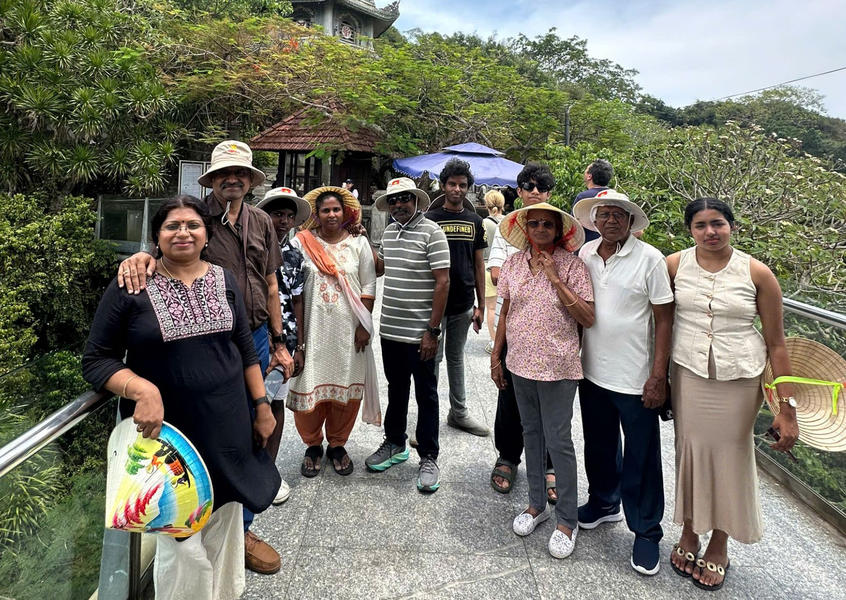
2.5. Digital-first planning and AI-powered booking are the new normal
Indian FIT travelers are among the most tech-savvy in the world when it comes to travel planning. 86% of Indians report confidence in using AI to plan and book trips, which is the highest figure globally, according to Skyscanner’s Travel Trends 2026 report.
Social media and digital platforms are key inspiration drivers: 60% of Indian travelers discover destinations via streaming platforms and social media. TikTok videos of Ha Long Bay sunsets, Instagram reels from Hoi An lantern festivals, and YouTube travel vlogs about Vietnamese street food are actively driving demand.
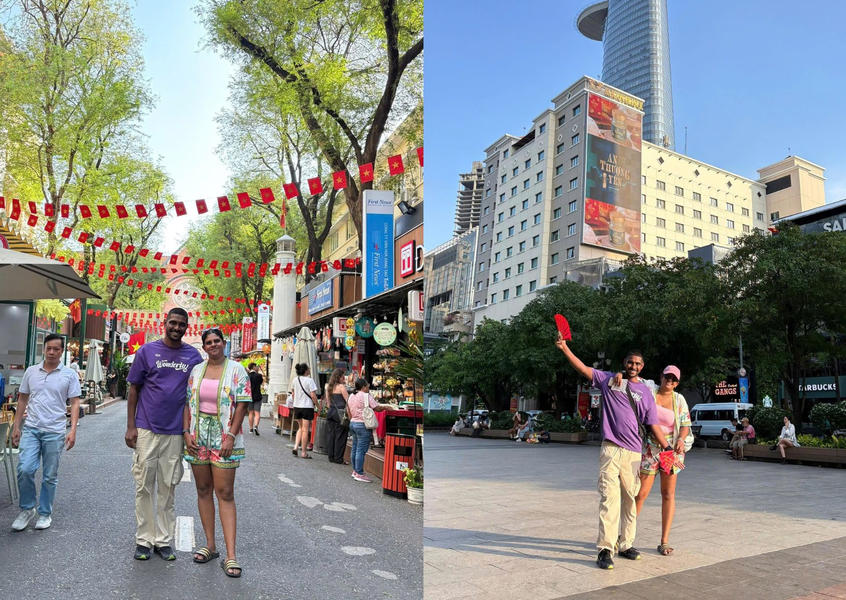
2.6. Wellness, adventure, and “phenomenon-based” travel are rising
Indian FIT travelers are increasingly shaping their trips around specific experiences and lifestyle interests, not just destination names. Skyscanner’s Travel Trends 2025 report highlighted experiences like astro adventures, wellness retreats, immersive art, and cultural deep dives as primary motivators for Indian travelers.
Vietnam offers a naturally strong fit:
- Wellness: Spa resorts in Hoi An, hot spring retreats in Quang Binh, yoga retreats in Da Lat
- Adventure: Motorbike trails through Ha Giang, trekking in Sapa, canyoning in Da Lat
- Culinary tourism: Cooking classes in Hoi An, street food walking tours in Hanoi and Ho Chi Minh City
- Cultural immersion: Mekong Delta homestays, ethnic minority village visits in the Northern Highlands
- For Indian FIT travelers, particularly younger travelers from metro cities, these are not luxury add-ons; they’re the primary reason for the trip.
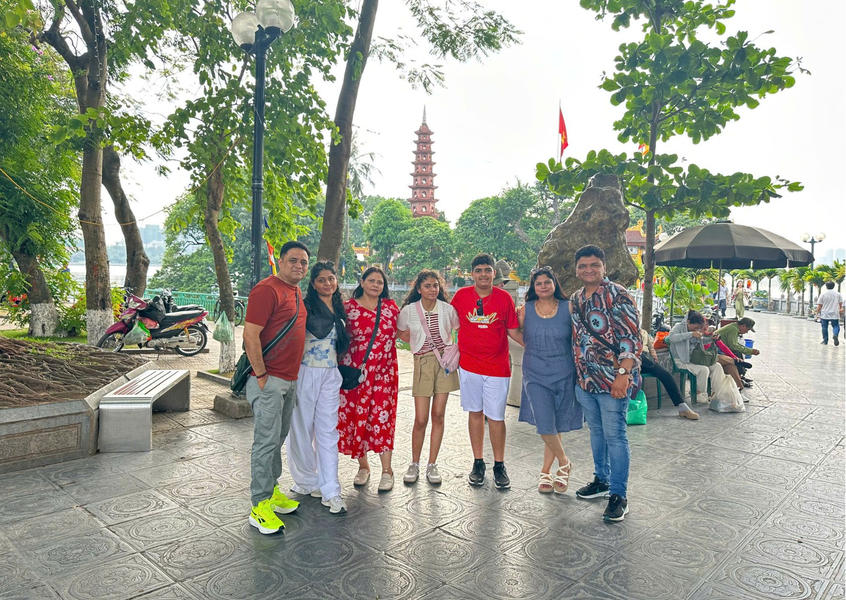
2.7. Value-consciousness combined with a willingness to spend on the right things
Despite the premiumization trend, Indian FIT travelers remain fundamentally value-conscious. Food costs (63%), flight prices (60%), and accommodation value (56%) remain top decision factors when planning international trips.
This creates a nuanced traveler profile: someone who will happily upgrade to a boutique hotel or pay a premium for a private cruise but won’t tolerate opaque pricing or a feeling of being “ripped off.”
For DMCs, the implication is clear: transparent, itemized pricing builds more trust than bundled package quotes. Indian FIT travelers and travel agents who serve them increasingly want to see exactly what they’re paying for.
3. Key takeaways for Indian travel agents and DMC partners
If you are an Indian travel agent building Vietnam programs for FIT clients, here’s a quick summary of what the trends demand:
- Design for flexibility: FIT travelers want modular itineraries they can adjust, not rigid day-by-day programs.
- Lead with experiences: Culinary trails, wellness retreats, adventure routes, and cultural deep-dives are stronger selling points than standard sightseeing lists.
- Solve the food problem upfront: Vegetarian, Jain, and Indian-friendly restaurant options need to be confirmed and guaranteed, not “available upon request.”
- Shorten the itinerary: 5-7 nights is the FIT sweet spot. Avoid overpacking too many cities into one trip.
- Build for repeat visitors: Many Indian FIT clients coming to Vietnam in 2025-2026 have already been to Thailand and Singapore. Position Vietnam’s lesser-known destinations, Da Nang, Hue, Ha Giang, and Phu Quoc, as the next chapter.
4. FAQs
What is the ideal itinerary length for Indian FIT travelers visiting Vietnam?
Most Indian FIT travelers heading to Vietnam choose trips of 5 to 10 nights. A 7-night program covering Hanoi, Ha Long Bay, and either Da Nang/Hoi An or Ho Chi Minh City is the most popular structure. Travelers with more time often add Phu Quoc or Sapa.
Do Vietnamese hotels accommodate Indian dietary requirements?
Not automatically, but a good DMC pre-coordinates vegetarian, Jain, and Indian-friendly meal options. At Viet Dan Travel, we handle dietary coordination for all our Indian FIT programs. Megacities such as Hanoi, Ho Chi Minh City, and Da Nang have dedicated Indian restaurants.
Is Vietnam visa-free for Indian passport holders?
As of 2025, Indian nationals require a visa for Vietnam. However, the e-visa process is straightforward, with most applicants receiving approval within 3 business days. Your visa can be easily finished by the guide of your DMC or travel agent.
What time of the year is best for Indian FIT travelers to visit Vietnam?
Vietnam is a year-round destination, but the optimal window depends on the region. October to April is generally excellent for central and southern Vietnam. Northern Vietnam (Hanoi, Sapa, and Ha Giang) is at its best from September to November and March to May.
How do Indian FIT travelers typically book Vietnam tours?
There is an increasing trend of booking Vietnam tours through Indian travel agents who partner with local Vietnam DMCs for ground operations. This hybrid model gives Indian FIT travelers the personalization of independent travel with the reliability of professional ground support.
To sum up, the Indian FIT market is growing fast, and Vietnam is one of the most compelling destinations for Indian travelers in 2026. The opportunity is real.
Viet Dan Travel is Vietnam’s trusted DMC partner for Indian travel agencies. We handle everything on the ground, so you can focus on selling. Contact us now; our experts are willing to support us at anytime!