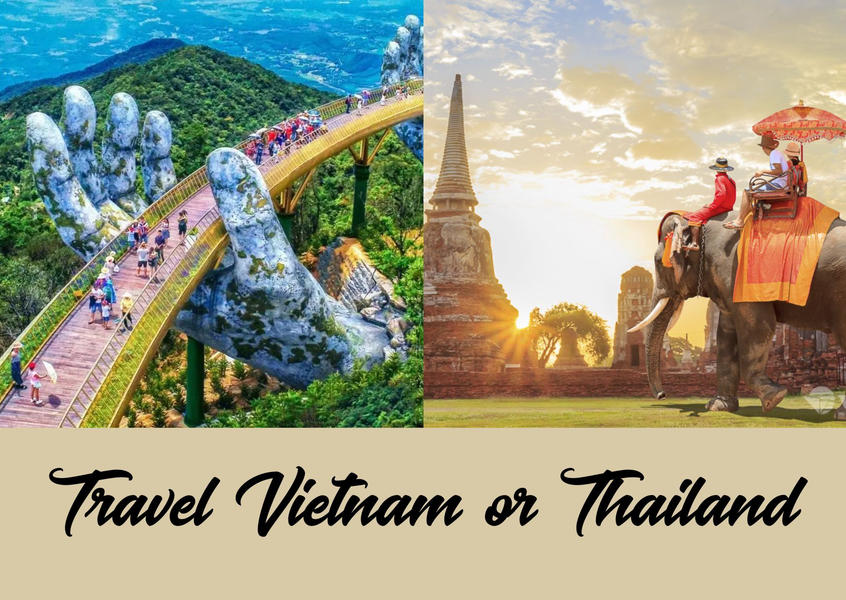
Deciding to travel Vietnam or Thailand is one of the most common dilemmas facing Southeast Asia-bound travelers. Both countries deliver beauty, history, flavor, and warmth. Both rank among the most visited destinations on Earth. Yet they are profoundly different in the kind of journey they offer.
This guide does not declare a winner. Instead, it provides an honest, category-by-category comparison designed to help you understand which destination is the right fit for your travel priorities, regarding of cultural immersion, coastal luxury, value for money, or all three.
1. Vietnam or Thailand — Which Should You Choose?
Choose Vietnam if you prioritize cultural depth, UNESCO World Heritage landscapes, authentic local cuisine, lower on-ground costs, and a private tour experience that goes beyond the tourist trail.
Choose Thailand if you prioritize the following: Ease of entry (visa-free for Indian passport holders as of 2025), established beach resort infrastructure, a highly developed tourism ecosystem, and a faster pace of city life.
For Indian travelers specifically, Vietnam offers stronger value per rupee, more cultural resonance following the simplified e-visa process, and near-equal accessibility. A 7-day Vietnam trip typically costs ₹55,000–₹75,000 per person (mid-range), compared to ₹65,000–₹85,000 for Thailand.
2. Landscapes and Geography
Vietnam stretches 1,650 kilometers from north to south, a country of rice terraces, limestone karsts, ancient towns, highland forests, and 3,260 kilometers of coastline. The variety within a single country is genuinely unusual.
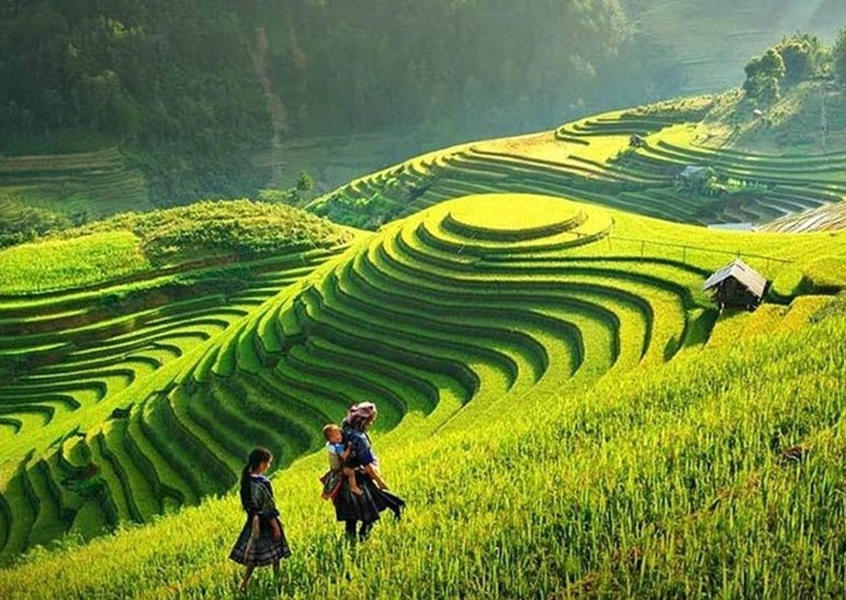
- North Vietnam: Ha Long Bay’s 1,600 limestone islands; the rice terraces of Sa Pa and Mu Cang Chai; the ancient capital of Hoa Lu in Ninh Binh.
- Central Vietnam: The royal citadel of Hue, the 15th-century trading port of Hoi An, and the marble mountains and white sands of Da Nang.
- South Vietnam: Ho Chi Minh City’s colonial architecture and street-food culture; the Mekong Delta’s waterways; Phu Quoc Island’s quiet beaches and clear waters.
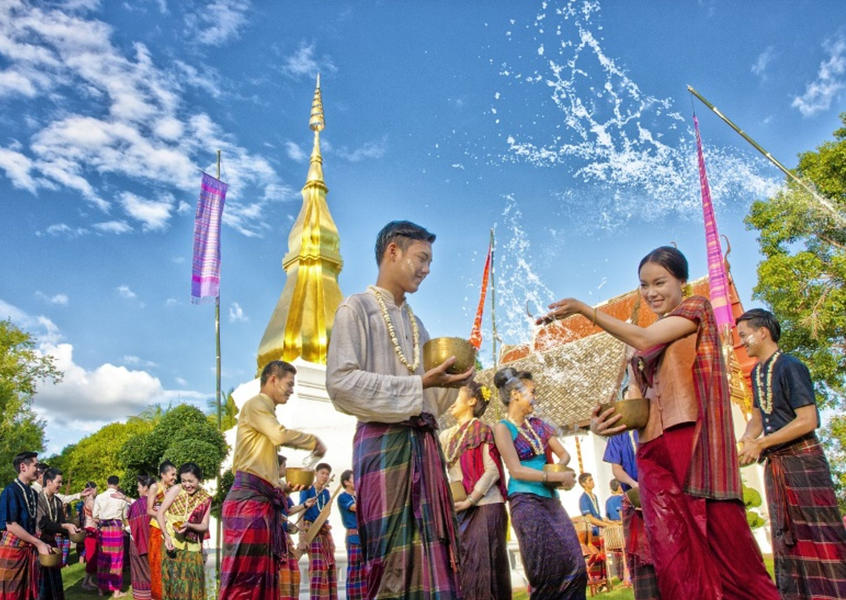
Thailand’s geography is also remarkable, from the mountainous north around Chiang Mai to the islands of the Gulf of Thailand (Koh Samui, Koh Phangan) and the Andaman Coast (Phuket, Krabi). Thailand’s beach infrastructure, particularly on islands like Phuket, is more developed and immediately resort-ready.
The distinction: Vietnam rewards travelers willing to engage with the destination on its own terms. Thailand accommodates travelers who prefer familiar, highly polished infrastructure. Neither is superior; they serve different travel personalities.
3. Culture and Heritage: Eight UNESCO Sites vs Seven
Vietnam holds eight UNESCO World Heritage Sites: Ha Long Bay, Phong Nha-Ke Bang National Park, the Imperial Citadel of Thang Long, Hoi An Ancient Town, My Son Sanctuary, the Complex of Hue Monuments, Trang An Landscape Complex, and the Citadel of the Ho Dynasty. Thailand holds seven, including Ayutthaya, Sukhothai, and Doi Inthanon.
What distinguishes the cultural experience is texture. Vietnam’s history, spanning Chinese dynasties, Cham civilization, French colonial rule, and the American War era, layers onto every destination in ways that reward curiosity. Hoi An is not merely a preserved town; it is a living record of Japanese merchant quarters, Chinese assembly halls, and Vietnamese shophouse architecture, all in one walkable kilometer.
For Indian travelers, Vietnam carries particular cultural resonance through its Buddhist heritage. Pagodas, temples, and meditative landscapes echo familiar visual and spiritual traditions while remaining distinctly Southeast Asian in character.
4. Cost Comparison: Vietnam vs Thailand for Indian Travellers
The cost difference between Vietnam and Thailand is meaningful, particularly for families and longer trips.
| Category | Vietnam (Approx. INR) | Thailand (Approx. INR) |
| Budget hotel (per night) | ₹2,500–₹4,000 (~$26–$42) | ₹3,500–₹5,500 (~$37–$58) |
| 4-star hotel (per night) | ₹7,000–₹12,000 (~$74–$126) | ₹10,000–₹18,000 (~$105–$189) |
| Street meal | ₹100–₹250 (~$1.05–$2.6) | ₹300–₹450 (~$3.15–$4.7) |
| Restaurant meal (mid-range) | ₹500–₹1,200 (~$5.25–$12.6) | ₹800–₹1,800 (~$8.4–$18.9) |
| 7-day trip per person (mid-range) | ₹55,000–₹75,000 (~$578–$788) | ₹65,000–₹85,000 (~$683–$893) |
| 7-day trip per person (luxury) | ₹1,20,000–₹2,50,000 (~$1,260–$2,625) | ₹1,50,000–₹3,00,000 (~$1,575–$3,150) |
Note: According to Numbeo’s cost-of-living data, Bangkok runs approximately 40% more expensive than Ho Chi Minh City on a daily basis. Thai street food averages ₹300–400 per meal compared to ₹100–250 in Vietnam. For a 10-day family trip, Vietnam consistently delivers more experiences per rupee.
5. Visa Requirements: Indian Passport Holders (2026)
Vietnam
Indian passport holders require a Vietnam e-Visa. The application is completed entirely online via the official portal (evisa.xuatnhapcanh.gov.vn). The single-entry e-Visa costs $25 USD (approximately ₹2,200) and is valid for up to 90 days. Multiple-entry e-Visa costs $50 USD. Processing typically takes 3–5 business days.
Thailand
As of January 2025, Thailand offers visa-free entry for Indian passport holders for stays up to 60 days. Thailand also introduced an e-visa option for those who prefer advance documentation. No visa fee applies for the visa-free entry.
The practical difference: Thailand has the edge on visa convenience. However, the Vietnam e-Visa process is straightforward, low-cost, and can be completed independently in under 30 minutes. When booking through a DMC, the visa guidance is typically included in the pre-departure support.
6. Cuisine: Vietnamese Food vs Thai Food for Indian Palates
Both cuisines are celebrated globally, but they differ in flavor profile and dietary compatibility for Indian travelers.
Vietnam
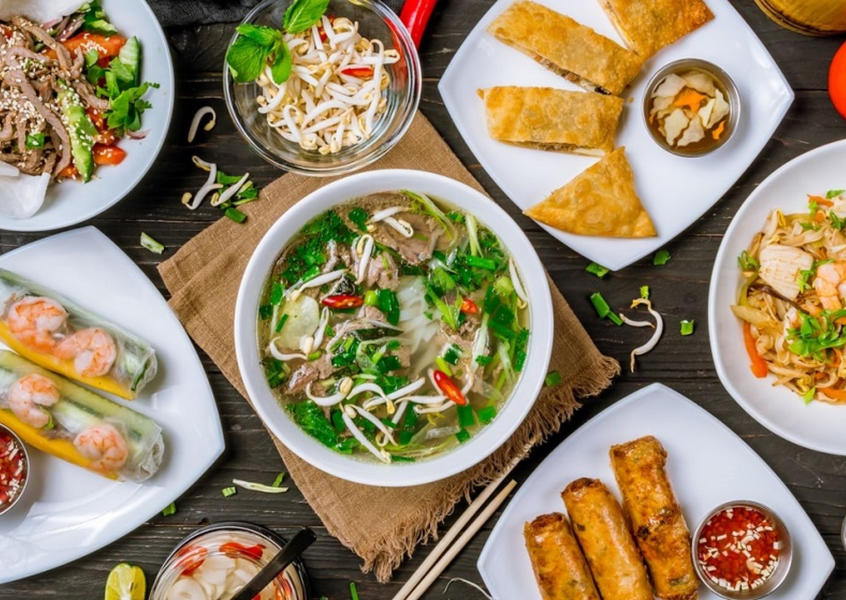
Vietnamese cuisine is built on balance: fragrant broths, fresh herbs, rice-based preparations, and seafood. It is lighter than Thai food and relies less on coconut milk. It is important for vegetarian Indian travelers that Vietnamese food offers a stronger tradition of Buddhist vegetarian cooking. Chay (vegetarian) restaurants and pagoda-adjacent eateries serve elaborate meat-free meals in every major Vietnamese city. Pho, Banh Mi, Bun Bo Hue, and fresh spring rolls can all be adapted or are inherently vegetarian in their base forms.
Thailand
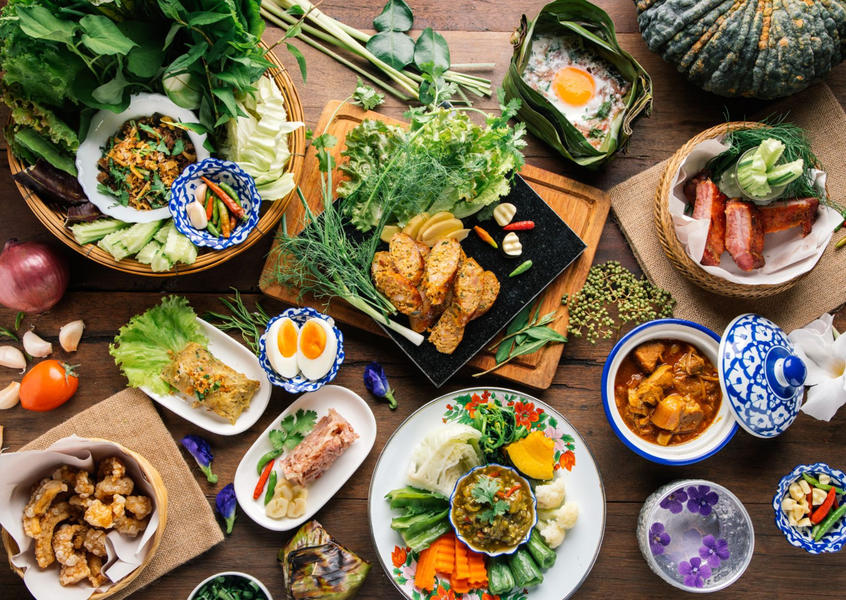
Thai cuisine is bolder, with typical features of coconut-based curries, fermented pastes, and fish sauce as a foundational ingredient. Vegetarian options exist but require more deliberate navigation, particularly outside tourist zones. Thai food is more familiar to Indian palates through its global popularity, which can be an advantage or a missed opportunity depending on your perspective.
For Indian vegetarian travelers: Vietnam holds a structural advantage. Buddhist vegetarian culture is embedded in the food landscape, not a niche adaptation of it.
7. Indian Food Availability: Vietnam vs Thailand
For Indian travellers, knowing whether familiar food is accessible or whether the entire trip must be navigated around unfamiliar cuisine is a practical concern that rarely appears in mainstream travel comparisons.
Vietnam
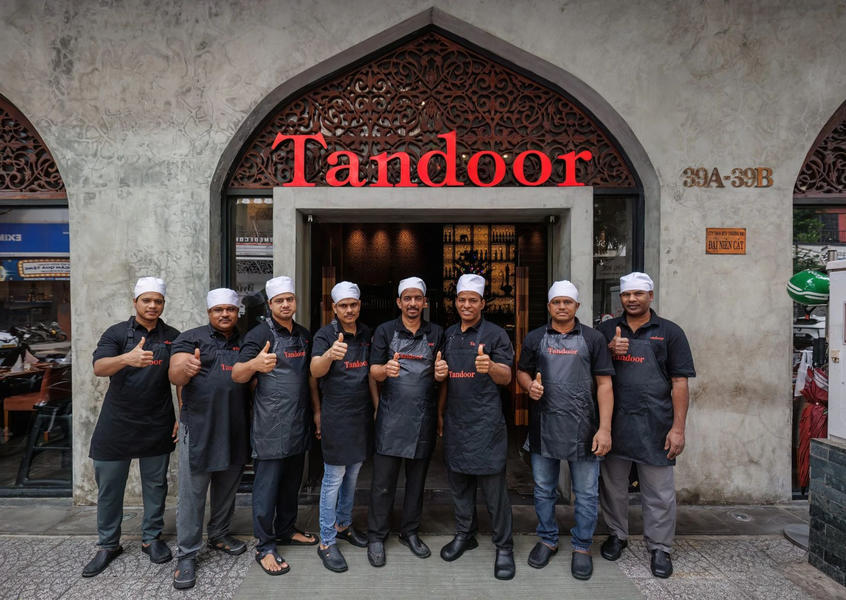
Indian restaurants in Vietnam are present in Hanoi, Ho Chi Minh City, Da Nang, and Hoi An, concentrated around traveler districts such as Hanoi’s Old Quarter and Ho Chi Minh City’s District 1. The selection is modest compared to Thailand but covers the essentials: dal, roti, paneer-based dishes, and biryani. More meaningfully for Indian travelers, Vietnam’s native vegetarian (chay) restaurant culture provides a reliable fallback at every destination.
Buddhist chay restaurants serve multi-dish vegetarian meals using tofu, mushrooms, and seasonal vegetables prepared without fish sauce — a comfort level that Indian vegetarian travellers rarely find this naturally embedded in a Southeast Asian food culture. Indian spices and groceries are available in both Hanoi and Ho Chi Minh City for travellers staying in serviced apartments or villas.
Thailand
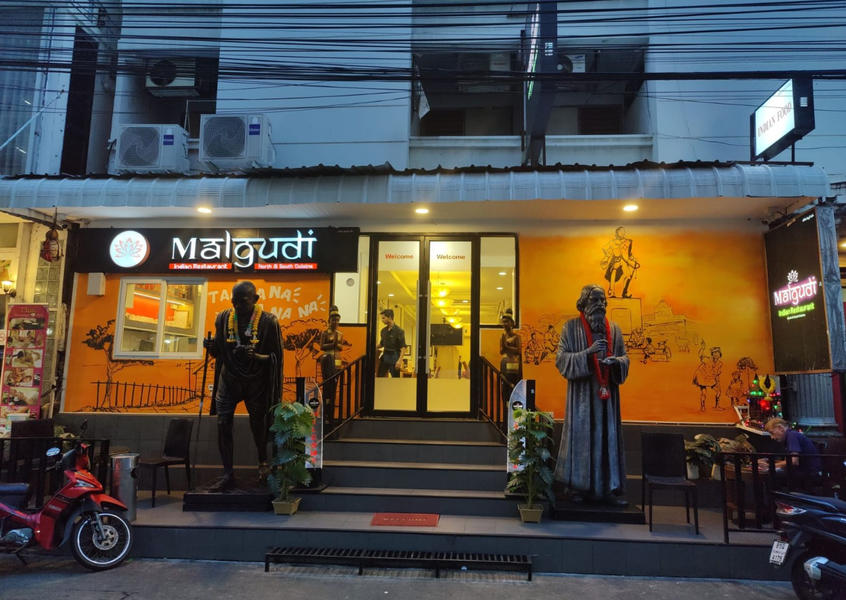
Bangkok and Phuket have a significantly larger and more established Indian restaurant presence, including dedicated Gujarati, Punjabi, and South Indian establishments in Bangkok’s Pahurat (Little India) district and around Sukhumvit. Chiang Mai and Koh Samui have a smaller but functional selection.
Thailand’s broader cuisine is also more navigable for non-vegetarians, with extensive street food variety. However, Thai cooking uses fish sauce and shrimp paste as base ingredients in most dishes, including many that appear vegetarian making careful navigation necessary for strict vegetarians and Jains.
The distinction: Thailand wins on Indian restaurant volume and variety, particularly in Bangkok. Vietnam wins on structural vegetarian accessibility through its chay culture, which does not rely on workarounds or special requests.
8. Transportation: Getting Around Vietnam vs Thailand
How easily you can move between destinations shapes the rhythm of an entire trip. Vietnam and Thailand present different logistical profiles.
Vietnam
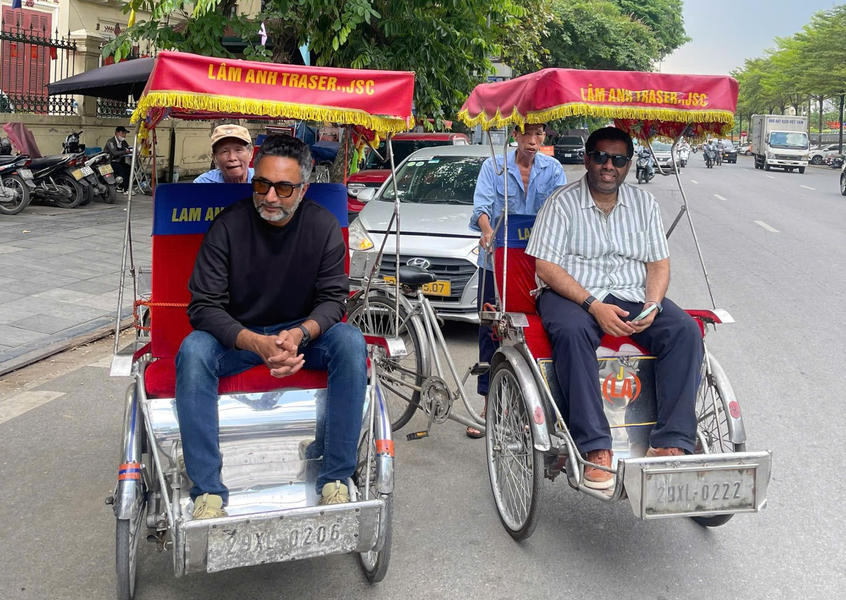
The country’s elongated north-to-south geography means inter-city travel typically involves domestic flights, overnight trains, or long road transfers. The primary flight hubs are Hanoi (Noi Bai International), Da Nang, and Ho Chi Minh City (Tan Son Nhat International). Vietnam Airlines, VietJet Air, and Bamboo Airways operate frequent routes between these cities. Domestic flights are affordable; Hanoi to Da Nang or Ho Chi Minh City typically costs $30–$80 USD per segment when booked in advance. The Reunification Express train, running the full north-south route, is a slower but atmospheric option favored for specific scenic segments. Within cities, ride-hailing apps (Grab) operate reliably and are priced far below taxi meters.
Thailand
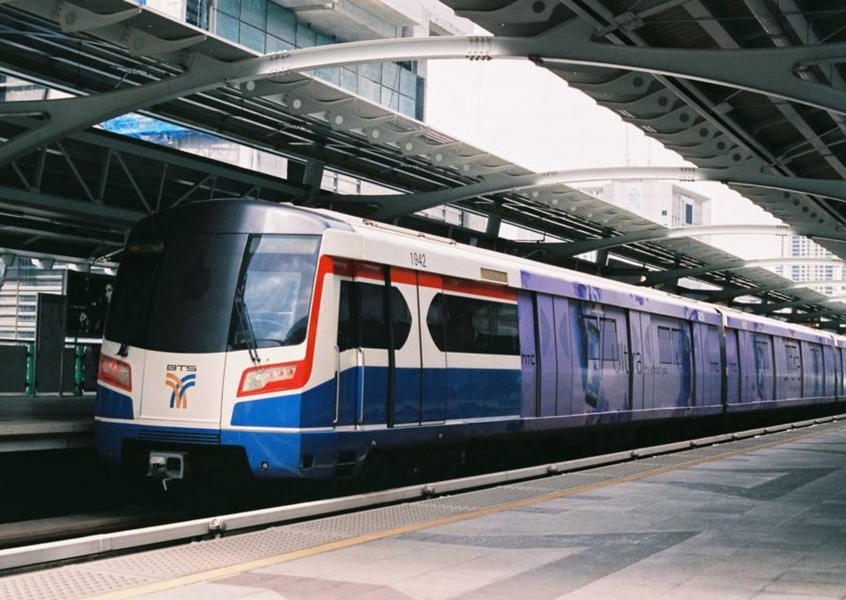
Thailand’s transport infrastructure is more developed, particularly in Bangkok, which has an established BTS Skytrain and MRT metro network. Inter-city connections by train, bus, and budget airlines are frequent and well-signposted. Island transfers to Phuket, Koh Samui, and Koh Phangan involve ferries or short-haul flights, both of which operate on predictable schedules. Thailand’s tourism infrastructure absorbs large visitor volumes smoothly, and English signage is more consistent outside major cities than in Vietnam.
Private transport: For travelers using a Vietnam DMC, inter-city transfers are handled by a private vehicle with a dedicated driver, removing the complexity of independent transport entirely. This is the standard for all Viet Dan Travel DMC itineraries: no navigating bus terminals, no unaccompanied transfers, and no scheduling uncertainty.
The distinction: Thailand is easier to navigate independently. Vietnam is more rewarding when navigated with local expertise, which is precisely what a private tour provides.
9. Shopping: What to Buy in Vietnam vs Thailand
Both countries offer compelling shopping, but the character and the value differ considerably.
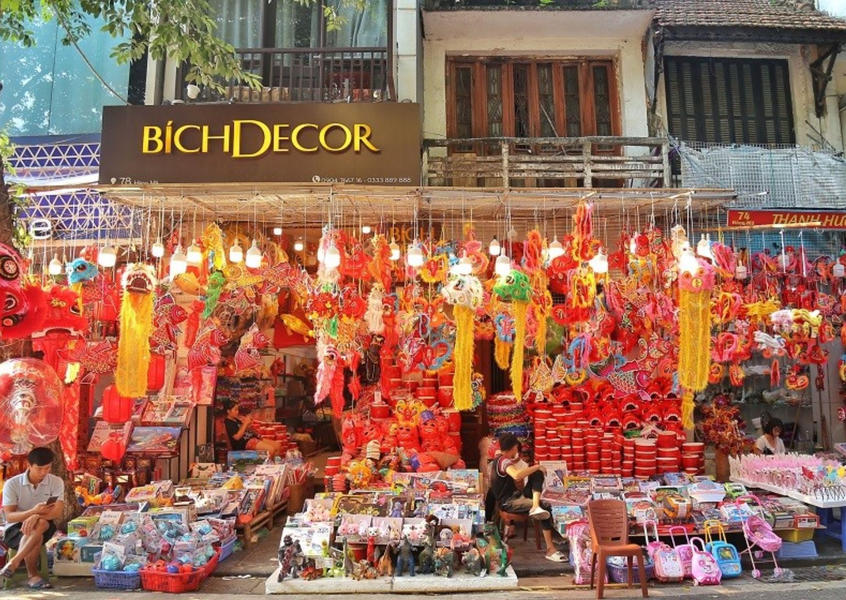
Vietnam: Vietnam’s shopping strengths lie in handcraft, tailoring, and artisan production.
- Hoi An is one of Southeast Asia’s finest tailoring destinations: made-to-measure clothing in silk, linen, and cotton can be produced within 24–48 hours at a fraction of Western prices. Lacquerware, hand-embroidered textiles, hand-painted silk, and traditional conical hats (nón lá) are widely available across Central Vietnam.
- Hanoi’s Old Quarter is known for specialist street-by-street retail, one street for paper goods, another for silk, and another for hardware, a layout that dates to the 15th century.
- Vietnamese coffee (robusta and arabica blends, including the famous weasel coffee) makes for a distinctive and lightweight souvenir.
- Prices are negotiable at markets; fixed-price boutiques in Hoi An and Hanoi cater to shoppers who prefer certainty.
Thailand
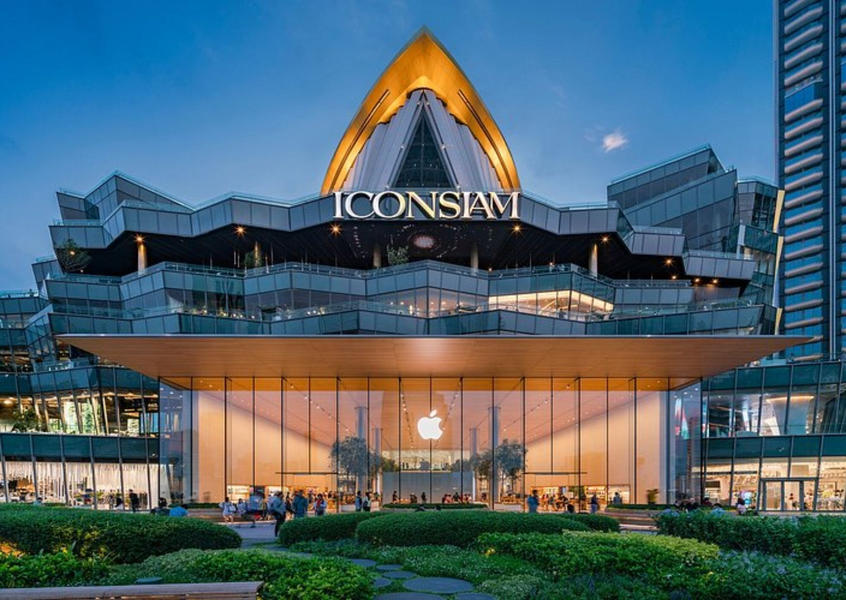
- Bangkok’s shopping ecosystem is among the most developed in Southeast Asia, ranging from ultra-luxury malls (Siam Paragon, ICONSIAM) to the sprawling Chatuchak Weekend Market with over 15,000 stalls. Thai silk, celadon ceramics, hand-carved teak items, and spa products (jasmine rice scrubs, herbal compresses) are consistent favorites.
- Thailand’s duty-free and VAT refund infrastructure is also more accessible than Vietnam’s for international visitors.
The distinction: Thailand wins on the shopping scale and mall infrastructure. Vietnam wins on artisan quality, tailoring value, and the authenticity of market experiences.
10. Best Destination by Traveller Type
| Traveller Profile | Vietnam | Thailand |
| First-time Southeast Asia traveller | Strong choice | Strong choice |
| Cultural immersion seeker | Excellent | Good |
| Beach and island holiday | Phu Quoc, Con Dao | Phuket, Koh Samui |
| Indian vegetarian traveller | Excellent | Manageable |
| Budget traveller | Lower on-ground costs | More expensive |
| Luxury private tour | DMC-curated excellence | Mature market |
| Solo female traveller | Ranked 38th globally on Peace Index | Good |
| Family with children | Diverse activities | Strong |
| Honeymoon couple | Boutique & private options | Strong |
| UNESCO heritage focus | 8 sites | 7 sites |
11. Conclusion: Vietnam or Thailand — Making the Right Choice
This comparison does not end with a verdict answer: travel Vietnam or Thailand because the right answer depends entirely on what kind of traveler you are.
Thailand remains one of the most accessible, polished, and visitor-ready destinations in the world. Its visa-free entry for Indian passport holders, established island infrastructure, large Indian dining scene, and well-navigated transport network make it an easy, confident choice, particularly for first-time international travelers or those who value seamlessness above all else.
Vietnam asks a little more of you: a visa application, some geographic planning, and a willingness to engage with a country that has not yet smoothed every edge for tourism’s convenience. In return, it gives you something increasingly rare: a destination that still feels genuinely its own. Landscapes that have not been replicated elsewhere. A food culture with real depth. Heritage towns that are lived in, not merely preserved. And a luxury tier that delivers exceptional quality at a fraction of what comparable experiences would cost in Thailand, Bali, or the Maldives.
For Indian travelers who prioritize cultural resonance, vegetarian-friendly food, value for money, and a journey curated around their specific preferences rather than a group’s average, then Vietnam is the more rewarding choice.
11. Frequently Asked Questions
Is Vietnam or Thailand better for Indian families?
Both are excellent family destinations. Vietnam offers stronger value per rupee, more UNESCO heritage sites, and a Buddhist vegetarian food culture that suits many Indian dietary requirements. Thailand offers more developed beach resort infrastructure and visa-free entry for Indian passport holders. For families prioritizing cultural depth and private travel, Vietnam is typically the stronger choice.
Is Vietnam cheaper than Thailand for Indian?
Yes. Vietnam is generally 15–30% less expensive than Thailand on a daily basis for accommodation, food, and local transport. A mid-range 7-day Vietnam trip costs approximately ₹55,000–₹75,000 per person, compared to ₹65,000–₹85,000 for Thailand.
Do Indian citizens need a visa for Vietnam?
Yes. Indian passport holders require a Vietnam e-Visa, available online for $25 USD (single entry, valid 90 days). Processing takes 3–5 business days. Thailand currently offers visa-free entry for Indian passport holders for up to 60 days.
What is the best time to travel to Vietnam from India?
The optimal period for most Vietnam regions is November to April, when weather across the north and center is dry and pleasant. Phu Quoc Island (south) is best from November to March. Avoid traveling to Central Vietnam in October–November due to annual flooding.
Can you visit both Vietnam and Thailand in one trip?
Yes. A combined Southeast Asia itinerary covering Vietnam and Thailand is popular and logistically practical. Vietnam’s multiple-entry e-Visa ($50 USD) allows travelers to exit and re-enter Vietnam during the same trip, making it possible to visit Thailand mid-itinerary and return. Viet Dan Travel DMC can coordinate the Vietnam components of multi-country journeys.
What makes a DMC different from a regular travel agent for Vietnam?
A destination management company (DMC) operates on the ground in the destination, with direct contracts with hotels, guides, transport providers, and experience vendors. This means faster problem resolution, better rates, and access to non-standard experiences. A regular travel agent typically subcontracts to a DMC. Booking directly with a Vietnam DMC like Viet Dan removes one layer of cost and one layer of communication.