
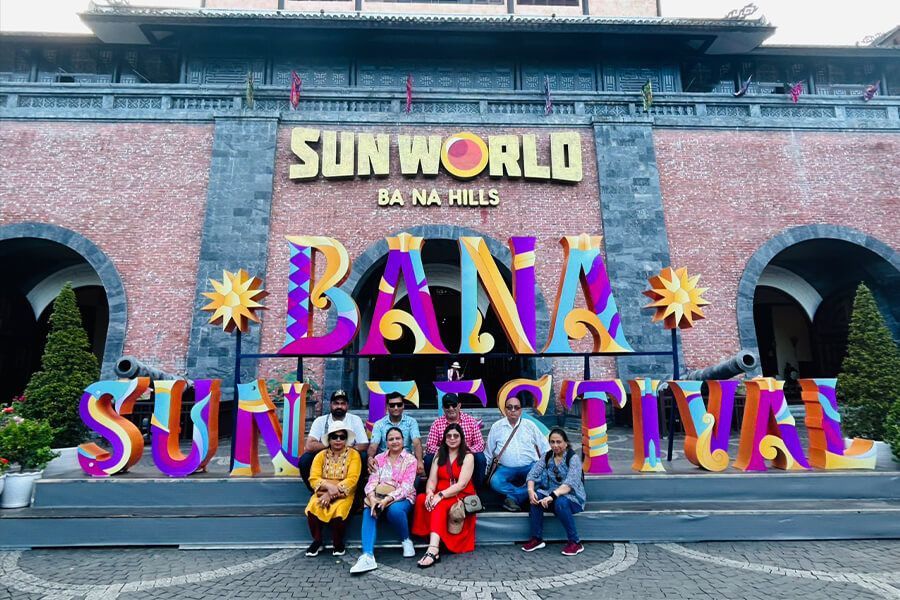
Vietnam has become one of the most preferred destinations for Indian travelers in recent few years. For travel partners, this creates strong demand for well-structured programs like a Vietnam itinerary 7 days, which is short, flexible, and easy to sell. This guide provides practical routes, cost insights, and ready-to-sell ideas to help you design effective Vietnam packages for your clients.
1. Is 7 days enough to explore all the highlights of Vietnam?
For travel companies designing Southeast Asia programs, the question isn’t just whether 7 days is “enough” for Vietnam—it’s how to make those 7 days commercially viable, logistically smooth, and appealing to end clients.
The short answer: yes, 7 days is enough to create a compelling Vietnam itinerary if it is structured strategically.
Vietnam stretches over 1,600 km from north to south, so covering the entire country in one week requires careful planning. Instead of trying to include everything, successful 7-day programs typically focus on high-impact highlights, efficient routing, and balanced pacing. The most effective itineraries often follow one of these approaches:
- Multi-destination highlights (North → Central → South): Ideal for first-time travelers who want a snapshot of Vietnam.
- Regional focus (North / Central / South only): Better for deeper cultural immersion and relaxed pacing.
- Experience-driven itineraries: Combining iconic sites with curated activities (cruise, heritage, local experiences).
From a B2B Vietnam DMC perspective, a 7-day Vietnam itinerary works well because it:
- Fits standard leave patterns in key markets like India and Southeast Asia.
- Keeps package pricing competitive and easier to sell.
- Allows flexible customization (budget to luxury segments).
- Works efficiently with available flight connections and domestic routes.
However, the key challenge for travel partners is optimizing travel time vs. experience quality. Poorly planned itineraries can feel rushed, with too many internal flights or long transfers. This is where itinerary design becomes critical.
In the next section, we’ll explore a recommended 7-day Vietnam itinerary that consistently performs well for travel partners.
2. Sample 7-Day Vietnam Tour Packages for Partners
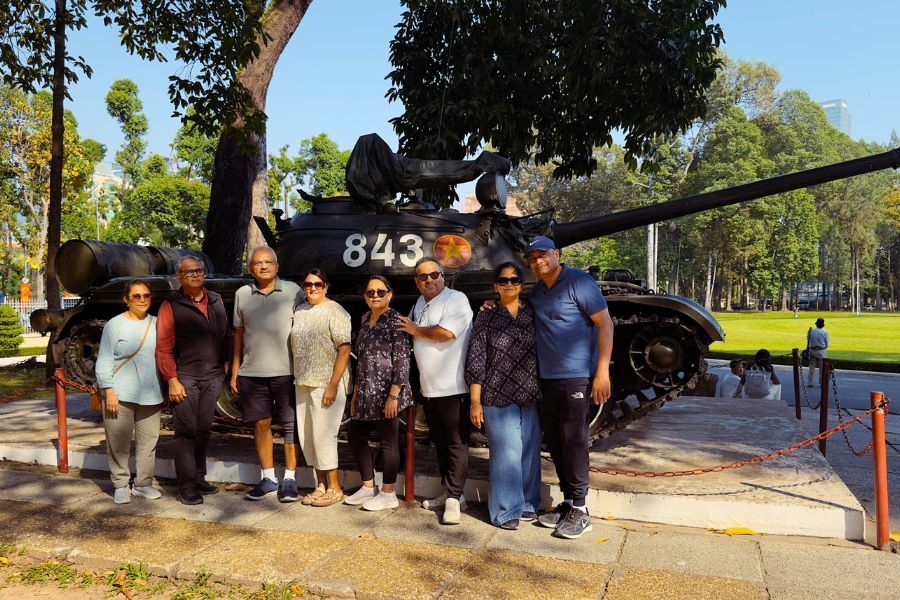
To help the Indian travel partner quickly visualize the ready-to-sell 7-day Vietnam itinerary, here are two suggested itineraries that balance routing efficiency, highlight experiences, and have strong client appeal. Both programs are designed for easy customization based on market needs, especially for Indian and international groups.
2.1. North & Central Vietnam Unforgettable Journey – 7 Days
This itinerary focuses on Northern heritage and Central Vietnam’s iconic destinations, making it ideal for clients who prefer a more immersive and less rushed experience.
Day 1: Hanoi Arrival – City Tour
Day 2: Hanoi – Hoa Lu – Trang An – Hanoi
Day 3: Hanoi – Halong Bay – Overnight on Cruise
Day 4: Halong Bay – Hanoi – Fly to Danang
Day 5: Danang – Bana Hill – Golden Bridge – Danang
Day 6: Danang – Hoi An Basket Boat – Hoi An Walking Tour
Day 7: Danang Departure
>>> Explore the detailed itinerary: North and Central Vietnam Unforgettable Journey 7 Days.
2.2. Amazing Vietnam – 7 Days
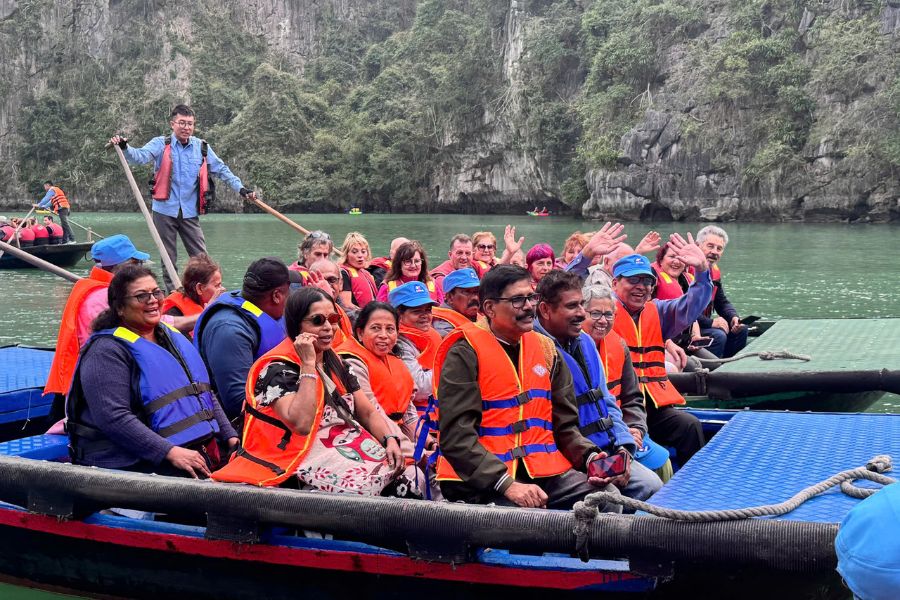
This is a comprehensive 7-day Vietnam itinerary, covering all three key regions for clients who want a complete overview of the country.
Day 1: Hanoi Arrival – City Tour
Day 2: Hanoi – Halong Bay – Overnight on boat
Day 3: Halong Bay – Hanoi – Fly to Danang
Day 4: Danang – Bana Hill – Golden Bridge – Danang
Day 5: Danang – Fly to Ho Chi Minh City – Half Day City Tour
Day 6: Mekong Delta
Day 7: Cu Chi Tunnels – Ho Chi Minh City Departure
>>> Explore the detailed itinerary: Amazing Vietnam 7 Days.
For more sample packages across Vietnam, please visit our Vietnam Tour Packages for Indian Travel Agencies.
3. Total Cost for Vietnam Itinerary 7 Days
Before diving into detailed pricing, it’s important for travel partners to understand that the cost of a Vietnam itinerary 7 days can vary significantly depending on service level, routing, and client expectations. Rather than a fixed price, Vietnam offers a highly flexible pricing structure, allowing partners to tailor packages from budget-friendly group tours to premium private experiences. The following table provides a clear benchmark to help you estimate costs, structure your packages, and plan competitive pricing strategies for different markets.
| Package Type | Inclusions Level | B2B Cost (USD/pax) | Typical Selling Price (USD/pax) |
| Budget (3-star) | Standard hotels, basic services | 450 – 650 | 650 – 850 |
| Mid-range (4-star) | Better hotels + Halong cruise + key tours | 650 – 900 | 850 – 1,200 |
| Premium (5-star) | Luxury hotels, upgraded cruise, private services | 900 – 1,400+ | 1,200 – 1,800+ |
4. Travel Tips for Planning a 7-Day Vietnam Itinerary
Planning a Vietnam itinerary 7 days requires a careful balance between destination selection, logistics, and client expectations. For travel partners, the goal is not just to create an attractive itinerary on paper, but to ensure it is easy to operate, cost-efficient, and delivers a high-quality experience. Below are key tips to help you design programs that are both competitive and scalable across different markets.
- Focus on 2-3 highlight destinations only: In a week, covering too many destinations can make the itinerary feel rushed and exhausting for travelers. Instead, prioritize 2–3 key regions that offer a strong mix of highlights and experiences. This allows for better pacing, reduces transit time, and improves overall satisfaction. For example, combining Hanoi – Halong Bay – Da Nang is often more effective than trying to include the entire country.
- Optimize domestic flights and routing: Because of long geography, travel agencies should plan efficient routing. Travel partners should prioritize direct flight connections and logical sequencing of destinations to minimize backtracking. Poorly timed flights can lead to fatigue and operational issues. Aligning flights with hotel check-in times and avoiding unnecessary layovers helps create a smoother experience and keeps the itinerary practical for both FITs and group tours.
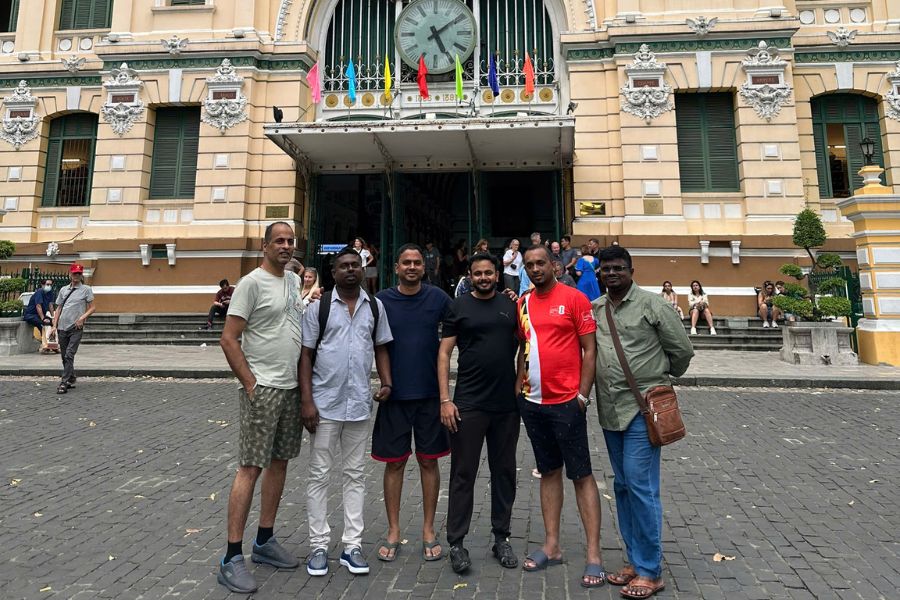
- Include one signature experience: A strong 7-day itinerary should always include at least one standout experience that defines the trip. In Vietnam, this is often an overnight Halong Bay cruise, which is a major selling point. Other popular options include Ba Na Hills or cultural experiences in Hoi An. These highlights increase perceived value, make the itinerary more memorable, and help travel partners differentiate their packages in a competitive market.
- Balances sightseeing and leisure time: Overloading the itinerary with back-to-back activities can reduce enjoyment and lead to negative feedback. It’s important to balance structured tours with free time for relaxation, shopping, or optional activities. This flexibility allows clients to personalize their experience and creates opportunities for upselling. A well-paced itinerary ultimately leads to higher satisfaction and better repeat business for travel partners.
- Customize for target markets (especially India): Different markets have unique preferences, and customization plays a key role in conversion. For Indian travelers, factors such as meal preferences, group travel dynamics, and interest in iconic photo spots are important. Including Indian dining options, culturally relevant experiences, and comfortable pacing can significantly improve satisfaction and booking rates. Tailored itineraries are easier to sell and build long-term partnerships with.
- Plan around seasonality: Vietnam’s weather varies significantly by region, so understanding seasonality is essential when designing itineraries. For example, the North is ideal in cooler months, while Central Vietnam can experience heavy rains during certain periods. Adjusting the route based on travel dates helps avoid disruptions and ensures a better overall experience. Seasonal planning also allows partners to optimize pricing and availability.
- Work with a local Vietnam DMC: Partnering with a local DMC can greatly simplify itinerary planning and execution. DMCs provide access to contracted rates, reliable suppliers, and on-ground support, which are crucial for smooth operations. They also help customize programs quickly based on client needs and handle unexpected changes efficiently. For travel partners, this means reduced risk, better pricing, and more scalable tour offerings.
In practice, many partners choose to collaborate with experienced DMCs like Viet Dan Travel to streamline customization, optimize pricing, and ensure smooth on-ground execution across Vietnam. If you are looking for a trusted Vietnam DMC, don’t hesitate to contact Viet Dan Travel; our experts are willing to help at any time!
5. FAQs
1. Is Vietnam suitable for Indian travelers in 7 days?
Yes, Vietnam is highly suitable for Indian travelers, with good flight connectivity, customizable itineraries, and availability of Indian meals and group-friendly experiences.
2. Is 7 days enough to visit Vietnam?
Yes, 7 days is enough to explore Vietnam if the itinerary is well-structured. Most programs focus on 2–3 key destinations or combine major highlights using domestic flights for efficient travel.
3. What is the best route for a Vietnam itinerary 7 days?
The most popular route is Hanoi – Halong Bay – Da Nang – Ho Chi Minh City. This covers North, Central, and South Vietnam, offering a complete overview in a short timeframe.
4. How much does a 7-day Vietnam itinerary cost?
The average cost ranges from USD 450 to 1,400+ per person depending on hotel category, services, and travel style. Mid-range packages are the most popular among travel partners.
5. Should travel companies work with a Vietnam DMC?
Yes, working with a Vietnam DMC helps travel partners access better rates, ensure smooth operations, and customize itineraries efficiently for different client segments.