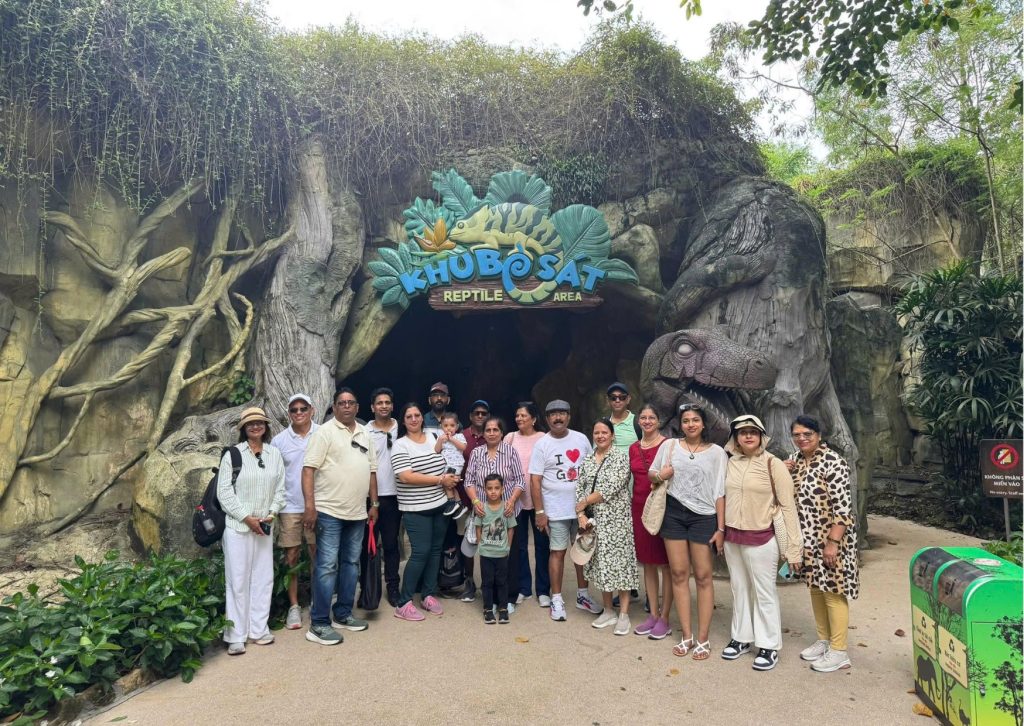
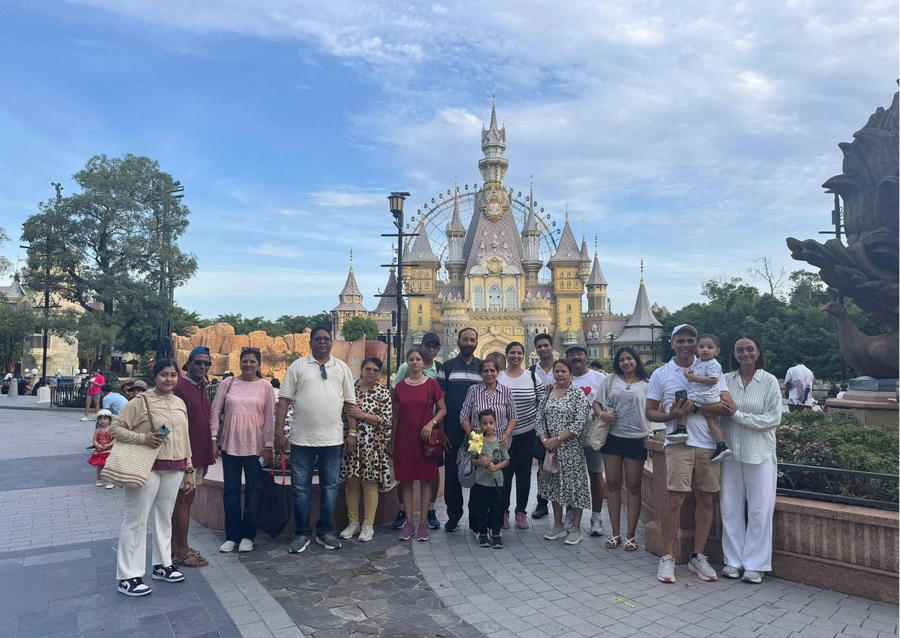
In just the first four months of 2026, more than 324,000 Indian travelers made their way to Vietnam, a 35% jump compared to the same period last year. For the full year of 2025, India ranked as Vietnam’s sixth-largest source market with nearly 746,000 visitors, surpassing the United Kingdom, Australia, and most of Europe.
For years, Indian outbound travelers defaulted to the same shortlist: Thailand, Singapore, Bali, and Dubai. Vietnam sat politely on the sidelines. That era is over.
So what changed? And what does the Indian traveler actually want when they land in Hanoi, Da Nang, or Phu Quoc? As a Vietnam DMC that has worked with Indian travel agencies and MICE groups for years, here is what the data is telling us.
1. Vietnam Feels “Both Strange and Familiar”
Rahul Bali, the Bollywood producer behind “Love in Vietnam” and “SILLA” shared his thoughts of Vietnam: “This is a destination where you can tell many different stories.” That combination of novelty and comfort is a powerful draw for Indian travelers. Vietnam has Buddhist temples, incense-filled pagodas, a strong family values culture, warm and respectful hospitality, and a social fabric built around food and community. All of which resonate deeply with visitors from India. At the same time, the limestone karst of Ha Lobg Bay, the lantern-lit streets of Hoi An, and the French colonial architecture of Hanoi offer a visual world that feels genuinely new.
For a traveler who has already ticked Thailand and Bali off the list, Vietnam delivers the “international experience” without the cultural friction that makes some destinations feel exhausting.
2. Diverse Food Options, including Vegetarian and Jain Menus
Food is the single biggest barrier Indian travelers historically cited when considering Southeast Asia. A vegetarian family in Vietnam ten years ago would have struggled. Today, the landscape is radically different.
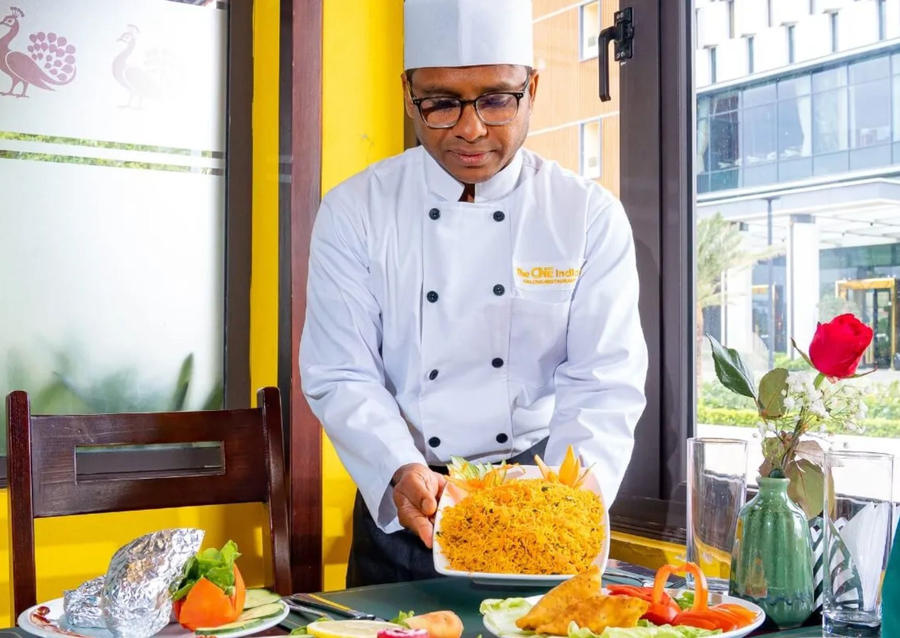
Vietnamese cuisine’s emphasis on fresh herbs, light broths, rice noodles, and vegetables is naturally comparable with many Indian dietary preferences. Megacities such as Hanoi, Ho Chi Minh City, Da Nang, and Hoi An now have dedicated Indian restaurants and pure vegetarian options. Hotels catering to Indian groups increasingly offer parallel meal tracks: vegetarian, Jain (no onion, garlic, or root vegetables); halal; and non-vegetarian served simultaneously at the same venue.
Notable Indian-friendly restaurants now operating across Vietnam include Gujarat Indian Restaurant in Da Nang (100% pure veg), Tandoor in Hanoi, Baba’s Kitchen in Ho Chi Minh City, and Rasoi and Maazi in Hoi An. For groups traveling to remote destinations like Halong Bay cruises or Ninh Binh, pre-coordinated packed vegetarian meals are now standard practice among professional DMCs.
3. Friendly Locals and a Culture that Feels Familiar
Vietnam’s prices remain 10–15% lower than comparable regional competitors. A five-star resort experience in Da Nang or Phu Quoc costs a fraction of equivalent properties in the Maldives, Bali, or Thailand’s Phuket.
For middle-class Indian families who are increasingly comfortable with international travel but remain value-conscious, this is decisive. A 7-night family holiday in Vietnam, including flights, four-star accommodation, daily breakfast, guided tours to Ha Long Bay, and a day trip to Hoi An sits at a price that delivers premium experiences without premium stress.
That affordability also applies to daily spending: street food, local transport, shopping, and spa services all represent strong value compared to what Indian tourists are accustomed to paying back home or in Singapore.
4. Stunning Landscapes from Ha Long Bay to Phu Quoc
Vietnam, the S-shaped country, offers geographic diversity, which is one of its strongest competitive advantages.
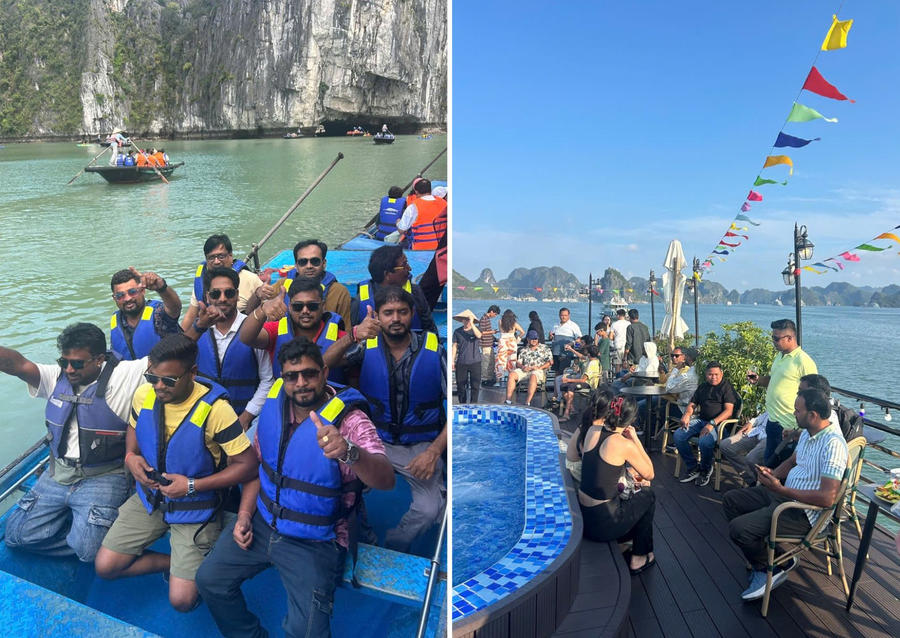
Ha Long Bay remains the crown jewel as a UNESCO World Heritage Site with over 1,600 limestone islands rising from emerald waters. Indian honeymooners and families consistently rank it among the most visually stunning places they have ever visited. The cinematic quality of the landscape has prompted multiple Bollywood productions to film here, creating a halo effect in the Indian market.
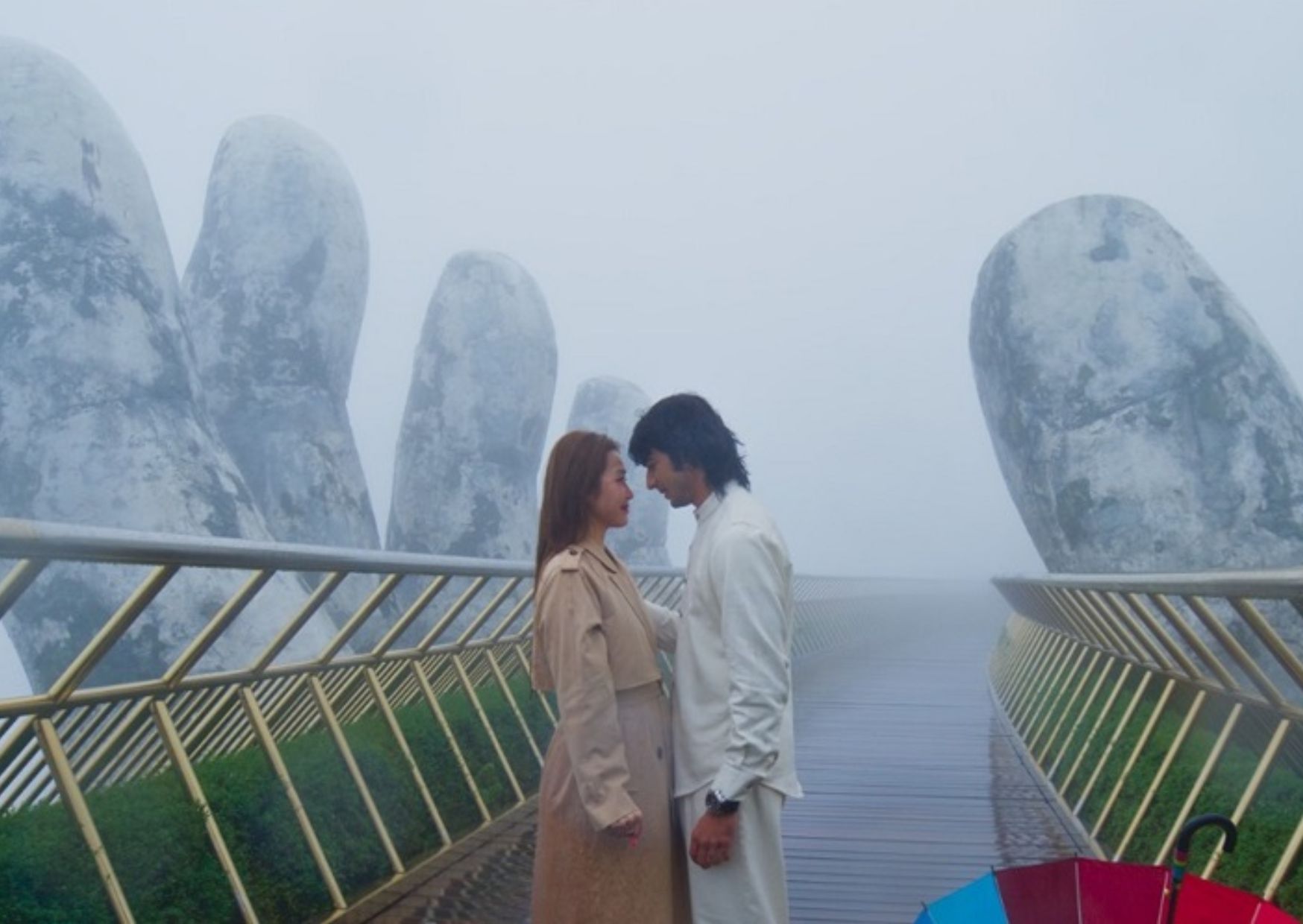
Da Nang and Hoi An offer the beach-plus-culture combination that Indian travelers love: modern resorts on My Khe Beach, the engineering spectacle of the Golden Bridge at Ba Na Hills (held aloft by giant stone hands), and the romantic, lantern-lit old town of Hoi An, all within an hour of each other.
Phu Quoc, Vietnam’s tropical island in the Gulf of Thailand, has become the preferred honeymoon destination for Indian couples seeking a beach escape that rivals the Maldives at a fraction of the price, now with direct flights from several Indian cities.
Hanoi and Ho Chi Minh City anchor the cultural and urban poles. The former with its French colonial streets, Hoan Kiem Lake, and ancient temples; the latter with its energy, rooftop bars, and proximity to the Mekong Delta.
Most Indian groups use multi-destination itineraries, typically Hanoi, Ha Long Bay, and Ninh Binh in the north or Da Nang, Hoi An, and Hue in the center, with average stays running five to seven days.
5. Easy Visa and Direct Flights from Major Indian Cities
Vietnam introduced an e-visa system that allows Indian passport holders to apply online without visiting a consulate. The process is straightforward and significantly removed one of the key friction points for Indian outbound travel planning.
Direct flight connectivity has expanded sharply. IndiGo, Air India, and Vietnamese carriers now operate routes connecting Delhi, Mumbai, Bangalore, Kolkata, and Kochi to Hanoi, Ho Chi Minh City, and Da Nang. Flight time is approximately four to five hours shorter than many Indians’ domestic flights to the Andaman or Kashmir.
Experts point to the next growth opportunity: launching direct services to smaller Indian cities like Hyderabad, Ahmedabad, and Pune, which would significantly expand the addressable market beyond India’s metro tier.
6. Perfect for MICE Groups and Corporate Incentive Trips
Here is the number that gets the attention of Vietnam’s hospitality industry: MICE travelers from India spend two to three times more than regular leisure tourists.
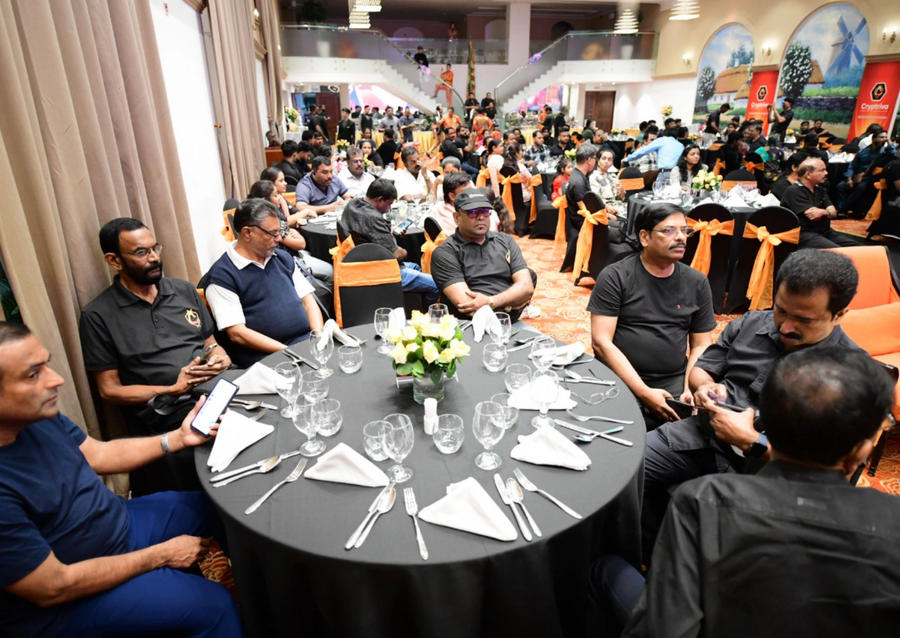
Indian corporate groups have discovered Vietnam’s world-class convention infrastructure. The Ariyana Convention Centre in Da Nang handles up to 2,500 pax. The GEM Center in Ho Chi Minh City accommodates 4,000. The National Convention Centre in Hanoi seats 3,500.
Most Indian MICE groups arrive in large cohorts, combining conference sessions with leisure tours, gala dinners, and team-building activities. The Indian MICE calendar peaks between April and July, aligning with the school holiday season when senior employees travel with families after corporate events.
For Vietnamese DMCs and hotels, the Indian MICE segment represents the most commercially valuable slice of the Indian market and the one with the most room for growth.
7. Bollywood Has Been Filming Here and Indians Are Following
When a Bollywood film is shot in Vietnam, it generates tourism interest that no paid advertising campaign can match.
Producer Rahul Bali’s two Vietnam-based productions, which are “Love in Vietnam” and “SILLA” have introduced millions of Indian viewers to Vietnam’s landscapes through one of the most emotionally resonant formats possible: romantic cinema. Ha Long Bay, the Old Quarter of Hanoi, and the countryside of Ninh Binh have all appeared in Indian entertainment content in recent years.
This is not a coincidence. Vietnam’s government and tourism bodies have actively courted Bollywood and regional Indian film industries, recognizing that a single major production can do more for destination awareness than years of traditional marketing spend.
The result is a generation of Indian travelers who arrive in Vietnam with specific visual references already in mind, like the bay they saw in the film or the street they want to find.
8. The Indian traveler’s spending profile: What does the data show?
Not all tourists are equal, and Vietnam’s hospitality industry knows it. Indian travelers to Vietnam skew toward the premium segment:
- Accommodation: Most Indian tourists prefer four- and five-star hotels
- Average stay: Five to seven days, with multi-destination itineraries
- Group composition: Primarily large family groups, corporate MICE, and an increasing segment of couples and honeymooners
- Spending behavior: Consistent appetite for guided experiences, premium dining, organized excursions, and luxury resort stays
- Peak season: April to July, driven by Indian school calendars
India’s middle class is increasingly comfortable with international travel and actively seeking destinations beyond their traditional short list. Vietnam now has been positioned as “premium yet affordable” among this traveler segment, capturing exactly that demographic at exactly the right moment.
What does this mean if you’re planning an Indian-Vietnamese group?
The boom in Indian arrivals is real, and the destination is ready, but the execution is the most important thing. The questions Indian travel agencies and group leaders consistently raise are operational: Can the DMC really handle pure vegetarian and Jain meals for 80 people across six cities? Will the Hindi-speaking guide actually show up? Does the convention center have a kosher-compatible kitchen for the gala dinner?
At Viet Dan Travel, these are the questions we have built our operation around. We work exclusively with the Indian market, manage group dietary requirements across every meal of every itinerary, coordinate Hindi-speaking guides for premium programs, and deliver end-to-end ground operations under your agency’s brand.
Vietnam is ready for Indian travelers. The question is whether your DMC partner is. Ready to plan your India-Vietnam program? Contact Viet Dan Travel for group proposals, MICE planning, and net-rate packages tailored for Indian travel agencies.