
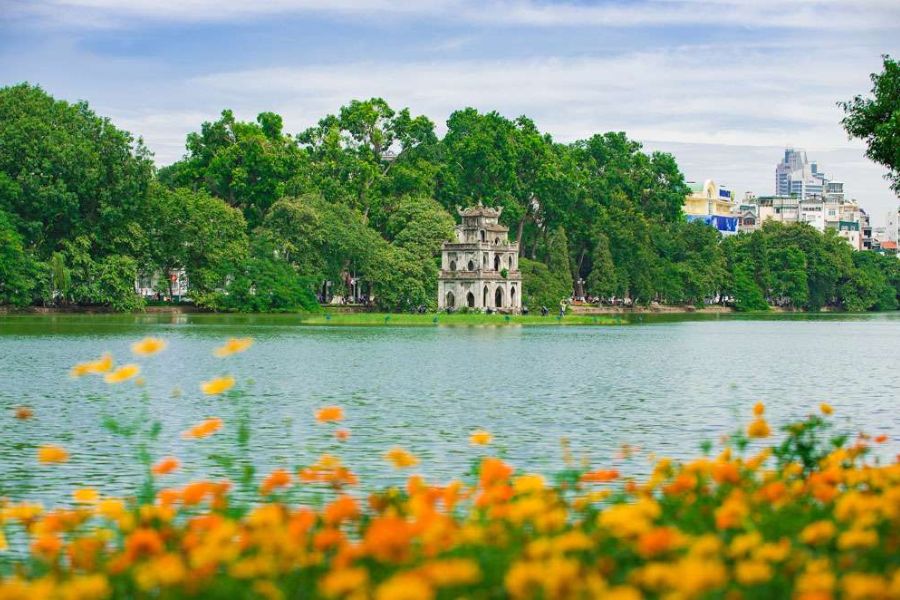
Hanoi does not have one “perfect” season so much as four very different cities wearing the same skin. Ask a photographer, a food tour operator, and a MICE planner what the best time to visit Hanoi Vietnam is, and you will get three different answers, each correct for its own purpose. In this guide, Viet Dan Travel provide throughout insight of Hanoi’s climate month by month and adds the operational layer that most travel content skips: what each season actually means for booking a multi-stop Vietnam itinerary, not just for sightseeing on your own.
1. Quick Overview: Best Time to Visit Hanoi Vietnam by Season
| Season | Months | Temperature | Rainfall | Best For |
| Spring | March – April | 18–28°C (64–82°F) | Moderate, with misty “mưa phùn” drizzle | Blossoms, walking tours, mild sightseeing |
| Summer | May – August | 30–38°C (86–100°F) | Heavy, sudden downpours | Street food culture, indoor museums, budget travel |
| Autumn | September – November | 18–28°C (64–82°F) | Low | Overall best weather; Old Quarter walks, photography |
| Winter | December – February | 10–20°C (50–68°F) | Low, but damp and misty | Café culture, Tet festivities, lower hotel rates |
Note: Autumn and spring bracket the dry season and consistently rank as the best time to visit Vietnam and Hanoi together, since both offer stable weather across the wider northern Vietnam region, not just within city limits.
2. Spring in Hanoi (March – April)
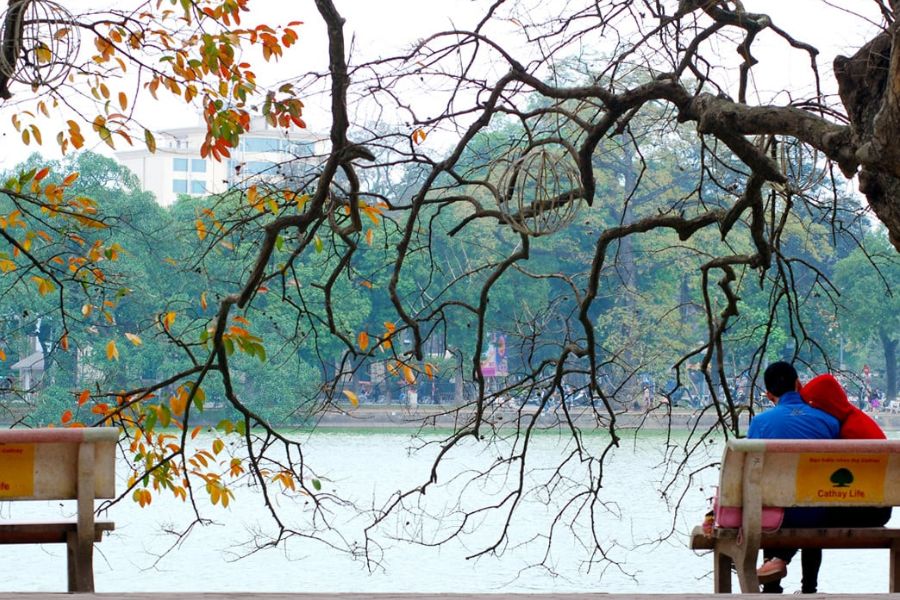
Spring arrives with peach blossoms, red silk-cotton trees around the Ba Dinh area, and a light, misty drizzle locals call “mưa phùn”. Temperatures sit in a comfortable 18–28°C range, though March can feel damp for days at a stretch.
Best activities: Stroll the blossom-lined paths around Hoan Kiem Lake, catch a traditional water puppet show, and browse the Old Quarter’s flower markets. Late February to April is also the Perfume Pagoda pilgrimage season, drawing both religious visitors and cultural travelers into the hills southwest of the city, and a strong window for a half-day excursion tacked onto a Hanoi city itinerary.
Tips: Pack light layers you can add or remove through the day, plus a compact umbrella rather than a heavy raincoat, since spring showers are usually brief. If your dates land in late January or February, note that Tet (Lunar New Year) festivities may bring closures at restaurants and smaller attractions.
3. Summer in Hanoi (May – August)
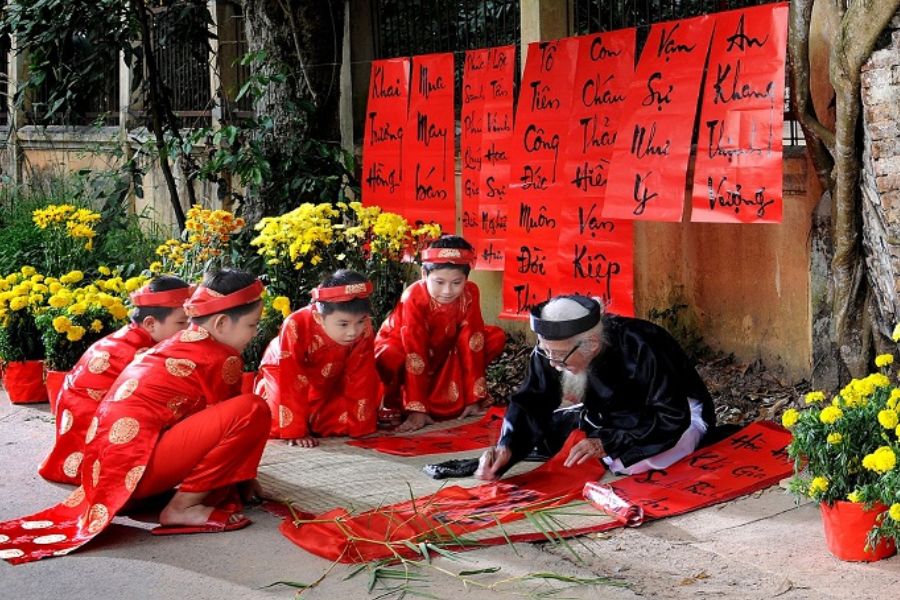
Summer is Hanoi at its most intense: 30–38°C days, humidity that makes everything feel hotter than the thermometer suggests, and sudden but short monsoon downpours, heaviest in July and August. It is also the cheapest and least crowded season, which makes it appealing for budget-conscious travelers and for agents building value itineraries.
Best activities: Lean into indoor and shaded options at midday: the Vietnam Museum of Ethnology, the Vietnam National Museum of History, or the Ho Chi Minh Museum all make for a cool, culturally rich few hours. Evenings are ideal for a West Lake walk or a street food crawl through the Old Quarter once the heat breaks.
Tips: Schedule outdoor sightseeing for early morning or after 4pm, carry a refillable water bottle, and dress in breathable cotton or linen. A compact umbrella doubles as sun protection and rain cover, since downpours tend to be sudden but pass quickly.
4. Autumn in Hanoi (September – November)
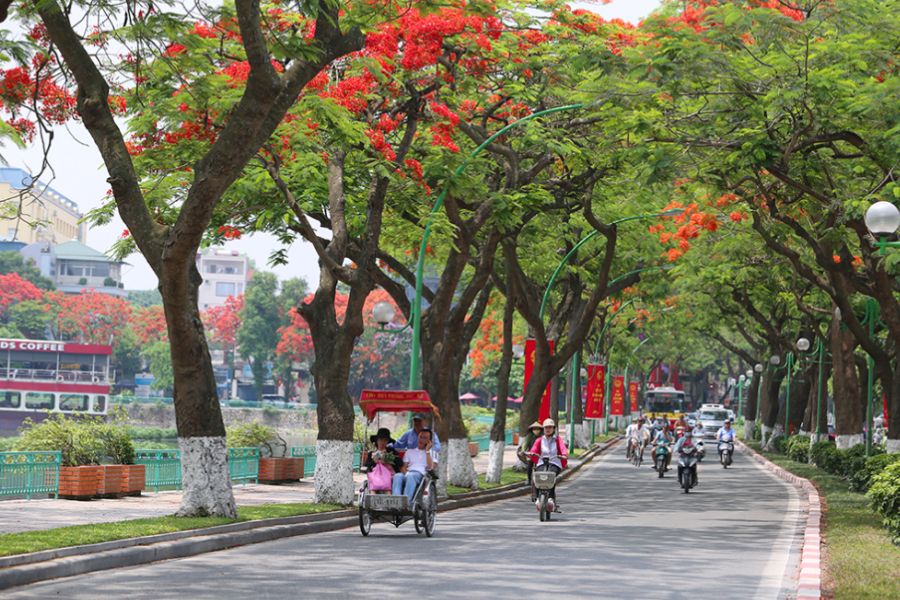
This is the season Hanoians themselves look forward to all year, and it consistently tops “best time” rankings for good reason. Cool, dry air replaces summer humidity, skies clear, and the fragrance of hoa sữa (milk flowers) drifts through the Old Quarter in the evenings. Temperatures hold steady between 18–28°C.
Best activities: This is the strongest window for walking tours around Hoan Kiem Lake and the Temple of Literature, a cyclo ride through the French Quarter, and lingering West Lake sunsets. The Mid-Autumn Festival, usually in September or October, fills the streets with lanterns and lion dances, and is well worth building an itinerary around if dates allow.
Tips: Pack light layers for warm afternoons and cooler evenings. Because this is also peak season for both weather and demand, book popular sights and any Ha Long Bay add-on well ahead, especially around the Mid-Autumn Festival weekend.
5. Winter in Hanoi (December – February)
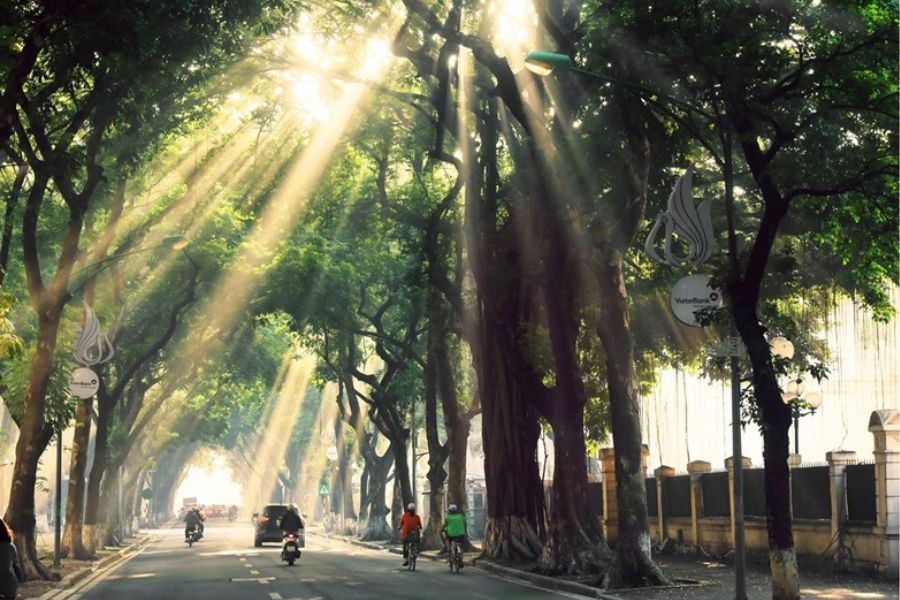
Winter brings genuinely cold, damp weather by Southeast Asian standards, with lows around 10°C and a persistent overcast chill, especially in January. It is also peak season: this window overlaps with Tet, Christmas, and New Year holidays, when domestic travel spikes alongside international arrivals.
Best activities: Winter is prime pho and egg coffee season, best enjoyed at a window-side Old Quarter café watching the city move through the mist. Museums and galleries offer a warm escape between sights, and if travel falls around Tet, the flower markets and decorations along Hang Ma Street are worth seeing even if some shops close for the holiday itself.
Tips: Pack real layers, sweaters and a jacket, not just a light cardigan; winter mornings and evenings are colder than most first-time visitors expect. Many restaurants, shops, and attractions close for several days around Tet, which typically falls in late January or early February, so confirm opening hours before finalizing a winter itinerary.
Read more:
- Best Time to Visit Da Nang Vietnam: A Month-by-Month Guide for Every Traveler
- Best Time to Visit Ho Chi Minh City, Vietnam: Complete Seasonal Guide
- Best Time to Visit Nha Trang Vietnam: A Complete Seasonal Guide for Tour Operators
6. A DMC’s Perspective: When to Actually Book a Hanoi-Centered Itinerary
Most guides stop at “spring and autumn are best.” What they don’t cover is what that means once Hanoi is combined with Ha Long Bay and Sapa, the two destinations it is routed with in nearly every multi-day Vietnam itinerary.
October carries hidden risk. It is the single highest month for typhoon activity along the central and northern coast, which directly affects Ha Long Bay cruise operations. A Ha Long Bay to Sapa routing that runs smoothly in April can require last-minute rerouting in October if a storm system moves through. Experienced ground operators build buffer days or flexible cruise dates into itineraries scheduled for this month.
April is the most dependable cross-region month. For groups and MICE travelers who need predictable weather across multiple destinations simultaneously, we consistently point clients toward April or, alternatively, November and early December. In April, Hanoi is warm and clear, Ha Long Bay sits between typhoon seasons, and Sapa’s rice terraces are turning green ahead of the golden harvest look that peaks in September.
Late November through early March is the combined peak. This window stacks the dry season in southern Vietnam against Tet-driven domestic travel and winter arrivals from colder source markets. Hotel allotments in the Old Quarter and cruise cabins on Ha Long Bay tighten fastest during this stretch, so agents building groups for late December or Tet week should confirm allotments significantly earlier than for shoulder-season dates.
7. Best Time to Visit Hanoi Vietnam by Travel Purpose
| Purpose | Recommended Window | Why |
| First-time sightseeing | September – November | Most stable weather, clearest skies, Old Quarter at its best |
| Photography & spring blossoms | March – early April | Peach and silk-cotton blossoms, misty light |
| Budget travel | June – August | Lowest hotel rates, fewer tourists, off-peak flight pricing |
| Ha Long Bay combo cruise | Late September – early December | Lower typhoon risk after October, clearer visibility |
| MICE & incentive groups | April, November, or early December | Predictable weather across a multi-destination itinerary |
| Cultural & festival travel | Late January – February (Tet), September (Mid-Autumn) | Immersive local celebrations, though expect closures around Tet |
8. Frequently Asked Questions
What is the single best month to visit Hanoi Vietnam?
October and November are the most frequently recommended, thanks to cool, dry, sunny weather, though early November avoids the tail end of typhoon season better than October.
Is Hanoi too hot to visit in summer?
Summer (May–August) is hot and humid with temperatures regularly above 30°C, but it remains workable for travelers who plan outdoor activities for morning or evening and use midday for museums, markets, and indoor dining.
When should travel agents book group tours to Hanoi for best availability?
For the late November through Tet period, confirming hotel and cruise allotments at least two to three months ahead is advisable, since this window combines peak international arrivals with domestic Tet travel demand.
Does the best time to visit Hanoi match the best time to visit the rest of Vietnam?
Not always. Hanoi and northern Vietnam favor autumn and spring, while central Vietnam’s dry season runs roughly February to August and southern Vietnam stays warm year-round with a November–April dry season, so multi-region itineraries need season-aware routing rather than a single “best month” applied nationwide.
Planning a Hanoi itinerary for clients or a group? Viet Dan Travel is a Hanoi and Ho Chi Minh City-based ground operator that builds season-optimized, multi-destination itineraries across Vietnam for international travel agents and tour operators.